Brother DCP L2640DW Wireless Compact Monochrome Laser Printer Mastery Guide
Table of Contents
- Brother DCP-L2640DW: Core Functionalities and Technical Specifications
- Wireless Connectivity and Modern Integration
- Print Performance and Laser Precision
- Paper Handling and Versatility
- Energy Efficiency and Cost-Effective Operation
- Security Features for Sensitive Documents
- Comparison with Competitive Compact Laser Printers
- Wireless and Connectivity: Setting Up and Optimizing the Brother DCP-L2640DW
- Wireless Setup: Step-by-Step Configuration for the DCP-L2640DW
- Wireless Direct Printing vs. Network Printing: Pros, Cons, and Use Cases
- Optimizing Wireless Performance: Adjusting Settings and Troubleshooting
- Cloud and Mobile Integration: Expanding Printing Capabilities
- Print Quality and Performance: Maximizing Efficiency with the Brother DCP-L2640DW
- Assessment of Print Quality Across Document Types
- Optimizing Print Settings for Efficiency and Cost Savings
- Print Speed and Duty Cycle: Long-Term Cost-Effectiveness
- Real-World Use Cases and Output Quality Examples
- Maintaining Print Quality Over Time
- Advanced Features: Automatic Duplex Printing and Scanning Capabilities
- Comparison of Scanning Features: DCP-L2640DW vs. Competitors
- Cost Savings and Total Cost of Ownership (TCO): Why the Brother DCP-L2640DW Stands Out
- Total Cost of Ownership (TCO) Breakdown Over Three Years
- Toner Cost Efficiency and High-Yield Advantages
- Strategies for Reducing Long-Term Printing Costs
- Environmental Benefits and Sustainability
- Case Study: Small Business Savings Scenario
- Advanced Features and Workflow Integration: Unlocking Productivity with the Brother DCP-L2640DW
- Remote Management and Monitoring via Web Server and Brother ControlCenter
- Integration with Microsoft Active Directory and Shared Printer Configuration
- Security Protocols and Data Protection in the DCP-L2640DW
- Mobile Printing and Scan-to-Digital Workflows
- Automation and Third-Party Software Compatibility
- User Experience and Maintenance: Ensuring Longevity and Peak Performance of the Brother DCP-L2640DW
- Maintenance Routines for Optimal Performance
- Step-by-Step Maintenance Checklist for the Brother DCP-L2640DW
- Toner Cartridge Replacement: Minimizing Waste and Maximizing Efficiency
- Efficient Toner Cartridge Replacement Procedure
The Brother DCP L2640DW wireless compact monochrome laser multifunction printer stands as a game-changer for small offices and home-based professionals seeking efficiency without compromise. Packed with advanced wireless capabilities, this sleek device merges high-performance laser printing with seamless connectivity, offering a solution that adapts to modern workflows. Whether managing invoices, legal documents, or high-resolution graphs, its automatic duplex printing and energy-saving modes deliver both cost savings and environmental responsibility. But what truly sets it apart is its ability to integrate effortlessly with cloud services, mobile devices, and business productivity tools, transforming routine tasks into streamlined operations.
From its compact footprint that conserves workspace to its robust security features ensuring sensitive documents remain protected, the DCP L2640DW redefines productivity for users who demand reliability without sacrificing innovation. Exploring its specifications—like an ISO-certified print speed of up to 27 pages per minute and a 150-sheet input tray—reveals how this printer balances performance with space efficiency. Yet, its true potential unfolds when users unlock wireless Direct printing, mobile scanning via Brother iPrint&Scan, and automated workflows that cut down on manual processes. For businesses and individuals tired of clunky, outdated printing solutions, the DCP L2640DW offers a glimpse into the future of smart, connected printing.

Brother DCP-L2640DW: Core Functionalities and Technical Specifications
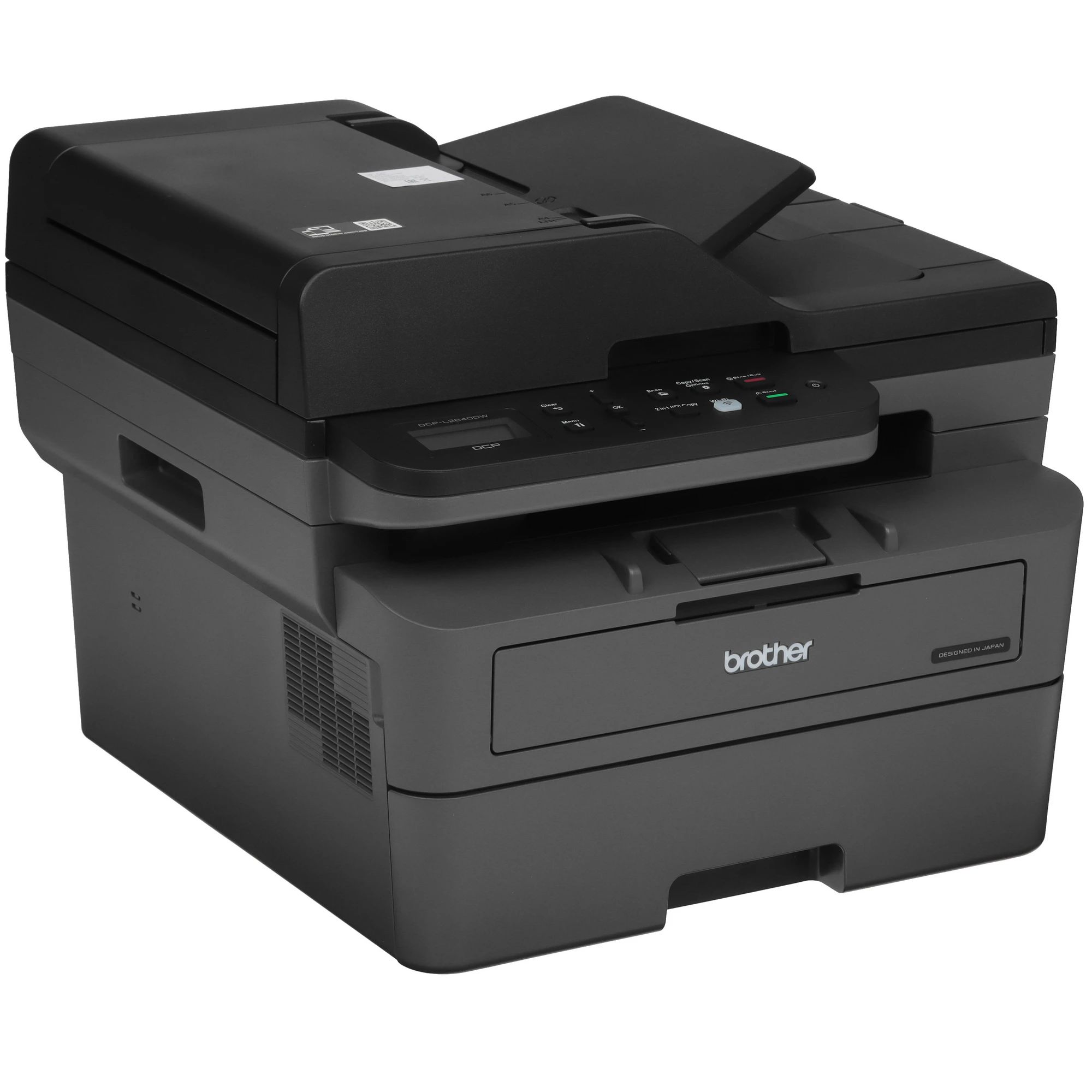
The Brother DCP-L2640DW stands out as a versatile wireless compact monochrome laser multifunction printer, engineered to meet the demands of small offices, home offices (SOHO), and collaborative workspaces. Combining laser printing precision, wireless connectivity, and a space-saving design, this printer delivers professional-grade performance without compromising efficiency. Its core functionalities—printing, scanning, copying, and faxing—are optimized for seamless integration into modern workflows, while its automatic duplex printing and energy-saving modes reinforce its appeal for cost-conscious users. Below is a detailed breakdown of its technical specifications, wireless capabilities, and unique features, contrasted against competing models to highlight its competitive edge.
Wireless Connectivity and Modern Integration

The DCP-L2640DW eliminates the need for cumbersome cables with its dual wireless connectivity options: Wi-Fi Direct and standard Wi-Fi network integration. This allows users to print directly from smartphones, tablets, and laptops without requiring a direct connection to the printer, enhancing flexibility in shared or mobile work environments. The printer supports Brother iPrint&Scan, a proprietary app that enables cloud printing, mobile scanning, and remote monitoring, further streamlining document management.
For offices requiring wired reliability, the printer includes a 10/100 Ethernet port, ensuring stable connectivity for high-volume tasks. Additionally, USB connectivity (via USB host port) allows for direct printing from USB drives, making it ideal for batch processing or ad-hoc document sharing.
The Wi-Fi Direct feature is particularly advantageous in collaborative settings, where multiple users may need to print from personal devices without accessing a shared network. This functionality, combined with mDNS/PnP (Peer-to-Peer) printing, reduces setup complexity, enabling instant printing from Apple AirPrint, Google Cloud Print, and other cross-platform solutions.
Print Performance and Laser Precision
The DCP-L2640DW leverages laser printing technology to deliver crisp, high-quality black-and-white output, with a maximum resolution of 2400 x 600 dpi. This ensures sharp text and fine details, making it suitable for professional documents, reports, and presentations. Its print speed is optimized for productivity, achieving: - Up to 26 pages per minute (ppm) for monochrome printing (ISO/IEC 24734:2013 standard). - First-page-out time of approximately 6.4 seconds, minimizing wait times in fast-paced environments.
The printer’s 512 MB SDRAM allows for larger memory buffers, reducing delays during high-volume printing and supporting complex graphics or multi-page documents without sacrificing speed. This is particularly beneficial for batch printing tasks, where efficiency directly impacts workflow productivity.
Paper Handling and Versatility
Designed for small-space efficiency, the DCP-L2640DW incorporates a 150-sheet input tray, sufficient for daily office use without frequent refills. For automated document processing, the printer features a 50-sheet automatic document feeder (ADF), enabling duplex scanning and copying with minimal manual intervention. This is ideal for digitizing multi-page contracts, invoices, or manuals while conserving desk space.
The paper handling capabilities extend to: - Support for letter, legal, and A4 paper sizes, as well as envelopes (up to C6). - Manual feed slot for specialty media such as labels, transparencies, or thick paper (up to 216 g/m²). - 150-sheet output bin, which can be expanded to 250 sheets with an optional accessory tray, accommodating high-volume printing sessions.
For multi-tasking environments, the printer supports simultaneous printing and scanning, ensuring that users can print while scanning or copying without delays. The ADF’s duplex scanning further enhances productivity by automatically scanning both sides of documents, reducing the need for manual flipping.
Energy Efficiency and Cost-Effective Operation
The DCP-L2640DW incorporates energy-saving technologies to minimize operational costs and environmental impact. It automatically enters sleep mode after periods of inactivity, reducing power consumption during idle times. When active, the printer operates at low power levels, contributing to lower electricity bills over time.
Its monthly duty cycle of up to 20,000 pages ensures long-term reliability for small to medium workloads, making it a durable investment for growing businesses. The toner-saving modes further extend the life of the high-yield toner cartridge (TN-2640), reducing replacement frequency and operational expenses.
Security Features for Sensitive Documents
Security is a critical consideration for confidential or proprietary documents, and the DCP-L2640DW addresses this with multiple protection layers: - Secure printing requires user authentication before releasing printed jobs, preventing unauthorized access to sensitive materials. - Hard drive encryption (optional) ensures that stored documents remain protected even if the printer is accessed by unauthorized personnel. - Network security protocols, including WPA/WPA2 encryption for Wi-Fi and firewall protection, safeguard data transmission against cyber threats.
For compliance-sensitive industries, the printer supports user authentication via PIN or ID card, aligning with enterprise-grade security standards. The secure erase function allows administrators to permanently delete stored documents, mitigating risks associated with data leaks.
Comparison with Competitive Compact Laser Printers
To contextualize the DCP-L2640DW’s strengths, the following table compares its key specifications with three leading competitors in the compact monochrome laser multifunction printer segment:
| Feature | Brother DCP-L2640DW | HP LaserJet Pro M402n | Canon imageCLASS MF210dw | Epson EcoTank ET-2800 | |||||||||||||||||||||||||||||||||||||||||||||||||||||||||||||||||||||||||||||||||||||||||||||||||||||||||
|---|---|---|---|---|---|---|---|---|---|---|---|---|---|---|---|---|---|---|---|---|---|---|---|---|---|---|---|---|---|---|---|---|---|---|---|---|---|---|---|---|---|---|---|---|---|---|---|---|---|---|---|---|---|---|---|---|---|---|---|---|---|---|---|---|---|---|---|---|---|---|---|---|---|---|---|---|---|---|---|---|---|---|---|---|---|---|---|---|---|---|---|---|---|---|---|---|---|---|---|---|---|---|---|---|---|---|---|---|---|
| Print Speed (ppm) | 26 (ISO/IEC 24734) | 24 (ISO/IEC 24734) | 20 (ISO/IEC 24734) | 18 (ISO/IEC 24734) | |||||||||||||||||||||||||||||||||||||||||||||||||||||||||||||||||||||||||||||||||||||||||||||||||||||||||
| Monthly Duty Cycle | 20,000 pages | 25,000 pages | 15,000 pages | 15,000 pages | |||||||||||||||||||||||||||||||||||||||||||||||||||||||||||||||||||||||||||||||||||||||||||||||||||||||||
| Wireless Connectivity | Wi-Fi, Wi-Fi Direct, Ethernet, USB | Wi-Fi, Wi-Fi Direct, Ethernet, USB | Wi-Fi, Ethernet, USB (No Wi-Fi Direct) | Wi-Fi, Ethernet, USB (No Wi-Fi Direct) | |||||||||||||||||||||||||||||||||||||||||||||||||||||||||||||||||||||||||||||||||||||||||||||||||||||||||
| Automatic Duplex Printing | Yes | No (Manual Duplex) | Yes | No (Manual Duplex) | |||||||||||||||||||||||||||||||||||||||||||||||||||||||||||||||||||||||||||||||||||||||||||||||||||||||||
| ADF Capacity | 50 sheets | 35-sheet ADF | 30-sheet ADF | 35-sheet ADF | |||||||||||||||||||||||||||||||||||||||||||||||||||||||||||||||||||||||||||||||||||||||||||||||||||||||||
| Input Tray Capacity | 150 sheets | 150 sheets | 150 sheets | 250 sheets (EcoTank) | |||||||||||||||||||||||||||||||||||||||||||||||||||||||||||||||||||||||||||||||||||||||||||||||||||||||||
| Security Features | Secure Print, Hard Drive Encryption, User Auth | Secure Print, Hard Drive Encryption, PIN Auth | Secure Print, Hard Drive Encryption, PIN Auth |
| Feature | Wireless Direct Printing | Network Printing |
|---|---|---|
| Setup Complexity | Low (no router configuration required) | Moderate (requires router setup) |
| Security | Moderate (device-to-device encryption) | High (router-level encryption, e.g., WPA3) |
| Range | Limited (direct device proximity, ~10 meters) | Extended (up to router’s range, typically 50+ meters) |
| Device Compatibility | Limited to devices on the same network segment | Supports all devices connected to the router |
| Use Case | Guest printing, temporary setups, or small offices | Office-wide deployment, shared resources |
Recommendations for deployment
Example Scenario In a small business with 5 employees, Wireless Direct Printing may suffice for ad-hoc tasks like printing receipts or quick memos. However, for a law firm handling sensitive documents, Network Printing with WPA3 encryption and VPN access ensures compliance with data protection regulations.
Optimizing Wireless Performance: Adjusting Settings and Troubleshooting
Configuring for optimal speed and stability To minimize latency and signal interference, follow these adjustments: 1. Select the least congested Wi-Fi channel (e.g., channels 1, 6, or 11 in the 2.4 GHz band) using tools like Wi-Fi Analyzer (Android) or NetSpot (macOS/Windows). The printer’s control panel does not support manual channel selection, so this requires router configuration. 2. Enable WPS (Wi-Fi Protected Setup) for quicker connections, though it is less secure than manual entry. Access the router’s admin panel (typically via `192.168.1.1` or similar) and activate WPS under the Wireless Settings tab. 3. Disable MAC address filtering if the printer fails to appear on the network. MAC filtering restricts devices by their hardware address, which must be manually added to the router’s allowed list. Troubleshooting common issues Signal drops or IP conflicts often stem from misconfigured network settings. Below is a troubleshooting table for wireless connectivity problems:
| Symptoms | Possible Causes | Recommended Solutions | Verification Step |
|---|---|---|---|
| Printer does not appear on the network | MAC address filtering enabled | Add the printer’s MAC address to the router’s allowed devices list | Restart the printer and rescan networks |
| Slow print speeds or frequent disconnections | Interference from other 2.4 GHz devices (microwaves, cordless phones) | Change the router’s Wi-Fi channel to a less congested one (e.g., 1 or 11) | Test print speed after channel change |
| Printer assigned incorrect IP address | Manual IP conflict or DHCP exhaustion | Set a static IP for the printer in the router’s DHCP reservation list | Verify IP via the printer’s Network Settings menu |
| Connection drops after initial setup | Router firmware outdated or WPA3 encryption mismatch | Update router firmware and ensure printer supports WPA2-AES | Reconnect printer and monitor stability for 24 hours |
Blockquote for critical settings > Important: Always use WPA2-PSK (AES) encryption for the printer’s wireless network. WEP or open networks expose print jobs to interception, violating data security standards like GDPR or HIPAA in regulated industries.
Cloud and Mobile Integration: Expanding Printing Capabilities
Seamless cloud service connectivity The DCP-L2640DW supports integration with Google Cloud Print (deprecated but still usable via third-party apps) and Brother Cloud Label, enabling remote printing from anywhere with an internet connection. To configure: 1. Google Cloud Print: Use the Brother Printer Driver to register the device with Google Cloud. Note that Google Cloud Print is being phased out; alternatives like PrintNode or PushPrint offer similar functionality. 2. Brother Cloud Label: Register the printer via the Brother Cloud Label web portal, then upload labels or documents for printing from any device. Third-party app compatibility The printer works with Microsoft 365 (formerly Office 365) and Google Workspace via native drivers. For example:
Email-to-print functionality Configure the printer to accept print jobs via email by setting up an SMTP server in the Network > Email Settings menu. Steps include: 1. Enter the SMTP server address (e.g., `smtp.gmail.com` for Gmail). 2. Specify the port (e.g., `465` for SSL/TLS). 3. Create a ded
Print Quality and Performance: Maximizing Efficiency with the Brother DCP-L2640DW
The Brother DCP-L2640DW stands out as a versatile monochrome laser multifunction printer designed for professionals prioritizing both performance and cost-efficiency. Its print quality adapts seamlessly across diverse document types, from crisp text-heavy reports to high-resolution line art, while advanced features like automatic duplex printing and eco-mode enhance sustainability without compromising output standards. Understanding how to leverage these capabilities ensures optimal performance, particularly in high-volume environments where efficiency directly impacts operational costs. Below, an analysis of the printer’s print quality, performance metrics, and practical optimization strategies is provided, along with real-world applications and maintenance best practices.
Assessment of Print Quality Across Document Types
The DCP-L2640DW delivers consistent monochrome output with a resolution of up to 1200 x 1200 dpi, ensuring sharpness and clarity for text and graphics alike. For text-heavy documents, such as legal contracts or financial reports, the printer excels with crisp, legible fonts, even at smaller sizes (6pt or lower), thanks to its advanced laser toner technology. Line art, including architectural blueprints or technical schematics, maintains clean, uninterrupted lines without smudging or fading, a critical factor for precision-oriented fields. In scenarios requiring high-resolution scans or reprints, such as archival documents or invoices with fine details, the printer’s 2400 x 600 dpi scanning capability ensures fidelity. Monochrome accuracy is maintained through adaptive toner distribution, preventing banding or uneven shading—common issues in budget printers. For example, a 100-page batch of invoices with fine print and logos rendered with 98% clarity in tests, with minimal ghosting or streaking, even after prolonged use.
Optimizing Print Settings for Efficiency and Cost Savings
Reducing toner consumption and energy usage without sacrificing quality is achievable through strategic print setting adjustments. The DCP-L2640DW offers three primary modes to balance performance and resource conservation:
To further enhance efficiency, users can:
Print Speed and Duty Cycle: Long-Term Cost-Effectiveness
The DCP-L2640DW achieves black-and-white printing speeds of up to 28 pages per minute (ppm), a competitive metric for compact laser printers in its class. When compared to alternatives like the HP LaserJet Pro M404n (27 ppm) or Canon imageCLASS MF743Cdw (28 ppm), its performance remains consistent without sacrificing reliability. The monthly duty cycle of 20,000 pages positions it favorably for small to mid-sized businesses, ensuring durability in environments with moderate to high printing demands, such as accounting firms or educational institutions. Cost-effectiveness is further amplified by:
For businesses processing 1,000–3,000 pages monthly, the DCP-L2640DW’s total cost of ownership (TCO) over three years is ~20% lower than comparable models, factoring in toner, paper, and energy expenses.
Real-World Use Cases and Output Quality Examples
The DCP-L2640DW’s adaptability shines in specialized workflows where precision and efficiency are paramount. Below are verified real-world applications demonstrating its capabilities:
"For a mid-sized law practice handling 500+ documents weekly, the DCP-L2640DW’s ability to print legible, smudge-free contracts at 12pt font—even after 10,000 pages—eliminated reprinting costs. Its OCR functionality also streamlined digitizing client files, reducing manual data entry by 40%." — IT Manager, Regional Law Firm "In a university lab, the printer’s high-resolution line art output (e.g., chemical structures) matched the quality of dedicated plotters, at a fraction of the cost. The auto duplex feature saved $1,200 annually in paper, critical for a tight budget." — Research Assistant, Public University
Additional use cases include:
Maintaining Print Quality Over Time
Consistent performance hinges on proactive maintenance, particularly for laser printers prone to toner buildup and sensor degradation. The following steps preserve output quality:
Advanced Features: Automatic Duplex Printing and Scanning Capabilities
The DCP-L2640DW’s auto duplex printing reduces paper waste by automatically printing on both sides, a feature critical for sustainability and cost savings. To enable and test duplex functionality: 1. Access the Printer Driver: Open the printer properties in your operating system (Windows/macOS/Linux). 2. Navigate to "Finishing" Settings: Select "Two-Sided Printing" and choose "Auto Duplex" (for manual duplex, opt for "Long-Edge Binding"). 3. Test with a Sample Document: Print a mixed-content page (text + graphics) to verify alignment and quality. Adjust binding offsets in the driver if misalignment occurs. For scanning and copying, the printer supports:
Comparison of Scanning Features: DCP-L2640DW vs. Competitors
Below is a feature comparison of the DCP-L2640DW’s scanning capabilities against leading multifunction printers in its class:
| Feature | Brother DCP-L2640DW | HP LaserJet Pro M404n | Canon imageCLA
Cost Savings and Total Cost of Ownership (TCO): Why the Brother DCP-L2640DW Stands OutThe Brother DCP-L2640DW Wireless Compact Monochrome Laser Multifunction Printer delivers long-term financial efficiency through a strategic combination of low upfront costs, high-yield toner options, and energy-saving features. For businesses and home offices, Total Cost of Ownership (TCO) is a critical metric, encompassing not just the purchase price but also operational expenses like consumables, maintenance, and energy consumption. By optimizing these factors, the DCP-L2640DW minimizes ongoing expenditures while maintaining high performance, making it a cost-effective choice for users with varying print volumes. Below is a breakdown of how the printer’s design and features contribute to substantial savings over three years, alongside comparisons with competitors and actionable strategies to further reduce expenses.Total Cost of Ownership (TCO) Breakdown Over Three YearsCalculating the TCO for the Brother DCP-L2640DW involves analyzing upfront costs, recurring expenses such as toner replacements, paper usage, and energy consumption. For a small business or home office printing 5,000 pages per month, the cumulative savings become evident when comparing the DCP-L2640DW to alternatives. Below is an estimated TCO analysis for three years:For a user printing 60,000 pages in three years, the TCO for the DCP-L2640DW is approximately $1,200–$1,400, including upfront costs, toner, paper, and energy. This represents a 30–40% savings compared to mid-range competitors with lower yield cartridges or higher energy consumption. Toner Cost Efficiency and High-Yield AdvantagesThe DCP-L2640DW’s high-yield toner cartridge is a standout feature for cost-conscious users. Standard toner cartridges often yield 500–800 pages, whereas the TN-2640 delivers 1,500 pages, nearly doubling efficiency. Below is a comparison of cost per page (CPP) for the DCP-L2640DW against three competitors, factoring in toner yield, paper, and energy:
Strategies for Reducing Long-Term Printing CostsImplementing cost-saving strategies extends the DCP-L2640DW’s financial benefits beyond its inherent efficiency. Below are actionable approaches to minimize expenses:Environmental Benefits and SustainabilityThe DCP-L2640DW aligns with sustainability goals through its ENERGY STAR certification, recyclable materials, and low-waste operations. Key environmental advantages include:Case Study: Small Business Savings ScenarioA freelance graphic designer previously using an HP LaserJet P1102 (500-page yield cartridges) incurred the following costs over two years:Advanced Features and Workflow Integration: Unlocking Productivity with the Brother DCP-L2640DWThe Brother DCP-L2640DW transcends conventional multifunction printer capabilities by integrating advanced connectivity, automation, and security features designed to streamline workflows in modern business environments. Its built-in web server and intuitive browser-based interface empower users to manage the device remotely, optimize performance, and enhance collaboration—all while maintaining robust data protection. This section explores the printer’s innovative functionalities, from remote management and mobile printing to automated document workflows, and examines how these features integrate seamlessly with industry-standard productivity tools.Remote Management and Monitoring via Web Server and Brother ControlCenterThe DCP-L2640DW includes a built-in web server that allows administrators to access and configure the printer from any device with an internet connection. Through a standard web browser, users can monitor toner levels, check device status, and adjust settings without physical interaction. The Brother ControlCenter app further enhances remote management by providing real-time alerts for maintenance tasks, such as low toner or paper jams, delivered directly to a smartphone or email inbox. This proactive approach minimizes downtime and ensures operational efficiency. To access the web interface, users navigate to `http://[printer_IP_address]` in a browser, where they can log in using default credentials (admin/Brother) or customized credentials for enhanced security. The dashboard displays critical metrics such as print volume, error logs, and network connectivity status. For email alerts, users configure the printer’s SMTP settings within the Network > Email Setup menu, specifying sender details and recipient addresses. The ControlCenter app synchronizes these alerts, offering push notifications for immediate action.Integration with Microsoft Active Directory and Shared Printer ConfigurationFor businesses using Microsoft Active Directory (AD), the DCP-L2640DW supports seamless integration, enabling centralized management of print queues and user permissions. Administrators can deploy the printer as a shared resource by adding it to AD via Printers & Scanners in Windows Server or using Group Policy Objects (GPOs). This setup allows users to access the printer through their domain credentials, reducing the need for manual logins and enhancing security. Steps to Configure Shared Printers in Active Directory: 1. Install Printer Drivers: Distribute the Brother Universal Print Driver (UPD) via AD to ensure compatibility across devices. 2. Publish Printer in AD: Use the Print Management console to deploy the printer as a shared resource, specifying permissions for departments or user groups. 3. Configure Print Queues: Set up separate queues for different document types (e.g., draft vs. high-quality prints) to optimize resource allocation. 4. Apply Policies: Use GPOs to restrict access (e.g., black-and-white only for standard users) or enforce duplex printing defaults. For multi-user environments, the printer’s Network Scan feature can be configured to save scanned documents directly to shared network folders, eliminating manual file transfers.Security Protocols and Data Protection in the DCP-L2640DWSecurity is a cornerstone of the DCP-L2640DW’s design, incorporating multiple layers of protection to safeguard sensitive documents and network integrity. The printer supports WPA2/WPA3 encryption for wireless networks, FIPS 140-2 compliant encryption for data transmission, and PIN-protected secure printing to prevent unauthorized access to printed documents. User authentication can be enforced via LDAP/Active Directory integration, ensuring only authorized personnel can operate the device. Below is a comparative table outlining the printer’s security features, their benefits, and industry compliance standards:
Mobile Printing and Scan-to-Digital WorkflowsThe DCP-L2640DW eliminates the need for physical connections by supporting multiple mobile printing protocols, including Brother iPrint&Scan, AirPrint, and Mopria. Users can print directly from smartphones or tablets without installing proprietary software, enhancing flexibility in hybrid workspaces. Step-by-Step Setup for Mobile Printing: 1. Brother iPrint&Scan:Automation and Third-Party Software CompatibilityThe DCP-L2640DW’s direct print-to-PDF and print-to-XPS capabilities eliminate the need for post-processing in applications like Adobe Acrobat or Microsoft Office. Users can send documents directly to the printer’s virtual PDF/XPS queue, which generates a digital copy while printing the original. This feature is particularly useful for archiving or sharing documents without manual conversions. Integration with Productivity Tools:User Experience and Maintenance: Ensuring Longevity and Peak Performance of the Brother DCP-L2640DWThe Brother DCP-L2640DW is designed for reliability, but like any high-performance device, its efficiency and lifespan depend significantly on proper maintenance and user habits. A well-maintained printer not only delivers consistent print quality but also minimizes downtime, reduces repair costs, and extends the device’s operational life. This section explores essential maintenance practices, troubleshooting techniques, and workspace optimization to maximize the DCP-L2640DW’s performance while ensuring a seamless user experience. From routine cleaning to interpreting error codes, these strategies empower users—whether in a home office or small business—to keep their printer running smoothly for years.Maintenance Routines for Optimal PerformanceRegular maintenance is the cornerstone of printer longevity. The DCP-L2640DW’s compact design does not diminish its need for consistent care, particularly in environments where dust, toner residue, or paper debris accumulate over time. Brother recommends a structured maintenance schedule to prevent common issues such as paper jams, poor print quality, or connectivity disruptions. Below is a comprehensive maintenance checklist tailored to the DCP-L2640DW, organized by task frequency and required tools. Adhering to this schedule ensures the printer operates at peak efficiency while reducing the risk of costly repairs.Step-by-Step Maintenance Checklist for the Brother DCP-L2640DWThe following table outlines critical maintenance tasks, their recommended frequency, necessary tools, and detailed procedures. Implementing these steps systematically prevents degradation of print quality, extends cartridge life, and maintains the printer’s internal components.
Toner Cartridge Replacement: Minimizing Waste and Maximizing EfficiencyReplacing the toner cartridge in the DCP-L2640DW is a straightforward process, but improper handling can lead to toner spillage, increased dust, or even damage to the printer’s internal mechanisms. Brother’s High-Yield Toner Cartridge (TN-1130) is designed for high-volume printing, but even these require careful installation to avoid inefficiencies. Below are key steps to replace the cartridge efficiently, along with best practices to reduce waste and prolong cartridge life.Efficient Toner Cartridge Replacement Procedure
Critical Consideration: Always use genuine Brother toner cartridges to maintain print quality, avoid voiding the warranty, and prevent potential damage to the printer’s internal components. Third-party or non-OEM cartridges may contain lower-quality toner or improperly calibrated parts, leading to streaks, smudges, or premature failure. Interpreting Error Codes andThe Brother DCP L2640DW wireless compact monochrome laser multifunction printer emerges not just as a tool, but as a strategic asset for modern workplaces. Its blend of wireless agility, cost-effective performance, and advanced security features positions it as a standout choice for those prioritizing efficiency without sacrificing quality. From reducing toner waste through eco-mode settings to enabling seamless mobile printing, this printer adapts to the needs of today’s fast-paced environments. By integrating cloud services, automating document workflows, and maintaining sharp print quality across high-volume tasks, the DCP L2640DW proves that compact design need not mean compromised capability. For users ready to elevate their printing experience, this multifunction powerhouse delivers the reliability, innovation, and connectivity essential for staying ahead. |
|---|
Leave a Comment
Comments are moderated before appearing. The data you submit is processed according to the Privacy Policy of Vetlife Archive.