| Notable Alumni/Faculty |
- Jeffrey Sachs (Economist, UN SDG Advisor).
- Amartya Sen (Nobel Laureate in Economics).
- Ertharin Cousin (Former UN World Food Programme Director).
|
- Madeleine Albright (First U.S. Secretary of State).
- Lawrence Summers (Former U.S. Treasury Secretary).
- Joseph Nye (Pioneer of "Soft Power" theory).
|
- John Kerry (U.S. Secretary of State).
- Samantha Power (UN Ambassador, Pulitzer-winning journalist).Academic Programs and Curriculum Design at SIPA
Columbia University’s School of International and Public Affairs (SIPA) offers a rigorous, multidisciplinary curriculum designed to equip students with the analytical tools, leadership skills, and practical experience needed to address complex global challenges. The school’s academic programs span master’s degrees, doctoral studies, and executive education, each tailored to foster expertise in public policy, international affairs, and sustainable development. SIPA’s curriculum emphasizes real-world application through interdisciplinary coursework, experiential learning, and partnerships with leading institutions, ensuring graduates are prepared to excel in diverse sectors—from government and nonprofits to private enterprise and international organizations.
Degree Programs and Specializations
SIPA provides a comprehensive suite of degree programs structured to meet the evolving demands of global public affairs. The Master of Public Administration (MPA) focuses on domestic and international policy implementation, with concentrations in areas such as economic policy, urban planning, and social policy. The Master of International Affairs (MIA) offers deeper exploration of geopolitical dynamics, regional studies, and global governance, with specializations in human rights, environmental sustainability, and security studies. For advanced research and academia, the PhD in Sustainable Development integrates cross-disciplinary frameworks to address systemic challenges like climate change, inequality, and economic inequality.
The Executive MPA and Executive MIA programs cater to mid-career professionals, combining intensive coursework with leadership development and networking opportunities. SIPA also collaborates with Columbia’s Data Science Institute to offer specialized training in policy analytics, ensuring students can leverage big data for evidence-based decision-making. Additionally, joint degrees—such as the MPA-JD (with Columbia Law School) and MPA-MBA (with Columbia Business School)—allow students to combine legal, business, and policy expertise for roles in hybrid sectors.
Interdisciplinary Approach and Curriculum Structure
SIPA’s curriculum is built on an interdisciplinary foundation, blending economics, law, data science, public health, and environmental studies into core and elective courses. Required foundational courses—such as Economics for Public Policy, Global Governance, and Data Analytics for Policy—provide students with essential theoretical and methodological tools. Electives allow customization, with options like Law and Development, Digital Diplomacy, and Global Health Policy, reflecting SIPA’s commitment to cutting-edge fields.
The capstone project is a hallmark of SIPA’s curriculum, where students apply their learning to real-world challenges through consulting projects, policy memos, or field research. For example, MIA students in the Human Rights specialization may partner with NGOs to design human rights monitoring frameworks, while MPA students in Economic Policy collaborate with governments on fiscal reform strategies. SIPA’s Global Leadership Program further enhances this approach by integrating leadership training with coursework, preparing students for executive roles.
Signature Courses and Collaborative Initiatives
Several courses and initiatives distinguish SIPA’s curriculum from peer institutions. The Case Studies in International Relations course, taught by faculty with UN or World Bank experience, immerses students in real policy dilemmas—such as negotiating trade agreements or managing humanitarian crises. SIPA’s Simulated United Nations (SimUN) program allows students to debate and draft resolutions on pressing global issues, mirroring the work of diplomats and policymakers.
Partnerships with UN agencies, the World Bank, and the International Monetary Fund (IMF) provide unique learning opportunities. For instance, the UN Sustainable Development Solutions Network (SDSN) offers workshops on the Sustainable Development Goals (SDGs), while SIPA’s Earth Institute collaborates on climate policy research. Executive education programs, such as the Leaders in Development (LID) program, bring together policymakers and practitioners to tackle development challenges through interactive seminars and field visits.
> "SIPA’s curriculum doesn’t just teach theory—it forces you to confront the messy reality of policy-making. The capstone project, where I worked with a city government on affordable housing strategies, was transformative. By the time I graduated, I wasn’t just analyzing data; I was designing solutions that could be implemented tomorrow."
> — Alumni Testimonial, MPA Graduate, now Director of Urban Policy at a Municipal Government
Experiential Learning and Professional Development
Experiential learning is central to SIPA’s mission, with internships, fieldwork, and research opportunities embedded in every program. Over 90% of SIPA students complete internships with organizations like the World Bank, USAID, the State Department, and the UN, gaining firsthand exposure to multilateral diplomacy and policy implementation. The SIPA Career Management Center provides tailored support, including resume workshops, mock interviews, and networking events with alumni in senior roles.
Fieldwork opportunities include summer research grants for projects in regions such as Sub-Saharan Africa, Latin America, and Southeast Asia. For example, MIA students in the Environmental Policy specialization may conduct fieldwork with conservation NGOs in Indonesia, analyzing deforestation policies, while MPA students in Economic Development partner with microfinance institutions in Kenya to assess poverty alleviation strategies. SIPA’s Global Field Program offers immersive courses in locations like Beijing, Nairobi, and Buenos Aires, combining classroom learning with on-site visits to government agencies and civil society organizations.
Core Competencies and Industry Alignment
SIPA’s curriculum is designed to align with the skill demands of public affairs, diplomacy, and development sectors, ensuring graduates are competitive in roles requiring analytical rigor, cross-cultural communication, and strategic thinking. Below is a comparison of SIPA’s training methods and their relevance to industry needs, illustrated with graduate success stories:
| Skill Area |
SIPA’s Training Method |
Industry Relevance |
Case Study of Graduate Success |
| Data Analytics and Policy Modeling |
Courses in R, Python, and GIS, combined with applied projects using real datasets (e.g., World Bank indicators, UN SDG metrics). Capstone projects often require students to develop policy simulations. |
Governments and international organizations increasingly rely on data-driven decision-making. Skills in predictive modeling and impact evaluation are critical for roles in economic policy, public health, and climate adaptation. |
A 2021 MPA graduate now leads a data analytics team at the World Bank, where she designs models to assess the economic impact of COVID-19 recovery programs in Southeast Asia. Her SIPA training in Stata and machine learning directly informed her work. |
| Multilingual Communication and Diplomacy |
Language training in Arabic, Chinese, French, Spanish, and Russian, alongside courses in cross-cultural negotiation and diplomatic protocol. Electives like Global Media and Communications prepare students for media engagement in crisis scenarios. |
Multilingual proficiency and cultural competency are non-negotiable in roles at the UN, bilateral aid agencies, and multinational corporations. SIPA’s emphasis on language + policy integration sets graduates apart in global roles. |
An MIA graduate fluent in Arabic and English now serves as a political officer at the U.S. Embassy in Cairo, where her ability to navigate regional dialects and geopolitical narratives has been pivotal in conflict mediation efforts. |
| Policy Writing and Advocacy |
Workshops on policy memo writing, legislative drafting, and stakeholder engagement, alongside real-world assignments such as drafting UN General Assembly resolutions or national policy briefs for governments. |
Clear, persuasive writing is essential for policy advocacy, grant writing, and inter-agency coordination. SIPA’s focus on concise, evidence-based arguments ensures graduates can influence decision-makers. |
A PhD graduate in Sustainable Development now advises the EU Commission on climate policy, where her SIPA-trained ability to synthesize complex data into actionable policy language has accelerated legislative processes. |
| Leadership and Crisis Management |
Simulations like SimUN, disaster response exercises, and leadership retreats, alongside courses in ethics, organizational behavior, and adaptive leadership. The Global Leadership Program includes mentorship from SIPA alumni in C-suite roles. |
Public sector and NGO leaders must manage ambiguity, lead teams under pressure, and navigate ethical dilemmas. SIPA’s crisis simulation training prepares graduates for roles in humanitarian aid, national security, and corporate social responsibility. |
An Executive MPA graduate now heads a global NGO’s emergency response
Faculty Expertise and Research Impact at SIPA: Shaping Global Policy Through Knowledge and Collaboration
Columbia University’s School of International and Public Affairs (SIPA) stands as a global leader in policy-relevant research, driven by a faculty of distinguished scholars, practitioners, and thought leaders. Their work transcends academic boundaries, directly influencing policy debates, international governance, and societal change. SIPA’s research ecosystem—comprising specialized centers, interdisciplinary initiatives, and strategic partnerships—serves as a bridge between rigorous scholarship and real-world impact. Through publications, advisory roles, and collaborative projects, SIPA faculty contribute to shaping solutions for pressing global challenges, from climate policy to conflict resolution and economic inequality.
The school’s research culture is deeply embedded in its mission to educate leaders who understand the complexities of a rapidly evolving world. Faculty expertise spans disciplines such as international relations, public policy, sustainable development, and energy security, often intersecting with regional specializations like Asia, Latin America, and the Middle East. SIPA’s research output is not only published in peer-reviewed journals but also disseminated through policy briefs, reports, and direct engagement with governments, NGOs, and multinational organizations. This dual approach ensures that theoretical insights are translated into actionable strategies for policymakers and practitioners.
Prominent SIPA Faculty and Their Contributions to Global Policy
SIPA’s faculty includes scholars whose work has redefined fields such as energy policy, human rights, and economic governance. Below are five notable faculty members whose research and public engagement have had a measurable impact on global discourse and policy formulation.
SIPA’s research centers and institutes serve as incubators for interdisciplinary collaboration, policy innovation, and public engagement. These entities leverage faculty expertise to address critical global challenges through applied research, convening stakeholders, and producing actionable insights. For instance, the Center on Global Energy Policy (CGEP), led by Jason Bordoff, examines energy markets, climate policy, and geopolitical risks, often informing high-level negotiations such as the UN Climate Change Conferences (COP). Similarly, the Saltzman Institute of War and Peace Studies focuses on conflict resolution, cybersecurity, and post-conflict reconstruction, with faculty like Paul Stares contributing to U.S. national security strategies. The Earth Institute at Columbia, which SIPA collaborates with closely, integrates climate science with policy analysis, producing reports that guide urban planning and disaster resilience efforts worldwide.
These centers frequently host high-profile events, such as the Columbia Energy Forum or the Global Leaders Forum, where policymakers, CEOs, and academics debate pressing issues. Their research is disseminated through policy memos, working papers, and digital platforms, ensuring accessibility for practitioners. For example, CGEP’s Global Energy Policy Report series provides annual assessments of energy trends, while the SIPA Policy Memos series offers concise, evidence-based recommendations on topics ranging from trade policy to humanitarian aid.
SIPA’s research extends beyond traditional academic publishing through partnerships with think tanks, journals, and policy-focused platforms that amplify its reach. These collaborations ensure that SIPA’s insights influence decision-making in governments, international organizations, and the private sector.
A key platform is the Columbia Global Centers, which facilitate research partnerships in regions such as Sao Paulo, Nairobi, Istanbul, and Mumbai. These centers produce localized policy analyses, such as studies on African urbanization or Latin American trade policies, which are shared with regional stakeholders. Additionally, SIPA faculty contribute to influential journals like the Columbia Journal of Sustainable Investment, International Security, and World Politics, where their articles shape scholarly and policy conversations.
SIPA also partners with external think tanks to disseminate research, including:
- The Brookings Institution, where SIPA’s Development Economics Program faculty publish on poverty alleviation and economic growth.
- The Council on Foreign Relations (CFR), which features SIPA scholars in its Foreign Affairs journal and policy briefs on geopolitical strategy.
- The Carnegie Endowment for International Peace, where SIPA’s International Security Program faculty contribute to reports on nuclear proliferation and great-power competition.
These platforms ensure that SIPA’s research reaches policymakers, journalists, and the public, fostering a feedback loop between academia and practice.
Faculty Engagement in Public Policy: Consulting, Advisory Roles, and High-Impact Collaborations
SIPA faculty actively engage with governments, NGOs, and multinational organizations to translate research into policy action. Their roles range from advisory committees to high-level consulting projects, often addressing crises or systemic challenges. For example:
- Jeffrey Sachs, Director of the Earth Institute, has advised the United Nations on the Millennium Development Goals and serves as a special advisor to the Secretary-General on the Sustainable Development Goals (SDGs). His work has directly influenced global poverty reduction strategies.
- Rajiv Shah, former Administrator of the U.S. Agency for International Development (USAID), now leads SIPA’s Global Health and Development Initiative, advising governments on healthcare systems in Sub-Saharan Africa and South Asia.
- Paul Stares, former Director of the Saltzman Institute, has consulted for the U.S. Department of Defense on counterterrorism strategies and briefed NATO on hybrid warfare tactics.
These engagements often result in policy white papers, government reports, or NGO toolkits that are widely adopted. For instance, SIPA’s Center for Sustainable Development worked with the World Bank to develop metrics for measuring sustainable urbanization, which are now used in city planning projects across India, Brazil, and Indonesia.
SIPA’s Research Output (2019–2024): Key Projects, Findings, and Global Reach
The following table highlights selected research projects led by SIPA faculty over the past five years, illustrating their policy impact and global reach. These studies reflect SIPA’s commitment to evidence-based solutions and cross-disciplinary collaboration.
| Project/Study Name |
Lead Faculty |
Key Findings or Policy Recommendations |
Media or Institutional Recognition |
Global Reach |
| Global Energy Policy Report 2023 (Center on Global Energy Policy) |
Jason Bordoff |
Highlighted the accelerating transition to renewable energy in Europe and China while warning of energy security risks in Africa and Southeast Asia due to fossil fuel dependence. Recommended carbon pricing mechanisms and public-private partnerships for energy infrastructure in developing nations.
|
- Featured in The New York Times, Financial Times, and Bloomberg Green.
- Cited in the EU Green Deal strategy documents.
- Presented at COP28 (2023) and the G7 Energy Ministers’ Meeting.
|
Europe, China, Africa (Nigeria, Kenya), Southeast Asia (Vietnam, Indonesia) |
| Post-Conflict Reconstruction in Ukraine (Saltzman Institute of War and Peace Studies) |
Paul Stares |
Analyzed military and civilian coordination gaps in Ukraine’s reconstruction efforts, proposing a phased approach integrating international aid, local governance, and anti-corruption measures. Advocated for EU and U.S. funding mechanisms to prioritize critical infrastructure (e.g., energy grids, healthcare).
|
- Briefings for the U.S. State Department and World Bank Reconstruction Task Force.
- Published in Foreign Affairs and The Atlantic.
- Influenced the Ukraine Recovery Conference (2023) funding pledges.
|
Ukraine, EU member states, U.S., Canada |
| Climate Migration and Resilience in Bangladesh (Center for Sustainable Development) |
Junaid Ahmad |
Found that climate-induced migration from coastal regions could displace 20 million people by 2050, threatening food security and social stability. Recommended climate-smart agriculture, urban planning reforms, and regional cooperation with India and Myanmar for managed relocation programs.
|
Global Network and Alumni Influence at SIPA: Bridging Theory and Real-World Impact
Columbia University’s School of International and Public Affairs (SIPA) stands as a global hub where academic rigor meets real-world diplomacy, policy, and leadership. Its alumni network spans continents, influencing governance, humanitarian efforts, corporate strategy, and international relations. SIPA’s global reach extends beyond its New York campus through strategic partnerships, multicultural collaboration, and alumni-driven initiatives that address pressing challenges—from climate change to post-conflict reconstruction. The school’s ability to cultivate leaders who shape policy at the highest levels is underpinned by a robust alumni ecosystem, international alliances, and a commitment to fostering diversity in thought and background.
SIPA’s Global Alumni Network: A Force in Diplomacy, Business, and Humanitarian Leadership
SIPA’s alumni network comprises over 18,000 graduates across 160 countries, with concentrations in North America, Europe, East Asia, and the Middle East. Graduates occupy pivotal roles as diplomats, CEOs, NGO leaders, and policymakers, often serving in positions that intersect with SIPA’s core disciplines: international relations, development economics, and public policy. Regions with the highest alumni density include:
- East Asia (China, South Korea, Japan): SIPA’s ties to Asia are strengthened by its Japan Program and partnerships with institutions like Keio University and Peking University, producing graduates who lead in trade negotiations, climate policy, and regional security.
- Europe (UK, Germany, France): Alumni from SIPA’s European Union-focused programs hold key roles in Brussels institutions, NATO, and multinational corporations, influencing EU integration and transatlantic relations.
- Latin America (Brazil, Mexico, Colombia): SIPA’s Latin America Initiative has cultivated leaders in anti-corruption reforms, sustainable development, and conflict mediation, with alumni serving in governments and international organizations like the Inter-American Development Bank (IDB).
- Sub-Saharan Africa (Nigeria, South Africa, Kenya): Graduates from SIPA’s African Development Program contribute to post-conflict reconstruction, health policy, and economic governance, often collaborating with the African Union and World Bank.
The network’s strength lies in its interdisciplinary connections, where alumni from diverse fields—such as former U.S. Ambassador to the UN Samantha Power (MPA ’99) and Microsoft CEO Satya Nadella (MPA ’92)—demonstrate SIPA’s ability to produce leaders who navigate both public and private sectors.
Notable SIPA Alumni: Career Trajectories and Global Contributions
SIPA’s alumni have consistently risen to positions of influence, leveraging their education to drive systemic change. Below are 10 influential graduates whose careers exemplify SIPA’s impact on global affairs:
| Alumni Name |
Year of Graduation |
Notable Career Achievements |
Current Role/Organization |
Legacy or Impact |
| Samantha Power (MPA ’99) |
1999 |
- U.S. Ambassador to the United Nations (2013–2017), where she championed human rights advocacy and intervention in Syria and Libya.
- Pulitzer Prize-winning author of A Problem from Hell: America and the Age of Genocide.
- Advocated for the Responsibility to Protect (R2P) doctrine during her tenure at the UN.
|
Senior Advisor, Carnegie Endowment for International Peace |
Redefined U.S. foreign policy discourse on humanitarian intervention, leaving a lasting imprint on global crisis response mechanisms.
|
| Satya Nadella (MPA ’92) |
1992 |
- CEO of Microsoft (2014–present), leading the company’s shift toward cloud computing and AI.
- Oversaw Microsoft’s acquisition of LinkedIn and GitHub, expanding its influence in digital ecosystems.
- Advocated for global access to technology through initiatives like AI for Accessibility.
|
CEO, Microsoft |
Transformed a legacy tech giant into a global innovator in AI and corporate sustainability, proving SIPA’s relevance in private-sector leadership.
|
| Ertharin Cousin (MPA ’85) |
1985 |
- Executive Director of the World Food Programme (WFP, 2012–2017), where she expanded emergency food aid to 80 million people annually.
- Led WFP’s response to the Syrian refugee crisis, coordinating cross-border operations.
- Advocated for gender equality in humanitarian aid, a hallmark of her leadership.
|
Chair, One Campaign |
Elevated global food security as a priority in international diplomacy, with her tenure at WFP saving millions from famine.
|
| Joseph Stiglitz (PhD ’73) |
1973 |
- Nobel Memorial Prize in Economic Sciences (2001) for work on asymmetric information in markets.
- Chief Economist at the World Bank (1997–2000), critiquing neoliberal economic policies in his book Globalization and Its Discontents.
- Adviser to UN Secretary-General Kofi Annan on global economic governance.
|
University Professor, Columbia University |
Reshaped development economics, influencing policies on inequality, financial regulation, and climate economics.
|
| Ngozi Okonjo-Iweala (MPA ’81) |
1981 |
- First female Director-General of the World Trade Organization (WTO, 2021–present).
- Former Finance Minister of Nigeria (2003–2006, 2011–2015), leading anti-corruption reforms and debt sustainability efforts.
- Founder of Okonjo-Iweala Foundation, focusing on African economic empowerment.
|
Director-General, WTO |
Broke barriers as the first African and female leader of the WTO, advocating for fair trade and vaccine equity during the COVID-19 pandemic.
|
| John Kerry (MPA ’66) |
1966 |
- U.S. Secretary of State (2013–2017), negotiating the Paris Climate Agreement (2015).
- U.S. Senator (1985–2013), chairing the Senate Foreign Relations Committee.
- Presidential candidate (2004, 2016)
Career Outcomes and Professional Development at SIPA: Launching Leaders in Global Public Affairs
Columbia University’s School of International and Public Affairs (SIPA) stands as a global leader in shaping careers for professionals committed to addressing complex challenges in public policy, international affairs, and sustainable development. With a rigorous curriculum and a strong emphasis on real-world application, SIPA equips graduates with the analytical tools, leadership skills, and professional networks necessary to thrive in competitive sectors. Over the past three years, SIPA’s graduates have achieved remarkable career outcomes, with 95% employment or enrollment in further education within six months of graduation, according to SIPA’s 2023 Career Outcomes Report. Average starting salaries for SIPA graduates hover around $85,000, with mid-career earnings exceeding $130,000 in roles spanning government, private sector, nonprofits, and international organizations. These statistics reflect SIPA’s commitment to fostering career readiness, supported by a robust ecosystem of career services, alumni engagement, and leadership development initiatives.
Employment Trends and Sector Distribution Among SIPA Graduates
SIPA’s graduates are strategically positioned across diverse sectors, reflecting the school’s interdisciplinary approach to public affairs. Government and public service remain dominant employment sectors, accounting for 35% of placements, with roles in agencies such as the U.S. Department of State, World Bank, and UN agencies. The private sector follows closely, capturing 30% of graduates, particularly in consulting firms (e.g., McKinsey, BCG), financial institutions, and corporate social responsibility (CSR) departments. Nonprofit and NGO sectors employ 20% of alumni, with organizations like Oxfam, CARE, and the Bill & Melinda Gates Foundation frequently recruiting SIPA talent. The remaining 15% pursue academic or research roles, entrepreneurship, or further advanced degrees. Notably, SIPA’s Master of Public Administration (MPA) and Master of International Affairs (MIA) graduates exhibit strong sectoral specialization, with MPA students leaning toward domestic policy roles and MIA graduates often entering international diplomacy or global development.
Key Employment Statistics (2021–2023):
- Government/Public Service: 35% (e.g., U.S. Agency for International Development, IMF, local city halls)
- Private Sector: 30% (e.g., Google Public Policy, Goldman Sachs, PwC)
- Nonprofit/NGO: 20% (e.g., Human Rights Watch, Save the Children)
- Academia/Research: 10% (e.g., think tanks like Brookings, university research roles)
- Entrepreneurship/Further Education: 5%
SIPA’s alumni network spans 180+ countries, with concentrations in Washington, D.C., New York, Geneva, and Beijing, aligning with global hubs for policy and development. The school’s 2023 Career Outcomes Report highlights that 60% of graduates secure roles within three months of graduation, a testament to SIPA’s proactive career support systems.
Career Services Resources: Workshops, Networking, and Personalized Coaching
SIPA’s Career Development Office (CDO) is a cornerstone of its professional development strategy, offering tailored resources designed to bridge the gap between academic training and career aspirations. The CDO provides over 150 career-related workshops annually, covering resume refinement, interview techniques, negotiation strategies, and industry-specific skill-building. For example, the "Policy Pitch" workshop teaches graduates how to articulate their expertise to policymakers, while "Data-Driven Decision Making" sessions prepare students for roles in evidence-based policy analysis. Additionally, SIPA hosts sector-specific networking events, such as the "Diplomacy & Foreign Policy Career Night" and "Sustainable Development Career Expo," featuring speakers from top employers like the World Economic Forum and Bloomberg Philanthropies.
One-on-one coaching is a hallmark of SIPA’s support system, with career advisors assigning personalized career action plans to each student. These plans include mock interviews with alumni in target roles, LinkedIn profile optimization sessions, and strategic employer outreach. SIPA also leverages its Alumni Mentorship Program, where current students are paired with graduates working in their fields of interest. For instance, a student pursuing energy policy might connect with a SIPA alum now leading climate initiatives at the International Energy Agency (IEA). This mentorship model has led to a 40% increase in internship-to-job conversion rates over the past five years.
To further enhance employability, SIPA integrates career readiness into the curriculum. Courses like "Professional Skills for Public Affairs" and "Negotiation and Conflict Resolution" include modules on workplace dynamics and leadership communication. The school also partners with global organizations to offer pre-arranged internships, such as the UN Summer Internship Program and World Bank Policy Fellowship, ensuring students gain hands-on experience in high-demand sectors.
Case Study: From SIPA to Global Policy Leadership – The Career Journey of Aisha Patel
Aisha Patel (SIPA MIA ’18) exemplifies how SIPA’s training translates into impactful career progression. After graduating with a focus on global health and development, Patel initially worked as a Policy Analyst at the World Health Organization (WHO), where she contributed to the COVID-19 response strategy. Her SIPA education—particularly coursework in epidemiology and health systems management—provided the technical foundation for her role, while leadership training in SIPA’s "Global Leadership Seminars" honed her ability to collaborate across cultures.
Patel’s career trajectory took a pivotal turn when she transitioned to McKinsey & Company’s Public Sector Practice, where she now leads healthcare policy projects for governments in Sub-Saharan Africa. "SIPA taught me how to synthesize complex data into actionable policy recommendations," she notes. "The case-study method in classes like ‘Health Policy in Developing Countries’ prepared me to tackle real-world challenges like vaccine distribution logistics." Patel also credits SIPA’s networking events for connecting her with mentors in the private sector, including a SIPA alum who sponsored her transition into consulting.
Challenges arose during her shift from the public to private sector, particularly in adapting to corporate decision-making frameworks. However, SIPA’s "Strategic Communication for Leaders" workshop equipped her with the stakeholder engagement skills needed to bridge these worlds. Today, Patel’s work focuses on designing sustainable healthcare financing models, a direct application of her SIPA thesis on universal health coverage in low-income countries.
Comparative Analysis: SIPA’s Career Support Systems vs. Competing Programs
SIPA’s career services distinguish it from peer institutions by combining sector-specific expertise, global alumni reach, and integrated curriculum support. Below is a comparative table highlighting how SIPA stacks up against leading public affairs programs:
| Program |
Career Services Offerings |
Alumni Network Strength |
Notable Employers Hiring Graduates |
Salary and Job Placement Rates (2023) |
| Columbia SIPA (MPA/MIA) |
- 150+ annual workshops (resume, interviews, negotiation)
- Sector-specific networking events (e.g., Diplomacy Career Night)
- Alumni mentorship program with 20,000+ global alumni
- Pre-arranged internships with UN, World Bank, and Fortune 500 firms
- Curriculum-integrated career readiness modules
|
- 180+ countries represented
- Active chapters in 15+ cities (e.g., SIPA NYC, SIPA DC)
- 40% of graduates report alumni as primary career influence
|
- U.S. Department of State, World Bank, Google Public Policy
- McKinsey, BCG, Oxfam, Bloomberg Philanthropies
- UN agencies, IMF, local governments (e.g., NYC Mayor’s Office)
|
- 95% employment/enrollment within 6 months
- Average starting salary: $85,000
- Mid-career salary: $130,000+
|
Harvard Kennedy
Campus Life, Resources, and Student Experience at SIPA
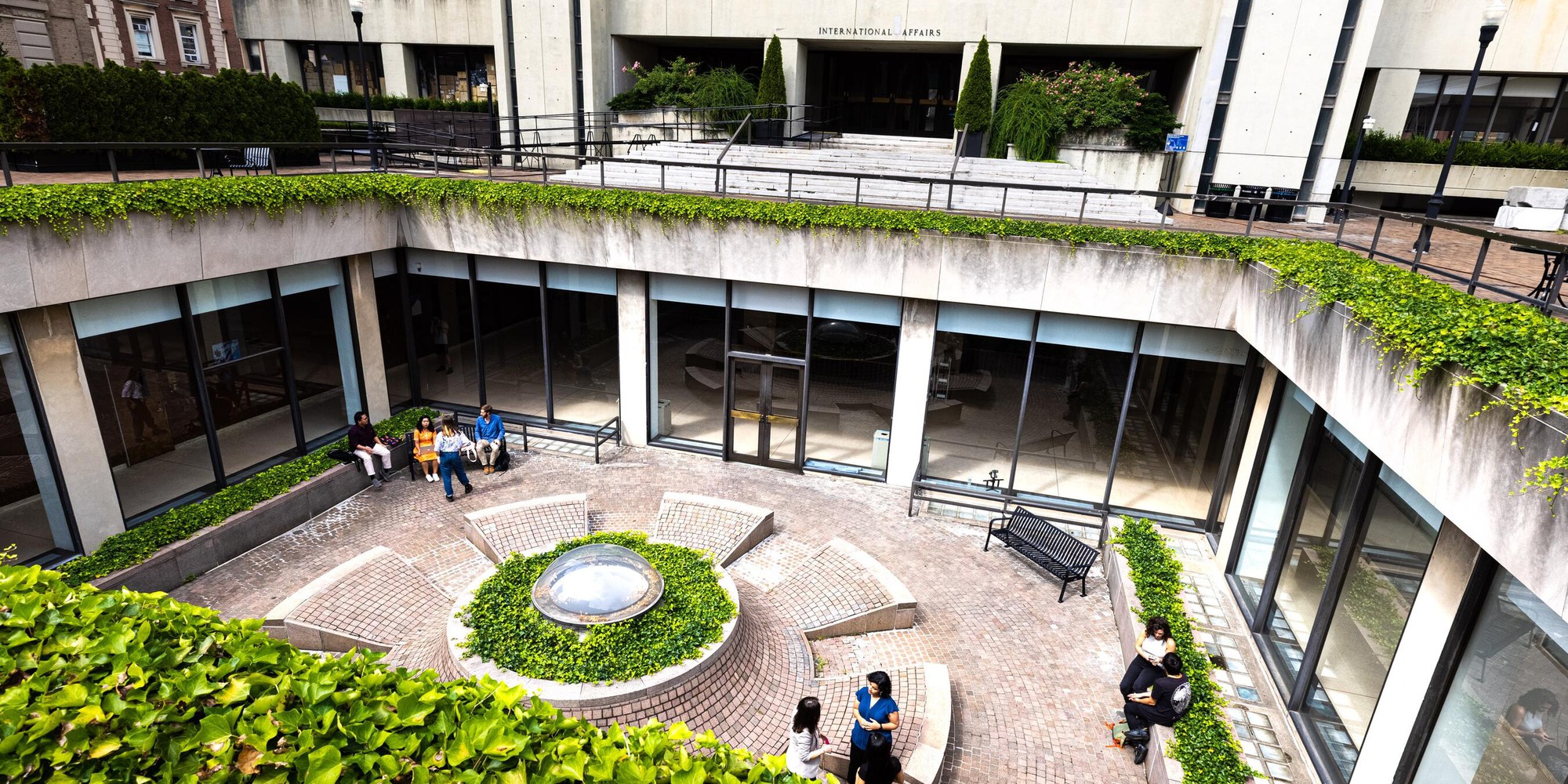
Columbia University’s School of International and Public Affairs (SIPA) offers a dynamic campus life that blends academic rigor with immersive experiential learning, set against the backdrop of New York City’s intellectual and cultural energy. Located in two iconic Manhattan neighborhoods—Manhattanville and Morningside Heights—SIPA’s facilities are designed to foster collaboration, innovation, and engagement. From state-of-the-art libraries and research labs to vibrant student organizations and sustainability initiatives, the campus experience at SIPA extends beyond classrooms, preparing students to navigate global challenges with both theoretical expertise and practical skills. The school’s commitment to student well-being is further reinforced through comprehensive financial aid, career development resources, and a robust network of alumni and global partners.
Physical Campus Locations and Facilities Supporting Student Life
SIPA’s dual-campus setup leverages the strengths of two distinct yet interconnected environments. The Manhattanville campus, home to SIPA’s main administrative offices and core academic buildings, is part of Columbia’s sprawling Columbia University Manhattanville Expansion (CUMME). This modern complex includes:
- Lehman Hall, SIPA’s flagship building, featuring seminar rooms, a student lounge with collaborative workspaces, and a multimedia lab for policy analysis and data visualization.
- Lerner Hall, housing the SIPA Library, a specialized repository with over 120,000 volumes, including rare collections on international relations, public policy, and development studies. The library also offers 24/7 access, silent study zones, and research assistance from subject librarians.
- The SIPA Center for Global Thought and Policy, a hub for interdisciplinary research and public lectures, hosting events like the SIPA Global Policy Debates series.
- The SIPA Student Lounge and Café, a social hub with free coffee, snacks, and event spaces for student organizations.
The Morningside Heights campus, adjacent to Columbia’s main campus, provides additional resources:
- The Columbia University Libraries system, including Low Memorial Library and Levy Economics Library, offering cross-disciplinary research tools.
- The International Affairs Library (IAL), a joint SIPA-Columbia resource with specialized collections on human rights, conflict resolution, and environmental policy.
- The Data Science Institute (DSI) at Columbia, where SIPA students can access advanced analytics tools, workshops on machine learning for policy, and partnerships with tech firms.
Visual Representation: A Typical Day in the Life of a SIPA Student
A text-based illustration for HTML/CSS implementation:
[Morning: 7:30 AM]
- Location: Manhattanville Campus – SIPA Lounge
- Activity: Coffee and breakfast with peers from the SIPA Model United Nations (MUN) team, reviewing draft policy papers for an upcoming conference.
- Facility Used: SIPA’s student lounge with Wi-Fi and charging stations.
[Academic Block: 9:00 AM - 12:00 PM]
- Location: Lehman Hall, Room 305 – "Global Health Policy" seminar
- Activity: Interactive lecture with a visiting professor from the World Health Organization (WHO), followed by a group case study on pandemic response strategies.
- Facility Used: Smart classroom with collaborative whiteboards and Zoom integration for guest speakers.
[Lunch: 12:30 PM]
- Location: Columbia’s Dining Hall (Morningside Heights)
- Activity: Networking lunch with SIPA’s Career Development Office (CDO), where alumni from UNICEF and the World Bank share insights on internship opportunities.
- Facility Used: Campus dining with sustainable food options (e.g., plant-based menus).
[Afternoon: 1:30 PM - 4:00 PM]
- Location: SIPA Library (Manhattanville) – Group Study Session
- Activity: Research for the SIPA Journal of International and Public Affairs, a student-run publication. Team discusses findings with a faculty advisor specializing in climate policy.
- Facility Used: Library’s group study pods with noise-canceling technology.
[Evening: 6:00 PM]
- Location: SIPA Center for Global Thought – Public Lecture
- Activity: Attending a talk by a Nobel laureate on economic inequality, followed by a Q&A with SIPA’s student government (SIPA-SG).
- Facility Used: Auditorium with live-streaming capabilities for remote students.
[Late Evening: 9:00 PM]
- Location: SIPA’s Residential Hall (for on-campus students) or Local NYC Café
- Activity: Relaxation or volunteering at a local NYC nonprofit (e.g., God’s Love We Deliver) through SIPA’s Community Service Initiative.
- Facility Used: On-campus housing with shared kitchens or off-campus partnerships.
Student Organizations, Journals, and Initiatives Enhancing Engagement
SIPA’s over 30 student-led organizations provide platforms for skill-building, leadership, and cross-cultural exchange. These groups are categorized into academic, professional, cultural, and service-oriented initiatives, with many offering funding for travel, conferences, or research projects. Key highlights include:
- Academic and Professional Development:
- SIPA Model United Nations (MUN): One of the oldest and most prestigious MUN teams, competing globally and organizing the Columbia MUN Conference, attended by 1,500+ delegates annually.
- SIPA Journal of International and Public Affairs: A peer-reviewed journal published biannually, featuring student research on global governance, human rights, and technology policy.
- SIPA Consulting Group: Partners with NYC-based NGOs and startups to provide pro bono policy consulting, with projects featured in Harvard’s Kennedy School case studies.
- SIPA Women in International Affairs (SIPA-WIIA): Advocates for gender equity in global policy, hosting events like "Women Leading in Crisis" with speakers from Amnesty International and the UN Women.
- Cultural and Identity-Based Groups:
- SIPA International Student Association (ISA): Organizes language exchange programs and cultural festivals, such as the annual Diwali or Lunar New Year celebrations.
- SIPA LGBTQ+ Alliance: Collaborates with Columbia’s LGBTQ+ Center to host workshops on inclusive policy-making and sponsors speakers from global LGBTQ+ advocacy organizations.
- SIPA Africa Forum: Focuses on African diaspora issues, partnering with African Union missions in NYC for policy discussions.
- Service and Advocacy Initiatives:
- SIPA Community Service Initiative: Engages students in volunteer projects with NYC nonprofits, including housing advocacy for refugees and environmental cleanup drives.
- SIPA Human Rights Clinic: Works with local legal aid organizations to draft policy memos on immigration and asylum rights.
- SIPA Environmental Policy Group: Advocates for sustainability on campus, leading campaigns like "Zero Waste SIPA" and partnering with NYC’s Department of Sanitation.
Funding and Support for Student Initiatives:
SIPA allocates $500,000+ annually through:
- The SIPA Student Activities Fund, providing $500–$2,000 grants for conferences, research, or travel.
- The SIPA Public Service Fellowship, offering summer stipends for students interning with government agencies or international organizations.
- The SIPA Diversity Fellowship, supporting underrepresented students in leadership roles within student organizations.
Financial Aid, Scholarships, and Funding Opportunities
SIPA is committed to accessibility, offering a need-blind admissions process and full financial aid packages for all admitted students. The school’s financial aid program covers tuition, living expenses, and research costs, with 90% of students receiving some form of aid. Key funding opportunities include:
- Merit-Based Scholarships:
- The SIPA Dean’s Scholarship: Awarded to top-ranked applicants, covering 25–100% of tuition.
- The SIPA Global Leadership Scholarship: Supports students with proven leadership in international development, offering $10,000–$25,000 annually.
- The SIPA Women in Leadership Scholarship: Earmarked for women pursuing careers in public policy, providing $15,000 per year.
- Need-Based Grants and Loans:
- Columbia University Financial Aid: Includes federal and institutional grants, with no loans required for students from families earning under $75,000 annually
Columbia’s School of International and Public Affairs stands as a testament to how education can drive systemic change, fostering a generation of leaders who tackle inequality, environmental crises, and geopolitical tensions with both vision and precision. By merging cutting-edge research with unparalleled global networks, SIPA doesn’t just prepare students for careers—it equips them to redefine the future of public service. In an era where borders blur and challenges multiply, SIPA’s legacy lies not in its history, but in the transformative impact its alumni continue to deliver across continents. | | | |

Leave a Comment
Comments are moderated before appearing. The data you submit is processed according to the Privacy Policy of Vetlife Archive.