Exploring alligator farm hot springs ar adventures
Table of Contents
- Alligator Farm Hot Springs: An Overview of the Experience
- Geographical and Climatic Significance of Hot Springs as an Alligator Farm Hub
- Historical Timeline: The Rise of Alligator Farming in Hot Springs
- Sensory and Visual Immersion: A First-Time Visitor’s Experience
- Comparative Analysis: Hot Springs Alligator Farms vs. Other U.S. Destinations
- Types of Alligator Farms in Hot Springs: From Breeding Facilities to Educational Centers
- Commercial Alligator Farms: Breeding and Industry Operations
- Educational Wildlife Parks: Conservation Through Interaction
- Private Collections and Specialized Facilities
- Comparison of Alligator Farm Models in Hot Springs
- Sustainability Practices in Alligator Farming
- Behind-the-Scenes Processes in Alligator Farming
- Hot Springs Alligator Farms as Wildlife Sanctuaries: Conservation Efforts and Rescue Programs
- Conservation Programs and Their Impact on Gator Populations
- Rescue and Rehabilitation Operations: A Step-by-Step Process
- Partnerships with Government Agencies and Nonprofits
- Measurable Outcomes of Conservation Programs
- Visitor Activities and Unique Experiences at Hot Springs Alligator Farms
- Must-Do Activities for an Unforgettable Visit
- Interactive Experiences: From Gator Wrestling to Nocturnal Adventures
- Planning Your Visit: A Three-Column Guide to Activities
- Technology Enhancing Visitor Engagement
- Photography Tips for Capturing Stunning Gator Images
- Behind the Scenes: The Science and Care of Alligators in Hot Springs Farms
- Biological Needs of Alligators in Captivity
- Veterinary Care and Exotic Animal Medicine
- Breeding and Incubation Processes
- Research Initiatives and Scientific Contributions
- Safety Checklist: Understanding Alligator Behavior
- Alligator Farm Hot Springs as a Cultural and Economic Driver: Local Impact and Tourism
- Economic Contributions and Revenue Generation
- Job Creation and Workforce Development
- Partnerships with Local Businesses and Hospitality
- Cultural Significance: From Native Traditions to Modern Festivals
- Case Study: Alligator Farm & Zoo’s Economic and Community Impact
- Challenges and Opportunities in Sustaining Alligator Farm Tourism
- Community Engagement Initiatives and Social Impact
Nestled along the rugged beauty of Arkansas’s Hot Springs National Park, alligator farms transform a natural landscape into a thriving ecosystem where wildlife conservation meets unforgettable tourism. Since the early 20th century, these farms have carved a niche as global pioneers in alligator husbandry, turning a once-overlooked swampy region into a hub where visitors can witness one of nature’s most formidable yet fascinating creatures up close. The humid air carries the earthy scent of cypress trees and the distant calls of herons, while the sun casts long shadows across murky ponds where alligators bask—creating an atmosphere where adventure and education intertwine seamlessly.
Hot Springs’ climate, with its warm summers and mild winters, mirrors the ideal conditions alligators require, fostering an environment where farms thrive both commercially and ecologically. Unlike other gator destinations in Florida or Louisiana, Arkansas’s alligator farms stand out for their emphasis on sustainability, blending cutting-edge conservation with hands-on visitor experiences. From the adrenaline rush of a guided gator tour to the quiet awe of observing hatchlings emerge from artificial nests, these farms offer a rare glimpse into the dual role of alligators—as both apex predators and ambassadors of wetland preservation. The question isn’t just why visit, but how to experience the full spectrum of what makes Hot Springs a one-of-a-kind destination for wildlife enthusiasts.

Alligator Farm Hot Springs: An Overview of the Experience
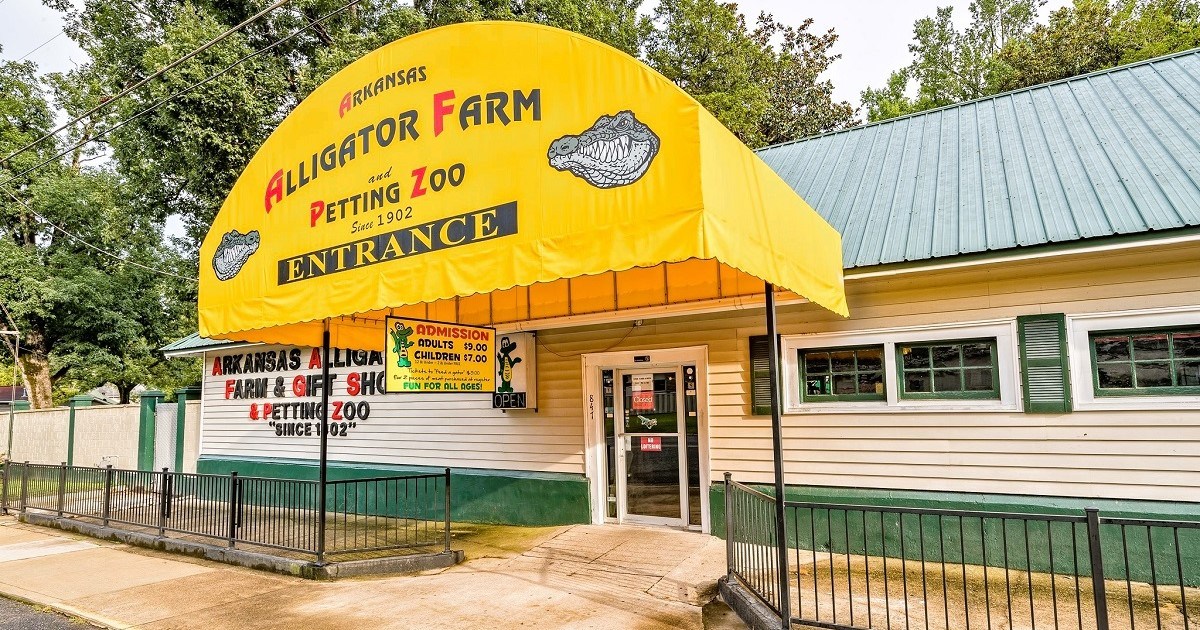
Hot Springs, Arkansas, is not just a city renowned for its thermal baths and historic charm—it is also a cornerstone of alligator farming and wildlife tourism in the United States. Nestled within the Ouachita National Forest and the Arkansas River Valley, the region’s unique geography and climate have fostered an ecosystem where alligators thrive, while also attracting millions of visitors annually. The convergence of natural hot springs, dense forests, and a mild subtropical climate has created an unparalleled setting for alligator farms, blending conservation, education, and recreation into a singular experience. For visitors, stepping into an alligator farm here is like entering a living museum where wildlife, history, and adventure intertwine.
The alligator farming industry in Hot Springs traces its roots to the mid-20th century, evolving from a niche economic activity into a cultural and economic pillar of the region. Before the 1960s, alligator farming was almost nonexistent in Arkansas, but the passage of the Endangered Species Act of 1966 and the subsequent Alligator Farming Act of 1969 transformed the landscape. These legislative milestones not only protected wild alligator populations but also incentivized private farms to breed and raise alligators sustainably. By the 1980s, Arkansas became the second-largest alligator-producing state in the U.S., behind only Louisiana, with Hot Springs emerging as the epicenter of this thriving industry. Today, the farms here contribute millions to the local economy while serving as vital hubs for wildlife conservation and public education.

Geographical and Climatic Significance of Hot Springs as an Alligator Farm Hub
Hot Springs’ strategic location within the Arkansas River Valley and its proximity to the Ouachita Mountains create an ideal microclimate for alligator farming. The region’s humid subtropical climate—characterized by hot, humid summers and mild winters—mirrors the natural habitat of alligators in the southeastern U.S. Average temperatures range from 35°F to 90°F (2°C to 32°C), with abundant rainfall (around 50 inches annually) ensuring lush vegetation and water sources critical for alligator survival. The thermal springs that give the city its name also play a subtle role, as their consistent warmth can be harnessed in farm infrastructure to regulate water temperatures in ponds and enclosures.
Beyond climate, the geological diversity of Hot Springs provides a natural advantage. The limestone bedrock of the area filters water, creating clear, mineral-rich ponds that are both visually appealing and biologically balanced for alligator habitats. Additionally, the low-lying wetlands and forested areas surrounding the farms replicate the natural ecosystems where alligators historically thrived, reducing stress on captive-bred individuals. This combination of natural resources has allowed Hot Springs’ farms to achieve higher survival rates and faster growth cycles compared to farms in colder or more arid regions.
Historical Timeline: The Rise of Alligator Farming in Hot Springs
The evolution of alligator farming in Hot Springs can be divided into four key phases, each marked by legislative, economic, and cultural shifts:
- Pre-1960s: Early Exploration and Hunting Before commercial farming, alligators in Arkansas were primarily hunted for their hides and meat. The species was not yet protected, leading to overharvesting and declining populations. Indigenous tribes, such as the Quapaw and Caddo, historically revered alligators as symbols of power and used their hides for tools and clothing. European settlers later exploited alligator populations for profit, but without sustainable practices.
- 1966–1975: Legislative Protection and Industry Birth The Endangered Species Act (1966) and the Alligator Farming Act (1969) banned the hunting of alligators in Arkansas and required permits for farming operations. This shift forced entrepreneurs to transition from hunting to breeding and raising alligators in captivity. The first licensed alligator farms in Hot Springs emerged during this period, with pioneers like Eddie Dean (founder of the Dean’s Alligator Farm) leading the way.
- 1980–1995: Economic Boom and Tourism Integration By the 1980s, Arkansas became a major player in the alligator farming industry, producing over 60% of the nation’s farmed alligators. Hot Springs’ farms expanded rapidly, incorporating tourism as a revenue stream alongside commercial production. The opening of Gatorland USA (1985) and Dean’s Alligator Farm (1969) transformed these operations into educational attractions, drawing visitors eager to witness live alligator encounters. This period also saw the development of alligator meat and hide markets, with Arkansas becoming a supplier to restaurants and leather goods manufacturers nationwide.
- 2000–Present: Conservation Focus and Global Recognition In the 21st century, Hot Springs’ alligator farms shifted emphasis toward conservation and sustainability. Many farms now participate in breeding programs for endangered species, such as the Chinese alligator, and collaborate with universities for research on reptile biology. The Arkansas Alligator Farm Association was established to promote ethical farming practices, while farms like Melrose Plantation Alligator Farm integrated eco-tourism with historical narratives, appealing to a broader audience. Today, the industry supports over 50 licensed farms in the region, generating $50+ million annually in tourism and exports.
Sensory and Visual Immersion: A First-Time Visitor’s Experience
Walking through an alligator farm in Hot Springs is a multisensory journey that begins the moment visitors step off the parking lot. The air carries the earthy scent of cypress trees and damp soil, mingling with the subtle musk of alligator habitats—a scent that is both primal and strangely inviting. The sound of rustling reeds and the occasional gurgle of water from nearby ponds sets the tone, while the calls of herons and egrets echo in the background, creating a symphony of the wild.
Visually, the landscape is a patchwork of sun-dappled ponds, lush greenery, and weathered wooden boardwalks that guide visitors through carefully designed enclosures. Alligators of varying sizes—from tiny hatchlings no larger than a shoelace to massive adults spanning 12 feet—lounge on banks or glide silently beneath the surface. The reflections of blue sky and towering pines ripple across the water, while the occasional splash of an alligator submerging sends a shiver down the spine. Educational signs and interpretive displays explain the species’ lifecycle, feeding habits, and conservation status, blending science with storytelling.
For many first-time visitors, the most unforgettable moment comes during feeding demonstrations, where keepers toss chunks of meat into the water, triggering a controlled frenzy of snapping jaws and thrashing tails. The physical proximity to these ancient predators—feeling their rough, armored scales or hearing their deep, guttural growls—creates a primitive thrill, a reminder of nature’s raw power. Yet, the farms also emphasize respect and safety, ensuring visitors leave with both adrenaline-fueled memories and a deeper appreciation for wildlife preservation.
Comparative Analysis: Hot Springs Alligator Farms vs. Other U.S. Destinations
While alligator farming exists in multiple states, Hot Springs stands out due to its unique blend of climate, conservation efforts, and tourist appeal. The following table compares Hot Springs with three other prominent alligator farm destinations in the U.S.:
| Location | Climate | Wildlife Diversity | Tourism Appeal | |||||||||||||||||||||||||||||||||||||||||||||||||||
|---|---|---|---|---|---|---|---|---|---|---|---|---|---|---|---|---|---|---|---|---|---|---|---|---|---|---|---|---|---|---|---|---|---|---|---|---|---|---|---|---|---|---|---|---|---|---|---|---|---|---|---|---|---|---|
| Hot Springs, Arkansas | Humid subtropical (35–90°F / 2–32°C); abundant rainfall; thermal springs influence microclimates. | Alligators, turtles, herons, egrets, otters; integrated conservation programs for endangered species. | Combination of educational tours, feeding shows, historical narratives, and eco-tourism; proximity to national parks and resorts. | |||||||||||||||||||||||||||||||||||||||||||||||||||
| St. Augustine, Florida | Tropical (70–90°F / 21–32°C); high humidity; hurricane-prone. | Alligators, crocodiles, manatees, dolphins; limited conservation focus compared to Arkansas.Types of Alligator Farms in Hot Springs: From Breeding Facilities to Educational Centers
Alligator farms in Hot Springs, Arkansas, represent a unique intersection of wildlife conservation, commercial enterprise, and public education. These facilities vary widely in purpose and operation, ranging from large-scale commercial breeding operations to interactive educational centers designed to foster appreciation for alligators and their ecosystems. Understanding the distinctions between these farm types reveals their collective impact on both local economies and global conservation efforts. Below, the operations, visitor experiences, and sustainability practices of alligator farms in Hot Springs are categorized and analyzed, highlighting their multifaceted roles in wildlife management and public engagement.
Commercial Alligator Farms: Breeding and Industry OperationsCommercial alligator farms serve as the backbone of the alligator farming industry, focusing on large-scale breeding, habitat management, and the production of leather and meat. In Hot Springs, these farms adhere to strict state and federal regulations to ensure ethical and sustainable practices while contributing significantly to Arkansas’s agricultural economy. The breeding programs in these facilities are meticulously designed to maintain genetic diversity and health, often involving selective pairings to produce high-quality offspring for commercial purposes. Habitat management in commercial farms prioritizes replicating natural conditions, including controlled water temperatures, proper nutrition, and spacious enclosures to prevent stress-related illnesses. Farms typically maintain separate ponds for different age groups—juveniles, sub-adults, and adults—each tailored to the specific needs of the alligators at each life stage. Advanced filtration systems and water recycling methods are employed to minimize environmental impact while ensuring optimal living conditions. The role of these farms extends beyond breeding; they play a crucial part in the alligator leather and meat industries. Arkansas is one of the largest producers of alligator products in the U.S., with farms supplying hides for luxury goods and meat for gourmet markets. The process begins with harvesting eggs, which are incubated under controlled conditions to maximize hatch rates. Once hatched, alligators are raised for 2–3 years before being processed, adhering to industry standards for humane handling and ethical treatment. Key Challenges in Commercial Farming Maintaining healthy populations in captivity requires vigilance against diseases such as Aeromonas infections or respiratory illnesses, which can spread rapidly in dense populations. Farms invest in veterinary care, including regular health checkups, parasite control, and emergency medical protocols. Additionally, market fluctuations and regulatory changes pose ongoing challenges, necessitating adaptability in breeding strategies and product diversification.Educational Wildlife Parks: Conservation Through InteractionEducational alligator farms and wildlife parks in Hot Springs prioritize visitor engagement as a tool for conservation awareness. These facilities blend entertainment with education, offering interactive experiences that demystify alligators while emphasizing their ecological importance. Unlike commercial farms, educational centers often partner with wildlife rehabilitation organizations, contributing to research and rescue efforts for injured or orphaned alligators. Interactive exhibits are a cornerstone of these parks, featuring live feedings, behind-the-scenes tours, and hands-on activities such as gator egg candling (a process where visitors observe developing embryos using a specialized light). Exhibits often include naturalistic habitats that mimic wetlands, allowing visitors to observe alligators in environments resembling their native ecosystems. For younger audiences, educational programs incorporate storytelling, games, and scavenger hunts to teach about alligator behavior, conservation, and the role of wetlands in biodiversity. Integration of Conservation Messaging Educational farms incorporate conservation efforts into their daily operations, such as participating in head-start programs for endangered species or hosting workshops on wetland preservation. Visitors learn about threats to alligator populations, including habitat loss and climate change, while also discovering how sustainable farming practices can coexist with wildlife protection. Some parks even offer volunteer opportunities, allowing visitors to contribute directly to conservation initiatives.Private Collections and Specialized FacilitiesIn addition to commercial and educational farms, Hot Springs hosts private alligator collections and specialized facilities focused on research or exotic pet breeding. These operations often cater to niche markets, such as supplying alligators to zoos, research institutions, or private collectors. While smaller in scale, these facilities contribute to genetic diversity by maintaining unique bloodlines or rare species, such as the Chinese alligator (Alligator sinensis), which is critically endangered in the wild. Private collections typically emphasize individualized care, with owners or managers specializing in veterinary medicine, nutrition, or behavioral studies. Some operate as hybrid models, combining elements of commercial and educational farms, such as offering guided tours while maintaining breeding programs. However, these facilities must navigate stricter regulations, particularly regarding permits for exotic species and compliance with the U.S. Fish and Wildlife Service.Comparison of Alligator Farm Models in Hot SpringsThe diverse roles of alligator farms in Hot Springs can be distinguished through the following comparison, highlighting their primary functions, visitor activities, and conservation contributions:
Sustainability Practices in Alligator FarmingLeading alligator farms in Hot Springs have adopted innovative sustainability practices to reduce environmental impact while maintaining operational efficiency. Water recycling systems, such as closed-loop filtration and pond management, minimize waste and conserve resources. For instance, some farms use aeration systems to improve water quality and reduce the need for frequent pond draining, which can harm local ecosystems. Habitat restoration is another priority, with farms collaborating with state agencies to restore degraded wetlands or create artificial nesting sites for wild alligators. Partnerships with wildlife rehabilitation centers further enhance sustainability, as farms often donate surplus alligators or provide expertise in captive breeding to support endangered species programs. Innovations in Farming Techniques Advancements in technology have also improved sustainability. Remote monitoring systems track water quality, temperature, and alligator health in real time, allowing for proactive interventions. Additionally, farms are exploring alternative protein sources for alligator diets to reduce reliance on fish, which can strain local aquatic ecosystems. Some facilities have transitioned to plant-based supplements or insects, aligning with broader trends in sustainable agriculture.Behind-the-Scenes Processes in Alligator FarmingThe day-to-day operations of alligator farms involve intricate processes to ensure the health and productivity of the animals. Feeding schedules are carefully calibrated based on age, size, and metabolic needs, with juveniles receiving smaller, frequent meals while adults are fed less often but in larger quantities. Nutritional balance is critical, as deficiencies can lead to developmental issues or weakened immune systems. Veterinary care is a cornerstone of farm operations, with dedicated staff trained to handle alligator-specific health concerns. Routine checkups include parasite screenings, dental evaluations, and monitoring for signs of metabolic bone disease, which is common in captive alligators due to improper calcium-phosphorus ratios. Emergency protocols are in place for injuries or illnesses, often involving specialized wildlife veterinarians. Challenges in Captive Population Management Maintaining genetic diversity in captive populations is a persistent challenge, as inbreeding can reduce resilience to diseases. Farms employ pedigree tracking and selective breeding strategies to mitigate these risks, sometimes collaborating with other facilities to exchange breeding stock. Social dynamics within enclosures also require careful management, as alligators are territorial and can exhibit aggressive behavior if overcrowded or stressed. Additionally, climate control is essential, particularly during extreme weather events. Farms in Hot Springs must prepare for heatwaves or flooding, which can disrupt breeding cycles or lead to habitat degradation. Some facilities have invested in climate-resilient infrastructure, such asHot Springs Alligator Farms as Wildlife Sanctuaries: Conservation Efforts and Rescue ProgramsAlligator farms in Hot Springs, Arkansas, extend their significance beyond tourism and agricultural production by serving as critical wildlife sanctuaries for gator conservation. These facilities play a pivotal role in protecting endangered or threatened species, particularly the American alligator (Alligator mississippiensis), which was once listed as endangered under the U.S. Endangered Species Act until its delisting in 1987. Today, these farms collaborate with government agencies and nonprofit organizations to execute rescue, rehabilitation, and reintroduction programs, ensuring the survival of gators in their natural habitats. Through partnerships with entities like the U.S. Fish and Wildlife Service (USFWS) and The Gator Rescue League, these farms contribute to broader ecological restoration efforts, including habitat preservation in swamps and wetlands across the southeastern U.S. The conservation mission of Hot Springs alligator farms is rooted in science-based intervention, combining veterinary care, habitat monitoring, and community engagement. Injured or orphaned gators, often victims of vehicle strikes, poaching, or habitat destruction, are brought to these farms for medical treatment and rehabilitation before being released back into the wild. Additionally, farms participate in genetic diversity studies to mitigate inbreeding risks in wild populations, ensuring healthy gator demographics for future generations. Their work also extends to educational outreach, raising awareness about gator ecology and the threats they face, such as habitat fragmentation and climate change.Conservation Programs and Their Impact on Gator PopulationsAlligator farms in Hot Springs operate under structured conservation programs designed to address specific threats to gator populations. These initiatives often align with national and state wildlife management goals, such as those outlined by the Arkansas Game and Fish Commission and the South Carolina Department of Natural Resources. A key focus is on habitat restoration, where farms collaborate with land trusts and conservation groups to protect critical wetlands and swamp ecosystems. For example, the Big Cypress National Preserve in Florida benefits from partnerships with nearby gator farms, which fund and volunteer for wetland rehabilitation projects to expand gator habitats. Another critical program involves wildlife health monitoring, where farms collect data on gator diseases, parasites, and injuries to inform conservation strategies. Farms also participate in head-starting programs, where hatchlings from wild nests are raised in captivity to increase their survival rates before being released. This approach is particularly effective in areas where natural predators or environmental factors threaten juvenile gators. The measurable outcomes of these programs are tracked through survival rates, reproductive success, and habitat expansion metrics, providing tangible evidence of their effectiveness."Conservation is not just about saving individual animals—it’s about preserving entire ecosystems. Alligator farms serve as the frontline in this effort, bridging the gap between human activity and wildlife survival." — U.S. Fish and Wildlife Service, Southeast Region Rescue and Rehabilitation Operations: A Step-by-Step ProcessThe rescue and rehabilitation of injured or orphaned alligators follow a standardized protocol to ensure the highest chances of survival upon release. Below is a step-by-step breakdown of how these operations are conducted: All rescue operations begin with public reporting, where individuals—such as wildlife officers, park rangers, or concerned citizens—notify the farm or a partnered conservation agency about an injured or stranded gator. Reports often include the gator’s location, condition, and any immediate threats (e.g., proximity to roads or human activity). Farms maintain 24/7 emergency response teams equipped with specialized vehicles and containment equipment to safely transport the gator to a rehabilitation facility. Once at the farm, the gator undergoes a comprehensive health assessment by a veterinarian or wildlife biologist. This includes X-rays to identify internal injuries, blood tests for infections or parasites, and physical examinations to evaluate mobility and overall health. Injured gators receive targeted medical treatment, which may include antibiotics, wound care, or surgical interventions for severe trauma. Orphaned hatchlings or juveniles are provided with a controlled environment mimicking their natural habitat, complete with heated enclosures, appropriate diet (e.g., fish, rodents, or insects), and enrichment activities to stimulate natural behaviors. The rehabilitation phase varies in duration depending on the gator’s condition, ranging from weeks to several months. During this time, staff monitor the gator’s progress, adjusting care plans as needed. For instance, a gator with a broken jaw might require a custom-fitted splint and a soft-food diet until it can hunt naturally again. Once fully recovered, the gator is prepared for release through acclimation exercises, such as controlled swims in larger enclosures to rebuild strength and instincts. The final step is reintroduction to the wild, conducted in collaboration with local wildlife agencies. Release sites are carefully selected based on habitat suitability, food availability, and minimal human disturbance. Farms often track released gators using radio telemetry or PIT tags to monitor their survival and integration into the ecosystem. Data from these tracking efforts inform future conservation strategies, such as identifying high-risk areas for gators or adjusting habitat management practices.Partnerships with Government Agencies and NonprofitsThe success of conservation programs at Hot Springs alligator farms is largely attributed to strategic partnerships with federal and state agencies, as well as nonprofit organizations. The U.S. Fish and Wildlife Service plays a central role in funding and overseeing gator conservation initiatives, particularly in states where alligators are still classified as threatened or of conservation concern. For example, the Florida Fish and Wildlife Conservation Commission (FWC) collaborates with gator farms in neighboring states to manage gator populations in the Everglades, where urban expansion and agriculture pose significant threats. Nonprofit organizations also contribute significantly to these efforts. The Gator Rescue League, based in Florida, works closely with Arkansas farms to rescue and rehabilitate gators, while The Orianne Society focuses on long-term habitat protection and research. These partnerships often involve joint funding for research projects, such as studies on gator migration patterns or the impact of climate change on wetland ecosystems. Additionally, farms participate in citizen science programs, where volunteers assist with data collection, habitat monitoring, and public education initiatives. A notable example of interagency collaboration is the Southeastern Partners in Amphibian and Reptile Conservation (SPARC), a coalition of 20+ organizations dedicated to herpetofauna conservation. Hot Springs farms contribute to SPARC by sharing expertise in gator rehabilitation and habitat management, while the coalition provides access to broader resources and research networks. Such collaborations ensure that conservation efforts are scalable, data-driven, and adaptive to evolving ecological challenges.Measurable Outcomes of Conservation ProgramsThe effectiveness of alligator farm conservation programs is quantified through impact metrics that track survival rates, habitat restoration success, and community engagement outcomes. Below is a table summarizing key programs and their measurable impacts:
|
Leave a Comment
Comments are moderated before appearing. The data you submit is processed according to the Privacy Policy of Vetlife Archive.