isle of man isle of man isle of man a hidden gem in europe s heart
Table of Contents
- Geographical and Historical Significance of the Isle of Man
- Geopolitical Position and Sovereignty
- Historical Timeline: From Viking Rule to Modern Autonomy
- Natural Landscapes and Ecological Importance
- Tourism and Visitor Experiences: Why the Isle of Man Stands Out as a Unique Global Destination
- Must-Visit Attractions: A Thematic Exploration of the Isle of Man’s Highlights
- Unique Tourism Offerings: Where Folklore Meets Global Spectacle
- Planning a 5-Day Itinerary: Balancing Urban Exploration, Rural Charm, and Hidden Gems
- Economic and Financial Hub: The Isle of Man’s Global Role in Innovation and Resilience
- Regulatory Framework and Financial Services Leadership
- Key Industries Driving Economic Growth Beyond Finance
- Tax System Comparison: Competitive Advantages for Businesses and Investors
- Culture and Traditions: The Heart of Manx Identity
- Symbolism in Manx Identity: The Triskelion, Tartan, and Flag
- Manx Gaelic: A Lingua Franca of Celtic Revival
- Traditional Manx Crafts: Basketry, Spindle Whirling, and Knitwear
- Folklore and Mythology: The Wild Hunt, the Merrow, and the Phoenix
- Music and Dance: The Rhythms of the Manx Fiddle and Clog Dancing
- Adventure and Outdoor Activities: The Isle of Man as a Playground for Thrill-Seekers and Nature Enthusiasts
- Unique Outdoor Adventures by Activity Type, Location, and Season
- The Isle of Man as a Global Hub for Motorcycle and Car Racing
- Cycling Infrastructure and Scenic Routes: The Raad ny Foillan and Manx Velo
- Wildlife Encounters: Puffins, Seals, and Rare Modern Living and Practicalities: Settling or Visiting the Isle of Man The Isle of Man offers a harmonious blend of modern convenience and timeless charm, making it an appealing destination for both visitors and long-term residents. Whether exploring the cost-effective lifestyle, navigating residency requirements, or leveraging its robust infrastructure, the island provides a well-structured framework for daily living. For expatriates, digital nomads, and tourists alike, understanding practicalities—from housing and healthcare to education and connectivity—ensures a seamless experience. Below, detailed insights into living costs, relocation processes, essential services, and visitor tips highlight why the Isle of Man balances efficiency with island life tranquility. Cost of Living Comparison: Housing, Utilities, and Salaries
- Relocation Guide for Expats and Remote Workers
- Education System: From Primary Schools to Higher Learning
- Essential Services and Infrastructure
- Visitor Practicalities: Transport, Etiquette, and Emergency Services
- Seasonal Weather and Clothing Recommendations
Nestled between the Irish Sea and Celtic heritage, the Isle of Man emerges as a paradox—a tiny island brimming with Viking history, financial clout, and untamed landscapes. This Crown Dependency, often overshadowed by its UK and Irish neighbors, defies expectations with its self-governing Tynwald Parliament, the world’s oldest continuously legislating body. From the thunderous TT motorcycle races carving through Snaefell’s slopes to the eerie whispers of Manx folklore echoing in Glen Maye’s cliffs, the island blends adventure, diplomacy, and ancient traditions into a tapestry few destinations can rival.
Beyond its rugged beauty lies a modern powerhouse: a global financial hub where cryptocurrency meets offshore banking, and a sustainable tourism pioneer balancing eco-conscious initiatives with adrenaline-pumping escapades. Yet, at its core, the Isle of Man remains a living museum of Celtic-Norse fusion, where the Manx language clings to survival, and festivals like Hunt’s Ball reenact Viking sagas with fiery passion. This is not just an island—it’s a microcosm of resilience, where every cobblestone of Castletown and every whisper of the Manx cat folklore tells a story waiting to be uncovered.

Geographical and Historical Significance of the Isle of Man
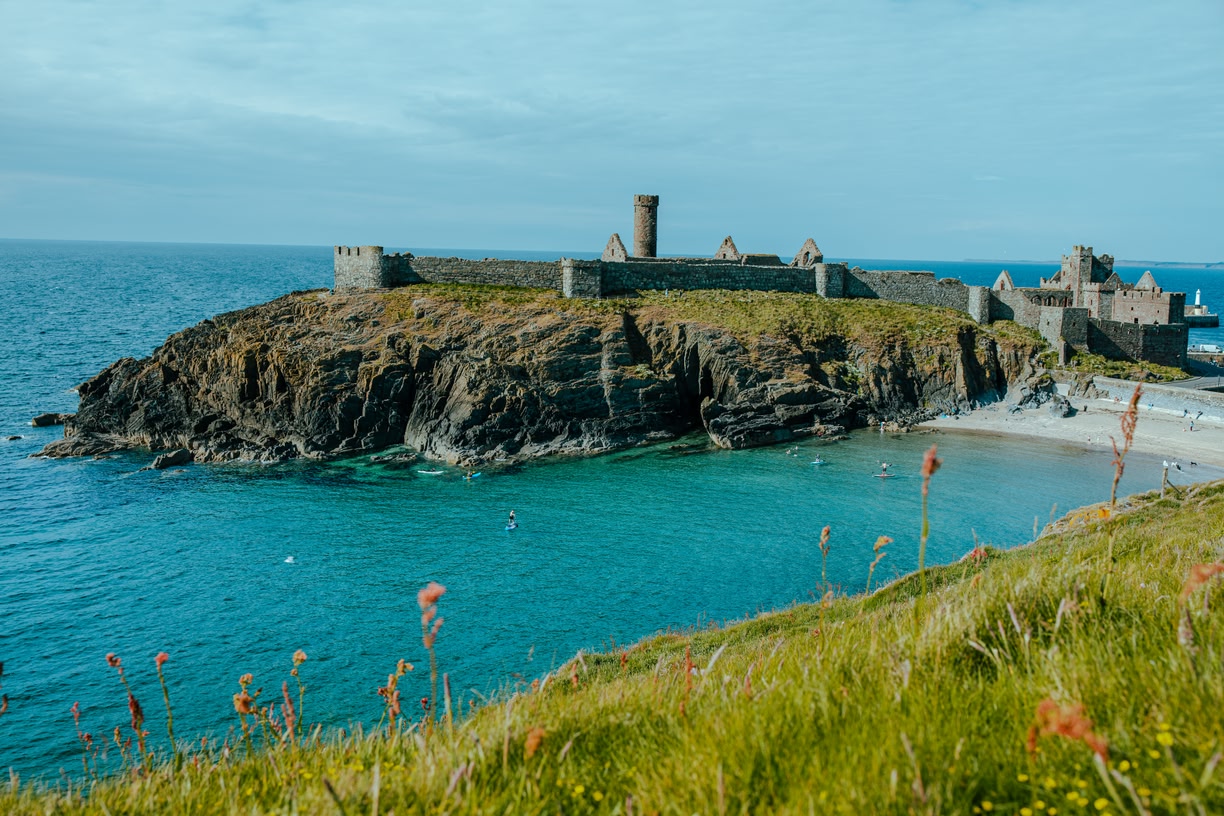
The Isle of Man, a self-governing British Crown Dependency located in the Irish Sea, occupies a unique position between the United Kingdom and Ireland, straddling the maritime boundary at 54.24°N latitude, 4.51°W longitude. Geographically isolated yet culturally rich, its sovereignty is distinct from the UK but remains under the British Crown, granting it a semi-autonomous status that blends historical legacy with modern governance. This strategic location, coupled with a history shaped by Viking invasions, medieval kingdoms, and maritime trade, has cemented the Isle of Man’s identity as a crossroads of European influence.
The island’s terrain is dominated by dramatic landscapes, including the Snaefell mountain range, which reaches 621 meters (2,037 feet) and is often referred to as the "Monteith of the World" due to its visibility from almost anywhere on the island. The coastal cliffs, such as those at The Chasms near Port St. Mary, exhibit striking geological formations carved by glacial activity and erosion, while the Glen Maye ravine—a 20-meter-deep chasm—serves as a testament to the island’s volcanic past. These natural features not only define the Isle of Man’s ecological diversity but also attract conservation efforts, with protected areas like the Calf of Man and Sulby Moss preserving rare flora and fauna, including the Manx shearwater and the endangered Dactylorhiza maculata orchid.

Geopolitical Position and Sovereignty
The Isle of Man’s status as a Crown Dependency distinguishes it from British Overseas Territories and the Channel Islands (Jersey and Guernsey). Unlike the UK’s overseas territories, which operate under direct British governance, the Isle of Man retains full legislative competence, meaning its laws apply only within its jurisdiction. This autonomy is enshrined in the 1936 Isle of Man Constitution Act, which grants the island’s parliament, Tynwald, the power to legislate on most domestic matters, including taxation, education, and agriculture. However, defense and foreign policy remain the responsibility of the UK government, with the British monarch serving as the Lord of Mann, a ceremonial role symbolizing the Crown’s ultimate sovereignty.
A comparative analysis of the Isle of Man’s governance structure with other Crown Dependencies and territories reveals key distinctions:
| Aspect | Isle of Man | Jersey | Guernsey | British Overseas Territories (e.g., Bermuda) |
|---|---|---|---|---|
| Legal Autonomy | Full legislative power via Tynwald; UK approves laws via Letters Patent. | Legislative Assembly and States of Jersey; UK approval required for constitutional changes. | Bicameral system (States of Deliberation and Policy Council); UK oversight for major reforms. | UK Parliament retains ultimate authority; local legislatures have limited autonomy. |
| Taxation | No income tax; relies on VAT, business taxes, and tourism. Financial services sector is a major revenue source. | Zero income tax for residents; VAT and property taxes fund public services. | Similar to Jersey; low corporate taxes attract international businesses. | Varies; some territories (e.g., Cayman Islands) have territorial tax systems, while others (e.g., Falklands) rely on UK subsidies. |
| Sovereignty Symbols | British monarch as Lord of Mann; Manx flag and coat of arms feature the Triskelion and Norse influences. | Duke of Normandy (representing the Crown) as Bailiff; Channel Islands flag with heraldic lions. | Lieutenant Governor represents the Crown; Guernsey’s flag includes the Golden Lion. | Governors appointed by the UK; flags and symbols reflect local identity (e.g., Bermuda’s red lion). |
| Defense and Foreign Policy | UK responsible for defense; Isle of Man has no standing military but maintains a Volunteer Corps. | UK defense; Jersey and Guernsey have small police forces but no military. | UK defense; Guernsey relies on UK for security. | UK defense guaranteed; some territories (e.g., Gibraltar) have joint sovereignty agreements. |
The Isle of Man’s proximity to the UK (approximately 250 miles west of Liverpool) and Ireland (about 150 miles east of Dublin) has historically positioned it as a neutral zone during conflicts. During World War I and II, the island served as a safe haven for ships, a prisoner-of-war camp, and a neutral meeting ground for diplomatic negotiations. This legacy persists in modern diplomacy, where the Isle of Man hosts international conferences and serves as a forum for conflict resolution, particularly in maritime law and financial regulation.
> The Isle of Man’s historical neutrality and geographical isolation have repeatedly transformed it into a sanctuary during global crises. From its role as a refuge for stranded vessels in the Napoleonic Wars to its modern status as a hub for fintech and offshore banking under strict regulatory oversight, the island exemplifies resilience and adaptability in international affairs.
Historical Timeline: From Viking Rule to Modern Autonomy
The Isle of Man’s history spans over thousand years, marked by invasions, cultural fusion, and political evolution. The island’s earliest recorded inhabitants were Celtic tribes, but its defining era began with the Viking Age (8th–11th centuries), when Norwegian chieftain Guthrum the Red established a kingdom centered in Castletown. The Norse influence persisted until the 13th century, when the island was ceded to Scotland under King Alexander III, only to be later claimed by England in 1266 via the Treaty of Perth. This shifting allegiance set the stage for the island’s unique Celtic-Norse-British identity.
Key historical milestones include: - 1079: Magnus Bareleg, King of Norway, consolidated Manx rule and introduced the Tynwald Parliament, the world’s oldest continuously functioning legislative body. - 1266: The Treaty of Perth transferred the Isle of Man to Scotland, though England retained influence. - 1333: King Edward III of England annexed the island, integrating it into the English Crown. - 1609: James I of England granted the island to the Stanhope family, beginning a period of feudal rule that lasted until 1765. - 1866: The Isle of Man Purchase Act ended private ownership, returning the island to the British Crown. - 1936: The Constitution Act established Tynwald’s legislative supremacy, formalizing the island’s self-governing status. - 1979: The Manx Language Act recognized Manx Gaelic as an official language, reviving efforts to preserve the indigenous tongue. - 2006: The island adopted the Euro for financial transactions, aligning with the EU’s monetary system despite not being a member.
The Tynwald Parliament, established in 979 AD, remains the oldest parliament in the world still in operation. Its unique structure includes the House of Keys (elected representatives) and the Legislative Council (appointed members), reflecting a blend of democratic and hereditary governance. This system underscores the Isle of Man’s ability to balance tradition with modernity, ensuring its political identity remains distinct within the British realm.
Natural Landscapes and Ecological Importance
The Isle of Man’s topography is a geological tapestry shaped by glacial periods, volcanic activity, and coastal erosion. The Snaefell mountain range, part of the Manx Central Mountains, dominates the island’s interior, with Snaefell itself offering panoramic views across the Irish Sea. The mountain’s granite core and limestone plateaus create microclimates that support rare arctic-alpine flora, such as the Manx whitethroat and cloudberry (Hylocomium splend
Tourism and Visitor Experiences: Why the Isle of Man Stands Out as a Unique Global Destination
The Isle of Man transcends the conventional island getaway, offering a harmonious blend of adrenaline-pumping adventures, untouched natural beauty, and deep-rooted cultural heritage. Unlike larger tourist hubs or even other small islands, the Isle of Man curates an experience that caters to thrill-seekers, nature lovers, and history buffs alike. Its compact yet diverse landscape ensures that every visitor finds something unforgettable, whether it’s the roar of engines at the TT Races, the whispering winds through the Calf of Man’s rugged cliffs, or the ancient stones of Castle Rushen standing as silent witnesses to centuries of history. The island’s unique appeal lies in its ability to deliver authenticity—where folklore, sport, and nature intertwine seamlessly, creating memories that linger long after departure.
The Isle of Man’s tourism strategy emphasizes sustainability, accessibility, and immersive experiences, setting it apart from other small island destinations. Direct ferry routes from Liverpool and the UK’s well-connected transport network make it easily accessible, while initiatives like the Green Isle of Man campaign and renewable energy projects ensure that tourism thrives without compromising the environment. Seasonal events, from the electrifying Manx Music Festival to the cozy charm of Christmas markets, further enrich the visitor experience, blending local traditions with global allure.
Must-Visit Attractions: A Thematic Exploration of the Isle of Man’s Highlights
The Isle of Man’s attractions are as diverse as its landscapes, each offering a distinct lens through which to experience the island’s character. Adventure enthusiasts, nature seekers, and culture aficionados will find their perfect match here, with landmarks that range from world-class racing circuits to prehistoric sites and folklore-rich villages.
Adventure Attractions The Isle of Man is a paradise for adrenaline junkies, where the thrill of speed and the call of the wild are inextricably linked. The island’s most iconic attraction, the TT Races, draws motorcycle enthusiasts from around the globe to witness the world’s oldest motorcycle races. Held annually on the Mountain Course, a 60.73-kilometer public road circuit, the event combines high-octane competition with breathtaking scenery, including hairpin bends like Quarterbridge and Verandah, where riders push their machines to the limit. Beyond the TT, the Laurel Bank Motorcycle Museum in Douglas houses an impressive collection of over 200 motorcycles, including rare vintage models and TT-winning machines, offering a deeper dive into the island’s motorsport legacy.
For those seeking non-motorized adventures, the Manx National Heritage’s Adventure Trail invites exploration through coastal paths and ancient landscapes, while Peel Castle, perched on a rocky islet, offers a mix of history and panoramic views. The Glen Maye Experience, a 4x4 off-road adventure, takes visitors through the island’s most rugged terrain, including the South Barrule mountain, where the scent of heather and the sound of rushing streams create an immersive wilderness experience.
Nature and Wildlife Encounters The Isle of Man’s natural beauty is both dramatic and serene, with landscapes that shift from windswept cliffs to lush valleys. The Calf of Man, a small, uninhabited island accessible by boat from Port St. Mary, is a haven for birdwatchers and hikers. Its rugged coastline is home to seabirds like the Manx shearwater, an endangered species that nests in the cliffs, while the island’s untouched beaches offer solitude and the chance to spot seals basking on the rocks. The Sulby Reservoir, a man-made lake surrounded by woodland, is another nature hotspot, ideal for walking, cycling, or spotting local wildlife such as red squirrels and rare dragonflies.
For those drawn to coastal scenery, the Pherris Wheel at Douglas Head provides a 360-degree view of the island’s southern coast, while the Beach at Port Erin offers golden sands and a relaxed atmosphere. The Manx Wildlife Park near Onchan is a must-visit for families, featuring native and exotic animals, including the Manx Loaghtan sheep, known for their four horns and ancient lineage. The park’s conservation efforts, particularly for endangered species like the Manx shearwater, highlight the island’s commitment to preserving its unique biodiversity.
Cultural and Historical Landmarks The Isle of Man’s cultural heritage is deeply embedded in its stone castles, quaint villages, and folklore. Castle Rushen in Castletown, the largest surviving medieval castle on the island, offers a journey through 900 years of history, from its origins as a Viking stronghold to its role in the island’s governance. Nearby, Castle Cornish and Castle Rushen’s twin towers provide stunning photo opportunities and a glimpse into the island’s medieval past.
Folklore enthusiasts will be captivated by the Manx Cat, a mythical creature said to have no tail and the ability to walk through walls—a legend that has been immortalized in local crafts and stories. The Manx Museum in Douglas delves into the island’s cultural identity, showcasing artifacts from prehistoric times to the present, including the famous Manx Tat, a traditional woven cloth. For a taste of rural life, the villages of Port St. Mary and Castletown offer cobbled streets, independent shops, and historic pubs, such as the King William’s Inn in Castletown, where the scent of wood smoke and the murmur of local conversations evoke a bygone era.
Unique Tourism Offerings: Where Folklore Meets Global Spectacle
The Isle of Man’s tourism appeal lies in its ability to merge local traditions with global excitement, creating experiences that are both uniquely Manx and universally thrilling. Three standout offerings—the TT Races, the Manx Cat folklore, and the Manx Loaghtan sheep—demonstrate how the island transforms its heritage into unforgettable attractions.
The TT Races are more than just a sporting event; they are a cultural phenomenon that blends speed, history, and community. Since 1907, the races have drawn crowds of up to 50,000 spectators, who line the Mountain Course to cheer on riders as they navigate its treacherous twists and turns. The event’s atmosphere is electric, with the roar of engines echoing through the hills, the smell of hot dogs and coffee wafting from roadside stalls, and the sight of riders in full leathers leaning into the bends. Beyond the racing, the TT Festival includes concerts, art exhibitions, and family-friendly activities, ensuring that visitors of all ages can partake in the celebration.
The Manx Cat, a symbol of the island’s identity, has become a global icon of folklore and craftsmanship. Visitors can find Manx Cat-themed souvenirs in shops across the island, from plush toys to intricate knitted sweaters. The legend of the cat’s magical abilities and its association with the island’s Viking heritage adds a layer of mystique, making it a beloved mascot. Similarly, the Manx Loaghtan sheep, with their distinctive four-horned faces, are a sight to behold. These ancient breeds, once on the brink of extinction, are now a symbol of the island’s conservation efforts. The Manx Wildlife Park and local farms offer opportunities to see these rare sheep up close, often accompanied by stories of their resilience and cultural significance.
Planning a 5-Day Itinerary: Balancing Urban Exploration, Rural Charm, and Hidden Gems
A well-crafted itinerary allows visitors to experience the Isle of Man’s diversity, from the bustling capital of Douglas to the tranquil villages and hidden natural wonders. This step-by-step guide ensures a balanced exploration, with a mix of cultural, adventure, and relaxation activities.
Day 1: Arrival and Douglas Exploration Begin in Douglas, the island’s capital, where the energy of urban life meets Manx hospitality. Start at the Manx Museum to gain an overview of the island’s history, then stroll along Douglas Promenade, where the Pherris Wheel offers panoramic views. In the afternoon, visit the Laurel Bank Motorcycle Museum to immerse yourself in the island’s motorsport legacy. End the day with dinner at The Victoria, a historic pub with live music, where the aroma of seafood chowder and the sound of traditional Manx tunes set the tone for your trip.
Day 2: Coastal Adventures and Port St. Mary Travel to the south of the island to explore Port St. Mary, a picturesque fishing village known for its Calf of Man boat trips. Spend the morning hiking the South Barrule mountain, where the scent of gorse and the sight of wildflowers reward your effort with breathtaking vistas. In the afternoon, take a boat to the Calf of Man to discover its untouched beaches and seabird colonies.
Economic and Financial Hub: The Isle of Man’s Global Role in Innovation and Resilience
The Isle of Man has carved a distinctive niche in the global economy as a dynamic financial and business hub, blending regulatory excellence with strategic innovation. Positioned between the UK and Ireland, this self-governing Crown Dependency leverages its autonomous legal framework to attract international finance, technology, and green energy investments. Its reputation as a compliant yet competitive jurisdiction stems from a robust regulatory environment aligned with OECD and FATF standards, while its diversified economy—spanning fintech, e-gaming, and renewable energy—ensures resilience against global disruptions. This section explores the Isle of Man’s financial ecosystem, its key economic drivers beyond finance, and its pioneering role in blockchain and cryptocurrency, alongside a comparative analysis of its tax system and crisis mitigation strategies.
Regulatory Framework and Financial Services Leadership
The Isle of Man’s status as a leading international financial center is underpinned by a light-touch yet rigorous regulatory regime, designed to balance investor confidence with operational efficiency. The Isle of Man Financial Services Authority (IOMFSA) oversees banking, insurance, funds, and fintech, ensuring compliance with global anti-money laundering (AML) and counter-terrorism financing (CTF) standards. The jurisdiction adheres to OECD’s Common Reporting Standard (CRS) for tax transparency and collaborates with the Financial Action Task Force (FATF) to combat financial crime, earning recognition as a white-listed territory in FATF’s mutual evaluation reports.
Despite its strengths, the Isle of Man has faced scrutiny over money laundering risks, particularly in its early years as a financial hub. However, proactive reforms—such as the 2017 Proceeds of Crime Act and enhanced due diligence for high-risk sectors—have strengthened its defenses. The IOMFSA’s risk-based supervision model prioritizes sectors like trust and company services, where vulnerabilities historically emerged, while fostering innovation in regulated fintech and digital assets.
Key Industries Driving Economic Growth Beyond Finance
While financial services remain the backbone of the Isle of Man’s economy—contributing £400 million annually (approximately 30% of GDP)—diversification has mitigated reliance on a single sector. Three industries stand out as pillars of economic stability and growth:
- Technology and Digital Infrastructure The Isle of Man hosts Manx.net, one of Europe’s most advanced fiber-optic submarine cable networks, connecting to the UK, Ireland, and North America. This infrastructure supports £120 million in annual revenue for the island’s tech sector, with 1,200+ employees in data centers, cybersecurity, and cloud services. Initiatives like the Digital Isle of Man strategy position the territory as a fintech and tech innovation hub, offering sandbox licenses for startups to test blockchain and AI solutions in a live environment.
- Green Energy and Renewable Investments With 90% of its electricity generated from renewable sources, the Isle of Man leads Europe in offshore wind and hydroelectric power. The £300 million SeaGen tidal turbine project, operational since 2008, demonstrates its commitment to sustainable energy. The sector employs over 500 locals and attracts £50 million in annual investments, with plans to expand hydrogen fuel production by 2025.
- E-Gaming and Interactive Entertainment The Isle of Man’s gaming sector is a global leader, generating £1.2 billion in annual revenue (2023) and supporting 3,000+ jobs. The Isle of Man Gambling Supervision Commission (GSC) regulates 120+ licensed operators, including NetEnt, Evolution Gaming, and Playtech, making it the second-largest gaming jurisdiction by revenue after Malta. The sector’s growth is fueled by esports investments and virtual reality (VR) gaming, with £80 million allocated for infrastructure upgrades by 2026.
Tax System Comparison: Competitive Advantages for Businesses and Investors
The Isle of Man’s territorial tax system—combined with zero VAT, no capital gains tax, and no inheritance tax—makes it an attractive destination for businesses and high-net-worth individuals (HNWIs). Below is a comparative table illustrating its tax regime against the UK, Ireland, and other European jurisdictions:
| Tax Type | Isle of Man | UK (England) | Ireland | Luxembourg | Cyprus | |||||||||||||||||||||||||||||||||||||||||||||||||||||||||||
|---|---|---|---|---|---|---|---|---|---|---|---|---|---|---|---|---|---|---|---|---|---|---|---|---|---|---|---|---|---|---|---|---|---|---|---|---|---|---|---|---|---|---|---|---|---|---|---|---|---|---|---|---|---|---|---|---|---|---|---|---|---|---|---|---|
| Corporate Tax Rate |
|
19% (25% from April 2023 for profits > £50k) | 12.5% (standard), 25% for financial trading | 15% (reducible to 0% for certain EU funds) | 12.5% (reducible to 2.5% for shipping) | |||||||||||||||||||||||||||||||||||||||||||||||||||||||||||
| Income Tax for Individuals |
|
|
|
|
|
|||||||||||||||||||||||||||||||||||||||||||||||||||||||||||
| Property Tax |
|
|
|
Leave a Comment
Comments are moderated before appearing. The data you submit is processed according to the Privacy Policy of Vetlife Archive.