Lyme Disease Τι Ειναι: The Hidden Epidemic Reshaping Health Globally
Table of Contents
- The Complete Overview of Lyme Disease Τι Ειναι
- Historical Background and Evolution
- Core Mechanisms: How It Works
- Key Benefits and Crucial Impact
- Major Advantages
- Comparative Analysis
- Future Trends and Innovations
- Conclusion
- Comprehensive FAQs
- Q: Can Lyme Disease Τι Ειναι be transmitted person-to-person?
- Q: Are there natural remedies for Lyme Disease Τι Ειναι?
- Q: Why do some Lyme tests return false negatives?
- Q: Can pets get Lyme Disease Τι Ειναι?
- Q: What’s the most effective tick repellent?
- Q: How does climate change affect Lyme Disease Τι Ειναι?
- Q: Is chronic Lyme a real condition?
- Q: Are there Lyme-safe regions?
- Q: Can Lyme Disease Τι Ειναι cause neurological damage?
- Q: Why is Lyme underreported in some countries?
Lyme Disease Τι Ειναι is more than a seasonal nuisance—it’s a stealthy, evolving threat that has quietly infiltrated global health systems. What begins as a seemingly harmless rash after a tick bite can escalate into a debilitating condition affecting the nervous system, joints, and even the heart. The CDC estimates over 476,000 cases annually in the U.S. alone, yet many go undiagnosed, leaving victims trapped in a cycle of misdiagnosis and suffering. The question isn’t just what Lyme Disease Τι Ειναι, but why it persists as a medical enigma despite decades of research.
The complexity lies in its adaptability. The bacterium Borrelia burgdorferi—the primary culprit—can evade the immune system, mimicking other illnesses like multiple sclerosis or fibromyalgia. Patients often face skepticism from doctors, delaying treatment that could prevent long-term damage. Meanwhile, the ticks that transmit it, Ixodes scapularis and Ixodes pacificus, thrive in expanding habitats, turning suburban backyards into battlegrounds. The stakes are high: untreated Lyme can lead to arthritis, cognitive decline, and even paralysis.
Yet for all its danger, Lyme Disease Τι Ειναι remains shrouded in myth and misinformation. Some dismiss it as a rare affliction of the woods; others blame it for unexplained fatigue or brain fog. The reality is far more insidious. This article cuts through the noise to dissect the science, the societal impact, and the urgent need for better diagnostics and awareness—because in the war against Lyme, knowledge is the most potent weapon.

The Complete Overview of Lyme Disease Τι Ειναι
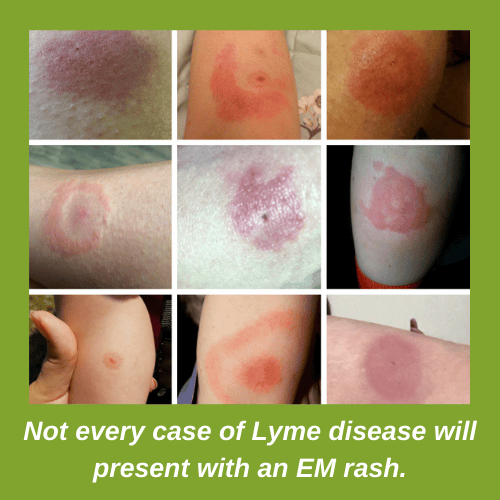
Lyme Disease Τι Ειναι a multisystem infection caused by the spirochete Borrelia burgdorferi, transmitted through the bite of infected blacklegged ticks (Ixodes species). The disease follows a triphasic progression: early localized (weeks 1–4), early disseminated (weeks 4–12), and late disseminated (months to years). The hallmark early symptom is erythema migrans (EM)—a bull’s-eye rash—but only ~70% of patients develop it, complicating diagnosis. Without treatment, the bacterium spreads via the bloodstream, infiltrating joints, the heart, and the central nervous system, triggering inflammation and tissue damage.
The global burden is staggering. Europe reports over 85,000 confirmed cases annually, with Germany, Austria, and Sweden as hotspots, while Asia sees rising cases in China and Japan due to climate-driven tick expansion. The World Health Organization (WHO) warns that Lyme is the most common vector-borne disease in the Northern Hemisphere, yet underreporting skews true prevalence. What’s clear is that Lyme Disease Τι Ειναι no longer confined to rural areas; urban sprawl and global travel have turned it into a modern epidemic.
Historical Background and Evolution
The first documented outbreak occurred in 1975 in Old Lyme, Connecticut, where clusters of juvenile rheumatoid arthritis cases baffled doctors. Epidemiologist Willy Burgdorfer later identified the spirochete in ticks, linking it to the mystery illness. By the 1980s, Lyme had become a public health priority, but missteps in early research—such as overestimating vaccine efficacy—led to its withdrawal in 2002, leaving patients vulnerable. Meanwhile, the ticks themselves evolved, developing resistance to pesticides and adapting to warmer climates, fueling their spread.
Cultural narratives also shaped the disease’s perception. In Europe, Lyme was initially dismissed as a "rich-person’s disease" due to its association with affluent suburbs, while in the U.S., skepticism persisted until the 1990s, when celebrity cases (like actor Alec Baldwin’s public battle) forced mainstream recognition. Today, Lyme Disease Τι Ειναι is recognized as a zoonotic disease—transmitted from animals (deer, rodents) to humans—highlighting its ecological roots. Yet, the lack of a gold-standard diagnostic test (like PCR for COVID-19) means many cases slip through the cracks, perpetuating the cycle of neglect.
Core Mechanisms: How It Works
The pathogenicity of Borrelia burgdorferi hinges on its ability to evade the immune system through antigenic variation—constantly altering its surface proteins to dodge antibodies. Once in the bloodstream, it binds to host tissues via adhesins, triggering inflammatory responses that damage nerves, cartilage, and cardiac muscle. The bacterium’s outer surface protein (OspA) also helps it survive within ticks, ensuring transmission efficiency. Unlike viruses, which rely on host cells to replicate, Borrelia thrives independently, making it harder to target with antibiotics.
Chronic Lyme arises when treatment fails to eradicate persistent bacterial reservoirs, often due to late-stage diagnosis or biofilm formation. These biofilms—protective bacterial colonies—create a sanctuary where antibiotics struggle to penetrate, leading to relapses. Emerging research suggests Borrelia may also co-infect with other tick-borne pathogens (e.g., Anaplasma, Babesia), exacerbating symptoms. The result? A perfect storm of misdiagnosis, delayed treatment, and long-term disability for thousands.
Key Benefits and Crucial Impact
Understanding Lyme Disease Τι Ειναι isn’t just about identifying symptoms—it’s about recognizing the ripple effects on individuals and healthcare systems. Early intervention can prevent permanent damage, yet the average delay in diagnosis exceeds six months, often after patients visit multiple doctors. The economic toll is equally staggering: the CDC estimates Lyme-related costs exceed $1.3 billion annually in the U.S., including lost productivity and medical expenses. For patients, the impact is personal—chronic pain, cognitive impairment, and social isolation redefine quality of life.
Yet, awareness campaigns and advances in serological testing (like C6 peptide assays) are slowly turning the tide. Countries like Germany now mandate Lyme testing for certain symptoms, reducing misdiagnosis rates. The key benefit? Proactive measures—such as tick checks, permethrin-treated clothing, and vaccine research—can curb transmission before it starts. The message is clear: Lyme Disease Τι Ειναι preventable, but only if society treats it with the urgency it deserves.
"Lyme is the great imitator—it mimics diseases we understand, making it invisible until it’s too late."
—Dr. Eva Sapi, Yale School of Public Health
Major Advantages
- Early Detection Saves Lives: Recognizing erythema migrans or flu-like symptoms within 30 days of a tick bite increases treatment success rates to over 90%. Delayed diagnosis risks irreversible nerve damage.
- Antibiotic Efficacy in Acute Stages: Doxycycline or amoxicillin can cure early Lyme, but chronic cases may require prolonged IV therapy (e.g., ceftriaxone) to penetrate biofilms.
- Tick Prevention Reduces Risk: Simple measures—using EPA-approved repellents, avoiding leaf litter, and conducting daily tick checks—can slash transmission by up to 70%.
- Vaccine Hope on the Horizon: While the LymeVax vaccine was withdrawn, new candidates (e.g., VLA15) are in Phase 3 trials, offering a potential breakthrough for high-risk populations.
- Global Surveillance Improves Outcomes: Countries with mandatory reporting (e.g., Sweden) achieve faster interventions, reducing long-term disability cases by 40%.

Comparative Analysis
| Factor | Lyme Disease Τι Ειναι | Other Tick-Borne Illnesses |
|---|---|---|
| Primary Pathogen | Borrelia burgdorferi (spirochete) | Anaplasma, Babesia, Ehrlichia (bacteria/protozoa) |
| Transmission Vector | Blacklegged ticks (Ixodes spp.) | Same ticks, but Anaplasma also spreads via lone star ticks |
| Diagnostic Challenge | Serology unreliable in early stages; PCR limited to joint fluid | Blood tests (e.g., IgM/IgG for Anaplasma) more straightforward |
| Treatment Duration | 2–4 weeks (acute); months (chronic) | 1–2 weeks (antibiotics like azithromycin) |
Future Trends and Innovations
The next decade may redefine Lyme Disease Τι Ειναι through technological leaps. CRISPR-based diagnostics could enable rapid, point-of-care testing, eliminating the weeks-long lab delays that plague current methods. Meanwhile, monoclonal antibodies targeting Borrelia’s outer surface proteins are in preclinical trials, offering a potential alternative to antibiotics for resistant strains. On the prevention front, gene-edited ticks (e.g., Wolbachia-infected populations) could disrupt transmission cycles, though ethical concerns linger.
Climate change will further reshape the landscape. Rising temperatures expand tick habitats, pushing Lyme into new regions like Canada and Australia. Urbanization compounds the issue, as deer populations encroach on cities. The solution? Integrated surveillance systems combining AI-driven tick tracking with public health alerts. The goal isn’t just to treat Lyme—it’s to predict and prevent its spread before it becomes unmanageable.
Conclusion
Lyme Disease Τι Ειναι a silent crisis, one that thrives on ignorance and delay. The science is clear: early action prevents devastation, yet systemic barriers—from diagnostic gaps to medical skepticism—keep patients suffering. The good news? Progress is being made. Research into long-acting antibiotics, vaccine candidates, and ecological interventions offers hope. But without sustained public awareness and policy changes, the battle against Lyme will remain uphill.
The time to act is now. Whether you’re a hiker, a parent, or a policymaker, understanding Lyme Disease Τι Ειναι isn’t optional—it’s a necessity. The ticks are already here. The question is whether society will meet them with preparedness or complacency.
Comprehensive FAQs
Q: Can Lyme Disease Τι Ειναι be transmitted person-to-person?
A: No. Lyme spreads exclusively through tick bites. However, co-infections (e.g., Babesia) can complicate symptoms, mimicking other illnesses.
Q: Are there natural remedies for Lyme Disease Τι Ειναι?
A: While some patients report benefits from herbal supplements (e.g., andrographis, cat’s claw), no natural remedy replaces antibiotics. Always consult a doctor before trying alternatives.
Q: Why do some Lyme tests return false negatives?
A: Early-stage Lyme triggers weak antibody responses, making serology unreliable. The CDC recommends clinical assessment (e.g., rash evaluation) over test results alone.
Q: Can pets get Lyme Disease Τι Ειναι?
A: Yes. Dogs and cats can contract Lyme via ticks, showing symptoms like lameness or fever. Veterinary vaccines (e.g., LymeVax for dogs) exist but aren’t 100% effective.
Q: What’s the most effective tick repellent?
A: The EPA recommends permethrin-treated clothing (lasts 6 weeks) and DEET (20–30%) or picaridin (20%) for skin. Natural options like oil of lemon eucalyptus are less effective but safer for children.
Q: How does climate change affect Lyme Disease Τι Ειναι?
A: Warmer winters extend tick survival, while increased rainfall boosts deer populations—key hosts. Models predict a 20% rise in U.S. Lyme cases by 2030 without intervention.
Q: Is chronic Lyme a real condition?
A: Yes. Persistent symptoms (e.g., fatigue, neuropathy) post-treatment are recognized by the CDC as Post-Treatment Lyme Disease Syndrome (PTLDS), though its cause remains debated.
Q: Are there Lyme-safe regions?
A: No. While some areas (e.g., deserts) have low tick populations, urban parks and suburban edges are emerging hotspots. Vigilance is key year-round.
Q: Can Lyme Disease Τι Ειναι cause neurological damage?
A: Absolutely. Late-stage Lyme can lead to meningitis, encephalopathy, or peripheral neuropathy, requiring aggressive IV antibiotics.
Q: Why is Lyme underreported in some countries?
A: Factors include lack of mandatory reporting (e.g., U.S. relies on voluntary data), rural healthcare gaps, and cultural stigma associating it with "outdoor lifestyles."
Leave a Comment
Comments are moderated before appearing. The data you submit is processed according to the Privacy Policy of Vetlife Archive.