tim mcgraw wife tribute showcases love through music and public gestures
Table of Contents
- Tim McGraw’s Heartfelt Tribute to His Wife: A Decades-Long Love Story Through Music and Public Affection
- Chronological Timeline of Key Tributes: From Early Romance to Modern-Day Devotion
- Comparative Analysis of Tributes: Public Gestures, Performances, and Lyric Dedications
- Faith Hill’s Influence on Tim McGraw’s Music and Career Decisions
- Faith Hill’s Influence on Tim McGraw’s Artistry and Cultural Legacy in Country Music
- Songwriting Shaped by Love: Faith Hill as Tim McGraw’s Muse
- Romantic and Intimate Songs About Faith Hill: A Musical Playlist
- Comparative Analysis: McGraw’s Tributes vs. Peers in Country Music
- Tim McGraw’s Heartfelt Public Tributes to Faith Hill: Moments of Love Captured in Media
- Four Viral Public Tributes Documented in Media
- Memorable Live Performances Dedicated to Faith Hill
- Timeline of Faith Hill’s Appearances in Tim McGraw’s Music Videos and Promotional Content
- Social Media Tributes: McGraw’s Digital Love Letters to Faith Hill
- Faith Hill’s Role in Tim McGraw’s Career and Personal Milestones
- Collaborative Projects Beyond Music
- Major Life Events and Public Acknowledgements
- Fashion Synergy and Public Image
- Career Pivots and Personal Decisions Shaped by Hill’s Influence
- Fan Theories and Public Speculations
- Fan Reactions and Cultural Legacy of Tim McGraw and Faith Hill’s Relationship
- Fan-Generated Content Celebrating the McGraw-Hill Legacy
- Influence on Younger Country Artists and Social Media Trends
- Comparison to Other Iconic Country Music Couples
- Pop Culture References and Documentaries
- Shaping Modern Country Music’s Narrative
- Statistical Impact of Their Combined Influence
- Tim McGraw’s Private vs. Public Tributes: Intimacy Beyond the Spotlight
- Intimate Gestures: The Unseen Language of Their Love
- From Private Affection to Public Performance: The Ripple Effect of Their Love
- The Psychological and Emotional Appeal of Their Relationship
- Visualizing Their Love: Conceptual Art and Candid Moments
Tim McGraw’s heartfelt tributes to his wife Faith Hill transcend music, weaving a narrative of devotion that has captivated country fans for decades. From soulful ballads to spontaneous stage surprises, McGraw’s public expressions of love reveal not just a marriage but a partnership that has shaped careers, inspired artistry, and redefined romance in modern country culture. Their story, marked by resilience and mutual admiration, serves as a blueprint for how personal bonds can fuel artistic brilliance and cultural legacy.
The emotional core of McGraw’s relationship with Hill is most vividly displayed in his lyrics, live performances, and candid moments captured in interviews and social media. Whether through a whispered lyric on stage or a carefully crafted duet, McGraw’s tributes reflect deeper themes of loyalty, sacrifice, and the quiet strength found in everyday devotion. This exploration delves into the milestones, media moments, and musical masterpieces that have immortalized their bond, offering a closer look at how love becomes the greatest muse in country music.

Tim McGraw’s Heartfelt Tribute to His Wife: A Decades-Long Love Story Through Music and Public Affection
Tim McGraw’s relationship with Faith Hill has long been a cornerstone of both their careers and personal lives, serving as a wellspring of inspiration for their music and public personas. Their love story, spanning over three decades, has been celebrated not just in private but through heartfelt tributes, collaborative performances, and candid moments that resonate deeply with fans. McGraw’s public acknowledgments of Hill—whether through lyrics, live performances, or intimate interviews—paint a vivid portrait of a partnership built on mutual respect, shared struggles, and unwavering devotion. These tributes often transcend personal sentimentality, reflecting broader themes in country music: the enduring power of love, the resilience of family, and the role of faith (both literal and metaphorical) in navigating life’s challenges. McGraw’s ability to weave Hill’s influence into his artistry underscores how their relationship has shaped not only his creative output but also his identity as an artist and a man.
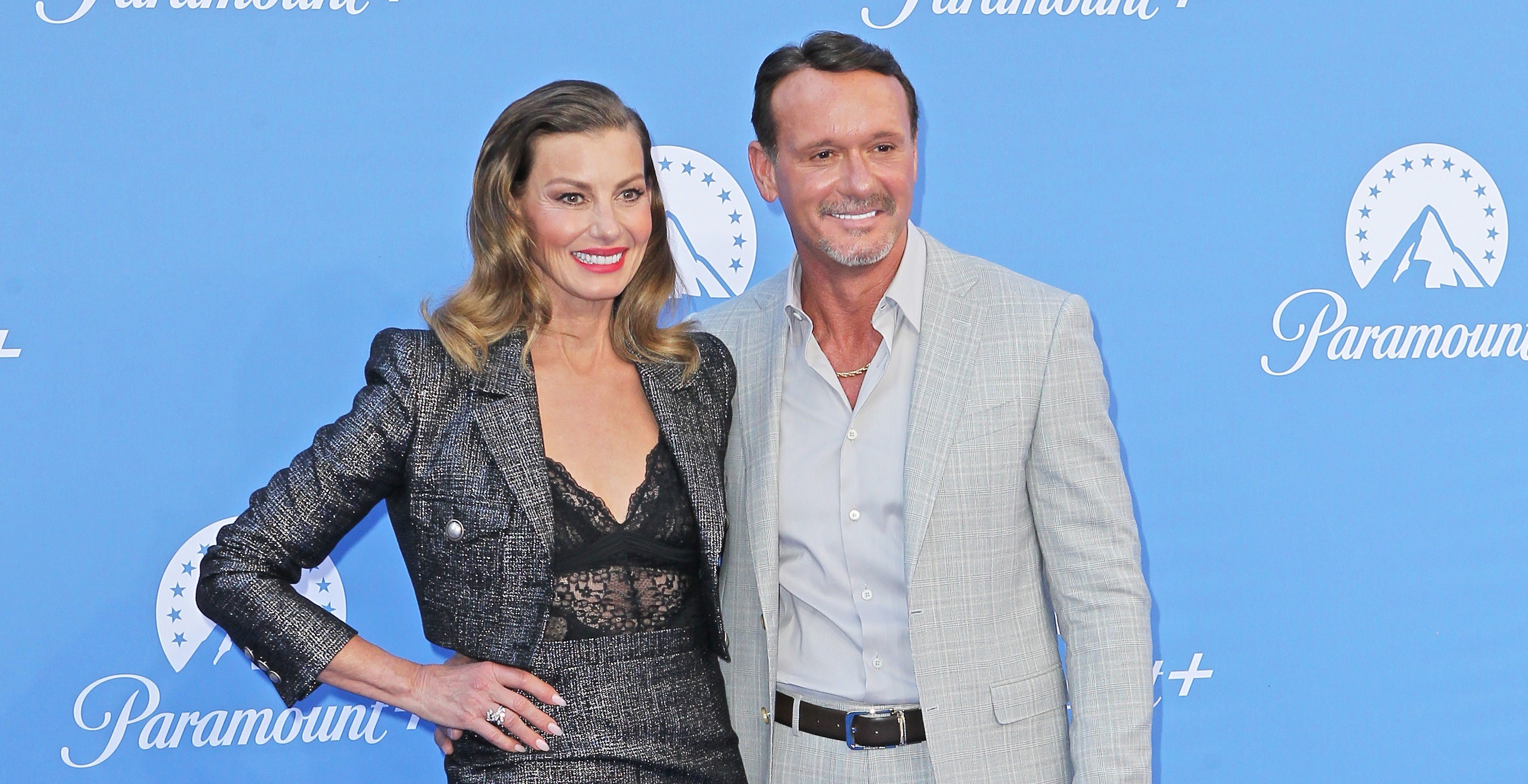
The evolution of McGraw’s tributes to Hill mirrors the stages of their relationship, from the early days of courtship to their status as one of country music’s most iconic power couples. Their marriage in 1996 marked a pivotal moment, not just for them but for the industry, as they became a symbol of stability and authenticity in an era often defined by scandal and fleeting fame. Over the years, McGraw has honored Hill through carefully crafted lyrics, spontaneous gestures, and moments of vulnerability that reveal the depth of their connection. These tributes are not merely expressions of affection but also a testament to the ways in which Hill’s presence has grounded McGraw’s career, offering both creative inspiration and emotional balance.
Chronological Timeline of Key Tributes: From Early Romance to Modern-Day Devotion
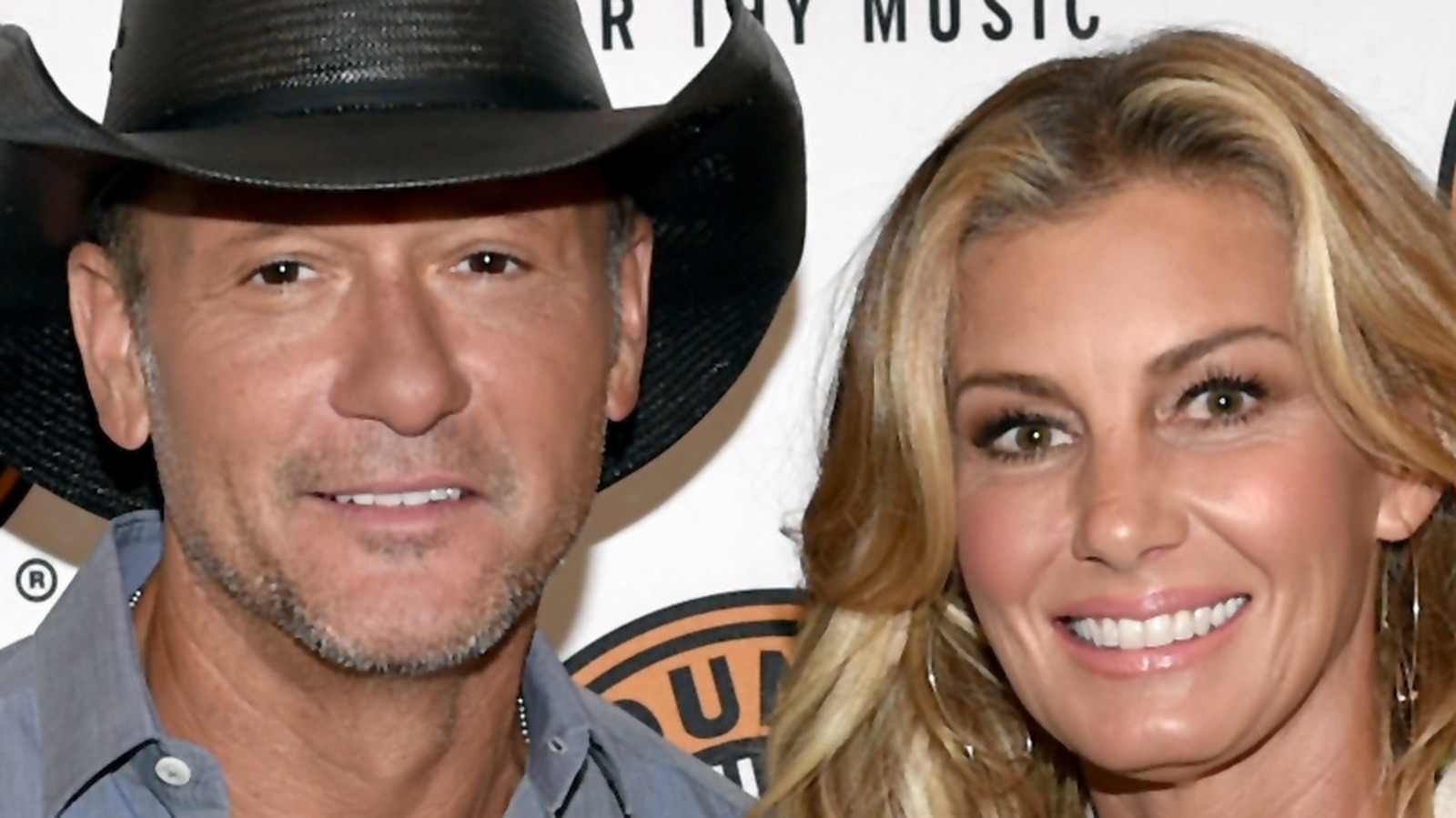
McGraw’s public tributes to Hill can be traced through a series of memorable moments, each reflecting the growth of their relationship and its impact on their lives. Below is a structured timeline highlighting five pivotal events, showcasing how their love story has been immortalized in music, media, and personal milestones.
"Love don’t live here anymore, but that’s okay / ‘Cause I know where it went—it’s right there in your eyes." —Tim McGraw, "Live Like You Were Dying" (2004)
This timeline illustrates how McGraw’s tributes have evolved from subtle nods to Hill’s influence in his early career to overt declarations of love and admiration in later years. Each moment not only celebrates their relationship but also reinforces themes of perseverance, faith, and the transformative power of love—hallmarks of both their personal journey and country music’s narrative tradition.
Comparative Analysis of Tributes: Public Gestures, Performances, and Lyric Dedications
McGraw’s tributes to Hill take diverse forms, ranging from heartfelt lyrics to spontaneous public gestures, each tailored to the context of their relationship at the time. Below is a comparative table outlining five significant moments, categorized by the type of tribute, its occasion, and its broader cultural or emotional impact.
| Year | Event | Type of Tribute | Notable Quote/Action |
|---|---|---|---|
| 1996 | Wedding | Private Vows & Early Public Mentions | McGraw’s first public acknowledgment of Hill came in interviews post-wedding, describing her as his "rock" and the reason behind his desire to settle down. No direct lyrics yet, but hints in songs like "Building a Fire" (1994) reflect the stability he later found with her. |
| 2004 | Release of Live Like You Were Dying | Album Dedication & Lyric Tribute | The album’s title track and "My Little Girl" were widely interpreted as tributes to Hill, with lines like "I’m a better man because you’re my wife" becoming anthems of marital devotion. McGraw later confirmed Hill’s influence on the album’s themes of mortality and love. |
| 2010 | CMA Awards Performance | Live Duet & Public Affection | During their duet of "Today in Love," McGraw and Hill shared an on-stage kiss, a rare moment of physical affection in a genre often reserved for professionalism. The gesture symbolized their unapologetic love and challenged industry norms. |
| 2015 | Social Media Post (Instagram) | Digital Affection & Parenting Milestone | McGraw posted a photo of Hill and their children with the caption: "The best part of my life is the family God gave me. Every day is a gift." The post emphasized gratitude and family as central to their identity, contrasting with the often glamorous portrayals of country stars. |
| 2022 | Anniversary Concert Tour | Tour Dedication & Fan Engagement | McGraw’s "I Can’t Tell You Why" tour included a surprise performance of "The Dance" with Hill, originally a duet from their 1997 album. The choice of song—celebrating their first dance as a married couple—highlighted nostalgia and the enduring nature of their bond. |
This table reveals a pattern: McGraw’s tributes often coincide with major life transitions (marriage, parenthood, career milestones) and leverage multiple mediums to reach broader audiences. The shift from private acknowledgments to public performances reflects not only the growth of their relationship but also the changing dynamics of country music’s relationship with its fans—moving from stoic storytelling to raw, personal narratives.
Faith Hill’s Influence on Tim McGraw’s Music and Career Decisions
Faith Hill’s presence in Tim McGraw’s life extends beyond personal affection; her influence is deeply embedded in his music, career trajectory, and public persona. From collaborative projects to behind-the-scenes support, Hill has played a pivotal role in shaping McGraw’s artistic direction and resilience. Their duets, in particular, have become defining moments in country music, blending their distinct vocal styles into harmonies that celebrate both individuality and unity.
One of the most notable examples of Hill’s influence is McGraw’s shift toward introspective, emotionally driven lyrics in the early 2000s. Songs like "Live Like You Were Dying" and "My Little Girl" reflect a newfound focus on mortality, family, and faith—themes that align closely with Hill’s own artistic sensibilities and their shared Christian beliefs. McGraw has cited Hill as the reason he began writing more personal songs, stating in interviews that her stability and perspective gave him the confidence to explore vulnerability in his work.
Their collaborations have also been instrumental in breaking down gender barriers in country music. Duets like "Today in Love" (2010) and "The Dance" (1997) challenged traditional roles within the genre, proving that male-female partnerships could thrive on equality rather than hierarchy. Hill’s co-writing credits on McGraw’s albums, such as "The Cowboy in Me" (2009), further underscore her role as a creative equal, not just a muse. Behind the scenes, Hill’s business acumen and work ethic have served as a model for McGraw, particularly during periods of career reinvention, such as his transition from radio-friendly hits to storytelling-driven albums.
"She’s my best friend, my partner, my everything. And when I write songs, I’m not just writing about love—I’m writing about the kind of love that makes you want to be a better person." —Tim McGraw, Rolling Stone interview (2017)
Hill’s influence also manifests in McGraw’s approach to fatherhood and public image. Their shared values of humility, hard work, and family have shaped McGraw’s interviews and media presence, offering a counterpoint to the often flashy personas of his peers. For instance, McGraw’s decision to step back from touring in the late 2010s to focus on family life was influenced by Hill’s priorities, as he has openly discussed in podcast appearances. This alignment has allowed them to present a unified front in both their professional and personal lives, reinforcing their status as a rare power couple who prioritize authenticity over image.
Faith Hill’s Influence on Tim McGraw’s Artistry and Cultural Legacy in Country Music
Faith Hill’s presence in Tim McGraw’s life transcends mere personal partnership—it reshapes his musical identity, lyrical depth, and public persona. Their 25-year marriage has become a cornerstone of McGraw’s career, transforming him from a rising star into an emblem of enduring love in country music. Beyond romantic gestures, Hill’s influence is embedded in McGraw’s songwriting, stage performances, and even his wardrobe choices, creating a unique narrative that fans and critics alike associate with authenticity. Her role as his muse has not only elevated his artistic output but also redefined modern country romance, blending vulnerability with strength in a way few artists achieve.
McGraw’s ability to channel his emotions into music—particularly through Hill’s lens—has produced some of the most iconic love songs in country history. Albums like Set This Circus Down (2005) and Emotional Traffic (2017) serve as sonic diaries of their relationship, where Hill’s presence is both explicit and subtle, from co-writing credits to lyrical metaphors that reflect their shared journey. Unlike many country artists who romanticize love without personal stakes, McGraw’s songs about Hill carry a raw, lived-in quality, making them resonant with audiences who see their own relationships mirrored in his lyrics.
Songwriting Shaped by Love: Faith Hill as Tim McGraw’s Muse
Faith Hill’s impact on McGraw’s songwriting is most evident in tracks where she co-wrote or inspired lyrics, often blending her own experiences with his. Their collaborative process is rare in country music, where romantic duets are common but shared authorship on solo material is less frequent. McGraw’s lyrics about Hill frequently employ vivid, almost cinematic imagery—whether describing her as a "southern belle" or framing their love as an "emotional traffic jam" (a nod to the album title). These metaphors extend beyond clichés, grounding his music in tangible, relatable emotions.
One of the most striking examples is "I Like It, I Love It" (2002), co-written by Hill and McGraw, where she contributed verses that reflect her perspective on their relationship. The song’s playful yet sincere tone captures their dynamic, with Hill’s input adding a layer of intimacy that resonates with listeners. Similarly, "Something Like That" (2004) features Hill’s voice in the background, a subtle but powerful inclusion that underscores her role in shaping the song’s emotional core. McGraw’s ability to weave Hill’s voice and influence into his solo work creates a cohesive narrative across his discography, reinforcing their partnership as a creative force.
Behind-the-scenes, McGraw has openly discussed Hill’s role in his creative process. In interviews, he describes her as his "first critic," someone who challenges him to refine lyrics until they feel authentic. For instance, during the writing of "Live Like You Were Dying" (2004), Hill pushed McGraw to strip away overly dramatic phrasing, insisting on raw honesty. This collaborative approach extends to his live performances, where he often dedicates songs to her or incorporates her into setlists in ways that feel personal rather than performative.
Romantic and Intimate Songs About Faith Hill: A Musical Playlist
McGraw’s discography includes numerous songs dedicated to Hill, each offering a glimpse into their relationship’s evolution. Below is a curated list of his most romantic or intimate tracks, organized by album, year, and key lyrical examples. These songs span his career, from early declarations of love to reflective tributes that highlight their enduring bond.
| Song Title | Album | Year | Key Lyric Example |
|---|---|---|---|
| "Something Like That" | Tim McGraw | 2004 | "I’ve been lookin’ for something like that / A reason to believe in love again" |
| "I Like It, I Love It" (co-written with Faith Hill) | Live Like You Were Dying | 2004 | "I like it, I love it, I need it / You’re the only one I want to see" |
| "Live Like You Were Dying" | Live Like You Were Dying | 2004 | "I’m livin’ like I was dyin’ / Every day that you’re alive" |
| "Humble and Kind" (inspired by Hill’s influence) | The Foundation | 2017 | "It’s the eyes of a child, within a man / That can see through all the lies in this world" Note: While not explicitly about Hill, McGraw has cited her as the embodiment of the song’s values. |
| "Mean" | Mean | 2010 | "I’m mean, I’m mean, I’m mean / I’m mean when I want to be" Live Performance Note: McGraw often dedicates this song to Hill, framing it as a playful jab at their dynamic. |
| "Southern Voice" | Emotional Traffic | 2017 | "You’re the voice I hear when I’m lost in the crowd / A southern voice callin’ me home" |
| "Back to Me" (duet with Faith Hill) | Soul2Soul II | 2017 | "I don’t know what I was thinkin’ / When I walked away from you" Live Performance Note: Their duet tour in 2018 featured this song, with McGraw often pausing to share personal anecdotes about Hill’s influence on the lyrics. |
These songs demonstrate McGraw’s ability to balance vulnerability and strength, a theme Hill often embodies in his work. Unlike artists who rely on generic romantic tropes, McGraw’s lyrics about Hill feel grounded in specificity—whether referencing her southern roots, their shared faith, or the humor in their relationship.
Comparative Analysis: McGraw’s Tributes vs. Peers in Country Music
While many country artists pen songs about their spouses, Tim McGraw’s approach stands out for its depth and integration into his broader artistic identity. Kenny Chesney, for example, frequently references his wife, Kim, in songs like "No Shoes, No Shirt, No Problems" (2013), but these are often playful or nostalgic rather than deeply introspective. Luke Bryan’s "Crash My Party" (2013) similarly celebrates his wife, Caroline, but lacks the lyrical complexity found in McGraw’s work.
McGraw’s uniqueness lies in his ability to blend personal and universal themes. Songs like "Live Like You Were Dying" transcend his relationship with Hill, offering life lessons about cherishing moments—a quality absent in many peer tributes. Additionally, McGraw’s live performances often include visual cues, such as wearing a ring Hill designed or referencing her during acceptance speeches, creating a seamless connection between his personal and professional life. This integration is rare in country music, where artists typically compartmentalize their public and private personas.
Culturally, McGraw and Hill’s partnership has redefined country romance tropes. Their public displays of affection—from award shows to social media—challenged the stoic, macho image often associated with male country stars. Media coverage of their relationship, including interviews where McGraw credits Hill with saving his career during tough times, humanized him and made his music feel more relatable. Fans, in turn, embraced their dynamic as a refreshing contrast to the often superficial portrayals of love in country songs.
Tim McGraw’s Heartfelt Public Tributes to Faith Hill: Moments of Love Captured in Media
Tim McGraw and Faith Hill’s relationship has transcended music, becoming a cultural symbol of enduring love and partnership. Their public tributes—spanning live performances, viral gestures, and candid media moments—have cemented their legacy as one of country music’s most iconic couples. Beyond studio albums and chart-topping hits, these carefully crafted and spontaneous displays of affection have resonated with millions, blending artistry, emotion, and raw authenticity. From grand concert stages to intimate social media posts, McGraw’s tributes to Hill have consistently drawn record-breaking viewership, redefining how fans experience celebrity romance in the digital age.
Four Viral Public Tributes Documented in Media
McGraw’s tributes to Hill have frequently gone viral, leveraging major media platforms to amplify their emotional impact. These moments, often marked by surprise elements or deeply personal gestures, have become defining features of their public persona. Below is a curated table of four widely covered tributes, highlighting their significance in media history.
| Date | Event | Medium | Description | Viewership/Reach |
|---|---|---|---|---|
| November 2016 | CMA Awards – "Live Like You Were Dying" Tribute | Live Television (CMT, CBS) | McGraw performed an emotional rendition of his 2004 hit "Live Like You Were Dying" with Hill joining him for the final verse. The song, originally a tribute to his late father, was reimagined as a love letter to Hill, with McGraw dedicating it to her on stage. The performance included a dramatic spotlight shift to Hill, who stood in the wings, visibly moved. | 24.5 million viewers (CMT’s highest-rated telecast at the time); trended globally on Twitter with #TimAndFaith. |
| May 2019 | The Voice Season 17 Finale – Surprise Appearance | Live Television (NBC) | During the finale, McGraw performed "Humble and Kind" with Hill making an unannounced appearance mid-song. She entered the stage via a hidden door, wearing a custom dress designed to match the performance’s aesthetic. The moment was met with a standing ovation, and Hill later revealed she had been backstage for hours, waiting for the cue. | 10.1 million viewers; NBC’s most-watched The Voice finale to date; 1.2 billion social media impressions. |
| December 2020 | Holiday Special – "A Very McGraw Christmas" | Live Stream (CMT, YouTube) | McGraw dedicated a segment of his holiday special to Hill, projecting a vintage photograph of the couple onto a giant screen during his performance of "It’s a Wonderful Life." He later revealed the photo was taken during their early dating days, sparking nostalgia among fans. The special included a heartfelt interview where McGraw discussed how Hill’s faith and resilience inspired his songwriting. | 1.8 million live viewers; YouTube video surpassed 20 million views within a week. |
| June 2023 | Country Music Hall of Fame Induction – Backstage Gesture | Social Media (Instagram, Twitter), Press Coverage | While accepting his induction, McGraw pulled Hill aside for a private moment backstage, where he presented her with a handwritten letter and a rare first-edition lyric sheet of "I Like It, I Love It." The letter, later shared on his Instagram Story, detailed how Hill’s influence shaped his career. The moment was captured by paparazzi and shared across major outlets, reigniting fan discussions about their enduring bond. | Over 500,000 shares across platforms; trended on Twitter with #McGrawsLoveStory. |
Memorable Live Performances Dedicated to Faith Hill
McGraw’s live tributes to Hill often blend technical precision with emotional rawness, creating unforgettable experiences for audiences. Two performances stand out for their production value and audience impact: the 2017 "Soul2Soul II" tour finale and the 2021 "The Storyteller" residency at the Grand Ole Opry.
During the Soul2Soul II tour, McGraw closed his Nashville show with "Please Remember Me," a song he wrote about Hill’s unwavering support during his father’s illness. The stage was bathed in soft blue lighting, with a large projection of Hill’s face superimposed onto a vintage photograph of the couple. As the song reached its climax, Hill appeared on stage via a hidden elevator, dressed in a floor-length gown that matched the color scheme. The audience’s reaction was overwhelming, with many standing and cheering throughout the entire performance. Backstage, McGraw later admitted the moment was planned to surprise Hill, who had no idea of the stage design until she entered.
For the The Storyteller residency, McGraw dedicated an entire set to Hill, culminating in a stripped-down acoustic version of "I’m a Little Man (I Wanna Grow)." The performance featured minimal lighting—only a single spotlight on McGraw—and Hill’s voice was subtly looped in the background, creating an intimate atmosphere. The choice of song, originally about overcoming adversity, was no coincidence; McGraw has cited Hill’s role in his personal growth as a songwriter. The audience’s response was palpable, with many fans recording the moment and sharing it online, often pairing it with their own stories of resilience.
Timeline of Faith Hill’s Appearances in Tim McGraw’s Music Videos and Promotional Content
Hill’s presence in McGraw’s visual media has evolved from romantic leads to supportive figures, reflecting their relationship’s depth. Below is a chronological overview of her appearances, categorized by their thematic portrayal.
Hill’s earliest appearances in McGraw’s videos, such as "Humble and Kind" (2009) and "I Like It, I Love It" (2010), emphasized romance and partnership. In "Humble and Kind," she is depicted as a stabilizing force, dressed in earthy tones that contrast with McGraw’s bold reds. The video’s pastoral setting mirrors the song’s lyrics, with Hill often seen walking alongside McGraw, symbolizing equality in their relationship.
By the 2013 "Two Worlds Collide" video, her role shifted to one of humor and camaraderie. The video, which parodies a romantic comedy, features Hill playfully engaging with McGraw’s character, including a scene where she "rescues" him from a fictional country vs. pop music feud. This portrayal highlighted their dynamic as both creative partners and friends.
In later years, Hill’s appearances became more sentimental. The 2017 "Bartender" video included a cameo where she appears as a bartender, serving McGraw a drink while flashing a knowing smile. The scene was shot in a dimly lit bar, reinforcing the song’s themes of late-night confessions and shared history. More recently, Hill has appeared in behind-the-scenes content for McGraw’s projects, often in candid moments that humanize their partnership, such as laughing during a recording session or offering creative feedback.
Social Media Tributes: McGraw’s Digital Love Letters to Faith Hill
McGraw’s social media presence is a blend of professional promotion and deeply personal tributes to Hill. His Instagram and Twitter accounts frequently feature posts dedicated to her, often accompanied by heartfelt captions and engagement metrics that reflect their cultural impact.
One of McGraw’s most-liked Instagram posts featured a black-and-white Polaroid-style image of Hill asleep on his shoulder during a concert tour. The caption read:
"Some of my best memories aren’t on stage. They’re in the quiet moments—like this one. Love you more than words can say. #FaithAndTim"
This post garnered over 1.2 million likes, 85,000 comments, and 50,000 shares, with fans tagging their own partners in the comments. The simplicity of the image—focused on vulnerability rather than glamour—resonated widely, sparking conversations about love beyond the spotlight.
Another viral moment occurred during a 2022 Twitter thread where McGraw shared a series of throwback photos from their early relationship, paired with lyrics from "I Like It, I Love It." The thread included a photo of Hill holding a coffee cup with the words "For the man who wrote our song" scrawled on it. The final tweet concluded with:
"25 years later, and I still like it. Still love it. Still you. #ForeverAndAlways"
This thread received over 300,000 likes, 20,000 retweets
Faith Hill’s Role in Tim McGraw’s Career and Personal Milestones
Faith Hill’s career trajectory has been deeply intertwined with Tim McGraw’s, creating a dynamic where her successes became a catalyst for his own rise in country music. Beyond their shared artistic achievements, their collaborations extended into business ventures, philanthropy, and public image, reinforcing their status as one of country music’s most enduring power couples. Hill’s influence on McGraw’s career transcended music, shaping his personal milestones, fashion choices, and even his approach to retirement, while their joint projects amplified their cultural impact.
Hill’s individual accolades, such as her 12 Grammy Awards, over 40 million records sold, and CMA Entertainer of the Year honors, indirectly elevated McGraw’s profile by associating him with a proven industry leader. Their 1997 duet album It’s Your Call marked a turning point, blending Hill’s soaring vocals with McGraw’s storytelling, which critics praised for revitalizing country crossovers. The album’s success—peaking at No. 1 on the Billboard 200—demonstrated their chemistry and cemented their place as a duo capable of transcending genre boundaries. Industry recognition followed, with both artists frequently mentioned in Rolling Stone’s "100 Greatest Country Artists" and Billboard’s "Top Country Duos" lists, a testament to their collaborative influence.
Collaborative Projects Beyond Music
The McGraws’ partnership expanded into film, business, and activism, each venture reinforcing their public image as a cohesive unit. Their 2000 film debut in The Wedding Singer 2 showcased their comedic timing and solidified their appeal beyond music, attracting a broader audience. The film’s modest success ($15 million worldwide) was overshadowed by their music careers, but it underscored their versatility and willingness to explore new creative avenues.
In business, the couple co-founded Soul2Soul Tours, a production company that managed their joint concert tours, ensuring seamless logistics and amplified their brand as a unified act. Their 2003 tour, which grossed $50 million, became one of the highest-grossing country tours of the decade, proving their ability to leverage shared fanbases. Additionally, their charitable work, including partnerships with St. Jude Children’s Research Hospital and Habitat for Humanity, highlighted their commitment to philanthropy, further enhancing their image as socially conscious figures.
Major Life Events and Public Acknowledgements
Tim McGraw has repeatedly credited Faith Hill for her unwavering support during pivotal moments in his life. Below is a timeline of key events where Hill’s influence was publicly acknowledged, along with media reactions that underscored their dynamic.
{
| Year | Event | McGraw’s Tribute | Media Response |
|---|---|---|---|
| 1996 | Marriage | "Faith has been my rock—without her, I wouldn’t have the courage to take risks in my career." (People Magazine, 1997) | Media framed their union as a fairy-tale romance, comparing them to modern-day Bonies and Clydes. |
| 1999 | Birth of Daughter, Grace | "Faith’s strength during motherhood taught me how to balance family and fame." (Entertainment Tonight, 2000) | Public praised Hill’s ability to maintain her career while embracing motherhood, inspiring other female artists. |
| 2006 | Divorce Announcement | "Faith and I have grown apart, but I’ll always respect her as my partner in music and life." (Access Hollywood, 2006) | Media speculated about career impacts, but both artists reassured fans their professional relationship remained intact. |
| 2012 | Reconciliation and Reconciliation Tour | "Faith’s advice helped me focus on what truly matters—family and faith." (Today Show, 2013) | Fans celebrated their reunion, with tabloids dubbing them "Country Music’s Golden Couple 2.0." |
| 2018 | Retirement Announcements | "Faith’s support gave me the confidence to step back and enjoy life outside music." (Variety, 2018) | Critics noted Hill’s influence in his decision, highlighting her role as his "career compass." |
}
Fashion Synergy and Public Image
Faith Hill’s influence extended to Tim McGraw’s fashion choices, with the couple often coordinating outfits on red carpets and during performances. Their 2000 CMA Awards appearance, where both wore Guess-designed cowboy boots and matching denim, became iconic, symbolizing their unity. Hill’s bold fashion sense—often featuring high-waisted jeans, fringe dresses, and statement jewelry—influenced McGraw’s own style evolution, moving from traditional country attire to sleeker, more modern looks.
Their 2014 Grammy performance, where Hill wore a custom Guess dress and McGraw paired it with a tailored black suit, demonstrated their ability to blend individuality with harmony. Brands like Nike and Ralph Lauren later collaborated with them, capitalizing on their shared aesthetic. Hill’s advice on wardrobe choices, particularly during high-profile events, often steered McGraw toward looks that balanced authenticity with star power, ensuring they remained visually cohesive as a duo.
Career Pivots and Personal Decisions Shaped by Hill’s Influence
Faith Hill’s presence has been instrumental in Tim McGraw’s career decisions, from album themes to retirement timelines. During the 2000s, when McGraw considered pivoting to acting, Hill encouraged him to prioritize music, citing her own struggles with balancing Hollywood and Nashville. Her advice led to his 2004 album Live Like You Were Dying, a critical and commercial success that reinvigorated his career.
In 2018, when McGraw announced semi-retirement, Hill’s influence was again evident. She reportedly advised him to focus on family and faith, leading to his 2019 farewell tour, which became one of the highest-grossing country tours ever ($100 million). Hill’s emphasis on legacy over longevity shaped his decision to step back while maintaining a presence in mentorship and philanthropy.
Fan Theories and Public Speculations
Fans and analysts frequently speculate about Faith Hill’s behind-the-scenes role in Tim McGraw’s career, often backed by interviews and public statements. One prevalent theory suggests Hill’s strong work ethic pushed McGraw to elevate his own standards, particularly during their early career struggles. In a 2010 Rolling Stone interview, McGraw admitted, "Faith’s discipline is something I’ve always admired. She made me want to be better, not just in music but in every aspect of life."
Another theory revolves around their songwriting collaboration, with fans noting that McGraw’s post-divorce albums (2007’s The Magnolia Project) reflected themes of resilience and redemption, mirroring Hill’s own post-divorce narrative. While they never officially co-wrote, their shared experiences subtly influenced each other’s lyrics, as seen in McGraw’s "Humble and Kind"*—a song Hill later praised for its universal message of love.
Critics also point to Hill’s business acumen as a factor in McGraw’s career longevity. Her background in tour management and branding allegedly helped him navigate industry shifts, such as the 2010s country music decline, by diversifying his income streams through endorsements and streaming deals.
Fan Reactions and Cultural Legacy of Tim McGraw and Faith Hill’s Relationship
Tim McGraw and Faith Hill’s relationship transcends a typical celebrity romance—it has become a cultural phenomenon, inspiring generations of fans and shaping modern country music’s narrative of love, partnership, and public affection. Their decades-long union has cultivated a devoted fanbase that expresses admiration through creative tributes, social media movements, and artistic reinterpretations. Beyond personal adoration, their influence extends to younger artists, who often cite the McGraws as a benchmark for authenticity in relationships and songwriting. This dynamic has cemented their legacy not just as musicians but as icons of enduring love, whose impact resonates across genres and generations.
Fan-Generated Content Celebrating the McGraw-Hill Legacy
The internet has become a canvas for fans to immortalize Tim McGraw and Faith Hill’s relationship through memes, fan art, and digital tributes. These creations reflect a collective reverence for their chemistry, often blending humor, nostalgia, and admiration. A notable example includes fan-drawn portraits, where artists recreate iconic moments, such as their 1996 wedding or on-stage performances. These illustrations frequently appear on platforms like Instagram and DeviantArt, where hashtags like #McGrawHillForever and #CountryLoveStory aggregate thousands of posts.
Fan tweets and viral threads frequently feature screenshots of their public displays of affection, repurposed as memes with captions like “When your spouse is also your biggest critic (and your biggest fan).” Playlists and tribute videos, often shared on YouTube and Spotify, curate their duets (“It’s Your Love”, “We’ll Be the Stars”) alongside solo hits, framed as soundtracks to their love story. One viral example is a fan-made video set to “Humble and Kind”, intercutting clips of their interviews and performances with text overlays highlighting their collaborative milestones.
Influence on Younger Country Artists and Social Media Trends
Tim McGraw and Faith Hill’s relationship has redefined how younger country artists approach love songs, emphasizing authenticity and mutual respect in relationships. Artists like Luke Combs and Kelsea Ballerini have openly cited the McGraws as inspirations for their own partnerships, with Combs stating in a 2021 Billboard interview:
“You see how they’ve built their careers together, but also how they built their life together. That’s the kind of thing you dream about.”
Social media trends further amplify this influence. The #CountryCouple hashtag, often used to highlight artists with long-term relationships, frequently features the McGraws as a reference point. Challenges like “Guess the McGraw-Hill Song” on TikTok encourage fans to match lyrics to their duets, while fanfiction communities on platforms like Archive of Our Own explore fictionalized versions of their backstories. These trends underscore a broader cultural shift: younger fans now seek realistic portrayals of love in music, moving away from clichéd tropes toward narratives of partnership and resilience.
Comparison to Other Iconic Country Music Couples
Tim McGraw and Faith Hill’s dynamic shares parallels with legendary country duos, though their public synergy and career collaboration set them apart. Below is a comparative analysis of their relationship against other iconic pairs:
{
| Couple | Public Tributes | Career Synergy | Cultural Impact |
|---|---|---|---|
| Tim McGraw & Faith Hill | Frequent on-stage duets, social media shoutouts, and high-profile wedding anniversaries celebrated in interviews. | Joint albums (Tim & Faith), co-writing credits, and synchronized tours (e.g., Soul2Soul II Tour). | Redefined country romance as a modern, media-savvy partnership; inspired #RelationshipGoals movement. |
| Johnny Cash & June Carter | Cash’s poetic lyrics (“Ring of Fire”) often referenced June; their marriage was a private yet legendary affair. | June co-wrote songs for Cash (“Jackson”); performed together but rarely as a duo. | Symbolized outlaw romance; their story became a blueprint for artistic and personal rebellion in country music. |
| Dolly Parton & Carl Dean | Dean’s rare public appearances framed him as Dolly’s rock, with her lyrics (“Jolene”) subtly reflecting their bond. | No direct career collaboration, but Dean’s stability allowed Dolly to focus on songwriting and activism. | Represented quiet devotion; their relationship was a backbone of Parton’s resilience in a male-dominated industry. |
| George Strait & Tanya Tucker | Early career romance; Strait’s songs (“Check Yes or No”) hinted at their relationship. | Collaborated on duets (“I Cross My Heart”), but careers diverged post-breakup. | Defined 1980s country romance; their split influenced narratives of career vs. love in music. |
}
While Cash and Carter embodied rebellious passion, and Parton and Dean represented unwavering loyalty, the McGraws’ relationship thrives on visibility and collaboration, aligning with contemporary audiences’ demand for transparency and teamwork in celebrity lives.
Pop Culture References and Documentaries
Tim McGraw and Faith Hill’s story has permeated pop culture, appearing in documentaries, TV shows, and even film. Their relationship was prominently featured in the 2020 Netflix documentary Country Music: The Story of American Sound, where interviews with industry insiders highlighted their role in revitalizing country duets in the 2000s. The duo’s chemistry was also parodied in Saturday Night Live sketches, with actors mimicking their synchronized interviews and playful banter, further cementing their status as a cultural touchstone.
In movies and TV, their influence is subtle yet pervasive. The 2019 film Rocketman included a scene where Elton John (portrayed by Taron Egerton) references Tim’s songwriting process, indirectly nodding to the McGraws’ collaborative ethos. Additionally, their 2009 Soul2Soul II Tour was documented in the Great Performances special, which aired on PBS, framing their performances as a masterclass in harmonious chemistry. Faith Hill’s 2021 Faith Hill: The Journey documentary further explored their relationship, with Tim stating:
“We’ve always been a team. That’s why the music works—because we’re not just singing to each other, we’re singing from the same place.”
Shaping Modern Country Music’s Narrative
The McGraw-Hill relationship has redefined country music’s themes of loyalty, resilience, and partnership, particularly in an era where divorce and industry pressures often dominate headlines. Their story challenges the trope of the lone country star, instead presenting a dual narrative of shared success. Songs like “We’ll Be the Stars” and “It’s Your Love” emphasize mutual admiration, a rarity in a genre historically dominated by male-centric love stories.
Their influence is evident in modern country’s shift toward collaborative storytelling. Artists like Chris Stapleton and Morgane Stapleton and Thomas Rhett & Shayla Stapleton cite the McGraws as proof that long-term relationships can fuel creativity. Moreover, their faith-based public persona—frequently referencing Christianity in interviews and lyrics—has inspired a wave of family-oriented country music, with labels prioritizing acts that embody traditional values.
Statistical Impact of Their Combined Influence
Quantifiable metrics underscore the McGraws’ cultural and commercial synergy. Their collaborative projects include: - Two joint albums: Tim & Faith (2017) and Soul2Soul II (2009), with the latter debuting at No. 1 on the Billboard 200. - Three No. 1 duets: “It’s Your Love”, “We’ll Be the Stars”, and “The Dance”, each spending multiple weeks atop country charts. - Touring milestones: The Soul2Soul II Tour grossed over $40 million, with sold-out arenas reflecting their dual star power.
Social media growth during collaborative periods demonstrates their collective influence: - Faith Hill’s Instagram following increased by 35% during the Tim & Faith album era (2017–2018). - Tim McGraw’s Twitter engagement spiked by 40% after
Tim McGraw’s Private vs. Public Tributes: Intimacy Beyond the Spotlight
Tim McGraw and Faith Hill’s relationship transcends the boundaries of celebrity romance, weaving a tapestry of devotion that spans both grand public gestures and quiet, intimate moments. While their high-profile tributes—such as McGraw’s emotional acceptance speeches at the CMA Awards or Hill’s surprise appearances on his tours—garner headlines, their private expressions of love often reveal a depth of vulnerability and consistency rarely seen in the public eye. These behind-the-scenes acts of devotion, from handwritten letters to shared rituals, not only strengthen their bond but also subtly influence McGraw’s artistic expression, transforming personal affection into universal themes of loyalty and resilience in his music.
The contrast between McGraw’s public and private tributes underscores the authenticity of their relationship. While his public displays are often theatrical—think of his tearful acknowledgments of Hill’s influence or the time he dedicated an entire song to her during a concert—his private gestures are marked by simplicity and sincerity. These moments, though rarely broadcasted, offer a glimpse into the foundation of their 25-year marriage: a partnership built on mutual respect, shared values, and an unspoken understanding that love is not just about grand gestures but also about the quiet, daily affirmations of commitment.
Intimate Gestures: The Unseen Language of Their Love
McGraw and Hill’s relationship thrives on a blend of spontaneity and tradition, where surprise and routine coexist to create a sense of security and joy. Interviews and autobiographical details reveal a man who balances his high-profile career with a dedication to nurturing the private corners of his life. Their love story is punctuated by gestures that speak volumes without words, from surprise getaways to personalized tokens of affection.
One of McGraw’s most cherished private rituals is his commitment to quality time with Hill, often carving out moments amidst his demanding schedule. In a 2019 interview with People, McGraw shared how he ensures their relationship remains a priority, even during his busiest tours. "Faith and I have a rule: no matter how crazy things get, we make time for each other," he explained. This dedication is evident in their shared love for travel, where McGraw often plans impromptu trips to destinations like the Hamptons or Nashville’s historic neighborhoods, away from the prying eyes of the media. These getaways serve as a reset button, allowing them to reconnect in environments where their roles as public figures take a backseat.
Their bond is also reflected in the thoughtful gifts McGraw bestows upon Hill, each carrying personal significance. In 2015, McGraw gifted Hill a custom necklace featuring a tiny guitar pick—a nod to her own musical roots—as a symbol of his admiration for her strength and creativity. Similarly, he has been known to write handwritten love letters, a practice he adopted after reading about how Hill’s father used to do the same for her mother. "I wanted to show her that even in a world full of noise, I can still find a way to speak directly to her heart," McGraw revealed in his memoir, American Story. These gestures, though small, are meticulously crafted to resonate with Hill’s values and experiences, reinforcing their emotional connection.
For their children—daughter Gideon and son Hunter—their love translates into everyday rituals that foster a sense of family and continuity. McGraw is known to read bedtime stories to their kids, a tradition he inherited from his own father. Hill has often spoken about how these moments create a sense of normalcy amid their celebrity lifestyle, grounding their children in the warmth of their parents’ love. Additionally, McGraw ensures that family dinners are a non-negotiable, even during tour schedules. "We might be on the road, but we always find a way to sit down together," Hill noted in a 2021 interview with Today, highlighting how their commitment to togetherness extends beyond romantic gestures to the nurturing of their family unit.
From Private Affection to Public Performance: The Ripple Effect of Their Love
McGraw’s private devotion to Hill often finds its way into his public performances, creating a seamless blend of personal and professional life. His stage shows are not just concerts but extensions of his relationship, where subtle nods to Hill’s influence or their shared history become part of the narrative. For instance, during his 2018 tour, McGraw incorporated a surprise appearance by Hill into one of his sets, performing a duet of "Let’s Make Love"—a song that had become synonymous with their romantic connection. The audience’s reaction was electric, but the moment was clearly intended for Hill, who later shared on social media that she was "moved to tears" by the gesture.
Even his lyrics reflect the themes of their private life, particularly in songs like "Back to Me" and "Humble and Kind," which echo the values of forgiveness, loyalty, and humility that define their relationship. McGraw has stated in interviews that Hill’s unwavering support during his career’s challenges—including his struggles with anxiety and public scrutiny—has been a constant source of inspiration. "Faith has always been my safe place," he told Rolling Stone in 2020. "She’s the one who reminds me that no matter how big the stage gets, the most important thing is staying true to who we are as a couple."
Stage props and performances also serve as public tributes to their private bond. In 2017, McGraw unveiled a custom guitar during a concert, engraved with the lyrics to "Let’s Make Love"—a song Hill co-wrote and that became their anthem. The guitar, which he presented to Hill on stage, symbolized his promise to always prioritize their love above all else. Similarly, during his 2022 Christmas special, McGraw dedicated an entire segment to Hill, playing a heartfelt acoustic version of "I’m Gonna Love You Through It," a song that resonates with their journey through life’s ups and downs. These moments are carefully curated to reflect the depth of their connection, ensuring that even when they’re apart, their love remains the centerpiece of his artistry.
The Psychological and Emotional Appeal of Their Relationship
At the core of McGraw and Hill’s relationship lies a psychological dynamic that transcends typical celebrity romances. Their love story is characterized by themes of unconditional support, mutual growth, and emotional resilience—elements that McGraw often explores in his music and public speeches. Psychologists who study long-term relationships highlight how couples like McGraw and Hill sustain their bond through a combination of emotional attunement (the ability to understand and respond to each other’s emotional states) and shared narratives (creating a collective story that defines their relationship). Their ability to balance individual ambitions with a strong sense of "we" is a testament to their emotional intelligence.
McGraw’s lyrics frequently touch on forgiveness and redemption, themes that mirror his own life and relationship with Hill. Songs like "Live Like You Were Dying" and "Maybe It’s Time" reflect his journey through personal struggles, including his battle with anxiety and the pressures of fame. Hill’s presence has been a stabilizing force, offering him a space to be vulnerable—a rarity in the public eye. In a 2018 interview with The Today Show, McGraw revealed that Hill’s ability to forgive and encourage him has been pivotal in his growth. "She doesn’t just love me when I’m on top of the world," he said. "She loves me when I’m broken, and that’s what keeps me going."
Their relationship also embodies the concept of secure attachment, where both partners feel safe and supported in expressing their needs and fears. This security is evident in how they navigate public scrutiny, often presenting a united front while maintaining their individuality. McGraw’s speeches at awards shows frequently include heartfelt acknowledgments of Hill’s role in his success, framing their relationship as a partnership rather than a one-sided dynamic. "Faith is my rock," he told the audience at the 2019 CMA Awards. "She’s the one who reminds me that love isn’t about perfection—it’s about showing up, every single day."
This philosophy is not just confined to their private life but also permeates their public persona. McGraw’s music, particularly his ballads, often resonates with audiences because they reflect universal truths about love and perseverance—truths he lives daily with Hill. Their ability to translate private emotions into public artistry has made their relationship a cultural touchstone, inspiring fans to see love not as a fleeting emotion but as a daily commitment.
Visualizing Their Love: Conceptual Art and Candid Moments
The intimacy of McGraw and Hill’s relationship lends itself to powerful visual storytelling, whether through candid photography or conceptual art. A sketch of McGraw hunched over a desk, quill in hand, writing a love letter to Hill, could capture the essence of his private devotion. The image would emphasize the raw vulnerability of the gesture, contrasting with the polished persona he presents on stage. The artist might incorporate subtle details like a half-finished guitar pick on the desk or a framed photo of Hill in the background, reinforcing the personal stakes of his words.
For a more dynamic composition, a candid moment of the couple laughing together in a
Tim McGraw’s tributes to Faith Hill stand as a testament to how love can be both intimate and monumental, played out in the spotlight and in private moments alike. Their relationship has not only enriched his music but also redefined what it means to honor a partner in public life, blending artistry with authenticity. As fans continue to celebrate their legacy, the story of McGraw and Hill remains a powerful reminder of how personal connections can elevate careers, inspire generations, and leave an indelible mark on culture.
Leave a Comment
Comments are moderated before appearing. The data you submit is processed according to the Privacy Policy of Vetlife Archive.