mom mom and son bonds that shape hearts and legacies
Table of Contents
- Heartwarming Mom-Mom and Son Relationships: Defining the Bond Beyond Bloodlines
- Emotional and Psychological Significance of the Mom-Mom Role
- Evolution of Grandmother Roles: A Century of Societal Shifts
- Real-Life Anecdotes: Mom-Moms as Architects of Resilience and Joy
- Unique Challenges Faced by Mom-Moms in Modern Families
- Mom-Mom Traditions: Rituals That Strengthen the Bond
- Global Traditions Where Mom-Moms Hold Central Roles
- Culinary Traditions as Tangible Links to Heritage
- Step-by-Step Guide: Building a Model Boat with Mom-Mom
- Mom-Mom’s Role in Shaping a Son’s Identity and Values
- Reinforcing Cultural Identity Through Language and Tradition
- Case Study: Perseverance Forged in the Kitchen
- Comparative Influence: Mom-Moms vs. Fathers and Mothers in Moral Development
- Unconventional Paths Inspired by Mom-Mom Encouragement
- Visual Flowchart: Mom-Mom’s Advice Across Life Stages
- Mom-Mom and Son: Navigating Life’s Milestones Together
- Mapping Emotional Journeys Through Key Life Milestones
- Practical Tips for Supporting Grandsons During Life Transitions
- How Mom-Moms Handle Crises Differently: Empathy vs. Problem-Solving
- Mom-Mom Wisdom: Lessons and Life Hacks from a Grandmother’s Playbook
- Timeless Life Hacks Rooted in Tradition
- Step-by-Step Guides to Mom-Mom-Approved Skills
- Proverbs, Sayings, and Idioms: Cultural Wisdom in Everyday Language
- Honoring the Mom-Mom and Son Bond: Creative Ways to Celebrate
- Heartfelt Letters: A Written Legacy of Gratitude
- DIY Projects: Crafting Memories Together
- Themed Gatherings: Turning Ordinary Days into Celebrations
Beyond bloodlines lies a bond few relationships capture as profoundly as that between a grandmother and her grandson—a connection often forged in laughter, resilience, and quiet wisdom. The term "mom-mom" transcends generations, describing not just a familial role but an emotional anchor that shapes identity, values, and even career paths. Unlike traditional mother-son dynamics, this relationship thrives on shared rituals, culinary traditions, and unspoken understanding, creating a legacy that outlasts time.
From immigrant families preserving language through bedtime stories to grandmothers teaching grandsons the art of fixing a leaky faucet, these bonds defy stereotypes of passive caregiving. Societal shifts over the past century have transformed grandmothers from silent figures in the background to active mentors, emotional pillars, and co-navigators through life’s milestones. Yet, the challenges remain: bridging generational gaps, balancing parenting roles, and proving that wisdom isn’t measured in years but in the depth of connection. This is the untold story of mom-moms—women who shape not just sons, but the very fabric of family heritage.

Heartwarming Mom-Mom and Son Relationships: Defining the Bond Beyond Bloodlines
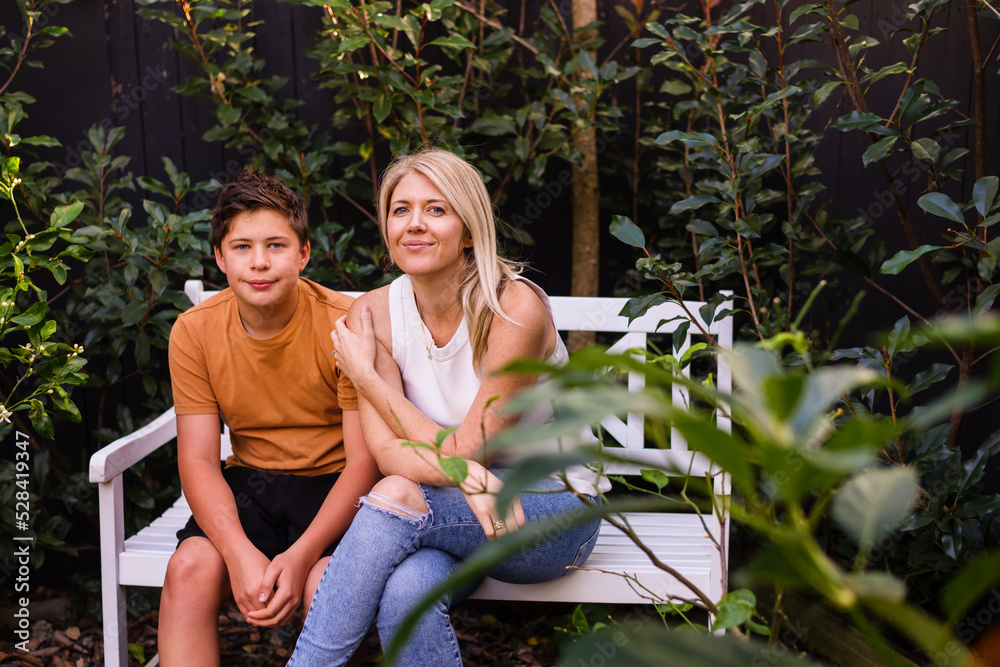
The term "mom-mom" transcends the conventional roles of grandmothers, embodying a deeply emotional and often transformative connection between a grandmother and her grandson. Unlike traditional mother-son dynamics, which are primarily biological, the bond between a mom-mom and her grandson is forged through shared experiences, emotional resilience, and an unspoken understanding that bridges generational gaps. This relationship often serves as a sanctuary—where wisdom meets vulnerability, discipline intertwines with compassion, and love becomes a language spoken without words. Societal shifts over the past century have redefined the roles of grandmothers, transforming them from passive figures into active mentors, caregivers, and confidantes. Their influence extends beyond mere familial ties, shaping the psychological and emotional landscapes of their grandsons in ways that defy conventional expectations.
Emotional and Psychological Significance of the Mom-Mom Role

The emotional depth of a mom-mom relationship stems from its ability to fulfill needs that even parents may struggle to address. Psychologically, grandmothers often act as "emotional regulators"—providing a stable, non-judgmental space where grandsons can explore identity, failure, and triumph without fear of criticism. Studies in developmental psychology, such as those published in The Gerontologist (2018), highlight that grandmothers who engage deeply with their grandsons contribute to higher self-esteem, reduced anxiety, and stronger coping mechanisms in young males. This bond is particularly vital in modern families, where dual-income households and digital distractions can create emotional distance between parents and children. Mom-moms fill this void by offering unconditional love, practical life skills, and a sense of belonging that transcends blood relations.
The psychological impact is further amplified by the "wisdom gap"—a phenomenon where grandmothers, having lived through multiple decades, possess a reservoir of life experiences that young parents may lack. This wisdom is not just theoretical; it is tactile and immediate, delivered through storytelling, shared struggles, and quiet observations. For example, a grandson grappling with academic pressure may find solace in his mom-mom’s tale of overcoming her own failures, while a teenager navigating peer pressure might draw strength from her stories of resilience in a bygone era. The relationship thus becomes a living archive of emotional intelligence, passed down through generations.
Evolution of Grandmother Roles: A Century of Societal Shifts
The societal role of grandmothers has undergone dramatic transformations, shaped by economic, cultural, and technological changes. Below is a timeline illustrating how caregiving, mentorship, and emotional support have evolved over the last 100 years, with a focus on Western and Asian cultural contexts.
| Era | Western Societies | Asian Societies | Key Societal Shifts |
|---|---|---|---|
| 1920s–1940s | Primary role: Domestic caregivers. Grandmothers managed households, taught traditional skills (sewing, cooking), and reinforced moral values. | Confucian-influenced roles: Grandmothers were central to family harmony, often mediating conflicts and preserving cultural traditions. | Industrial Revolution; women’s entry into the workforce limited; multigenerational households common. |
| 1950s–1970s | Shift to "auntie" or "grandfriend" roles. Grandmothers became babysitters and storytellers, with less emphasis on discipline. | Urbanization led to nuclear families; grandmothers in rural areas retained traditional authority, while urban grandmothers adopted Western parenting styles. | Post-WWII economic boom; rise of suburban nuclear families; decline in extended households. |
| 1980s–2000s | Emergence of the "cool grandma" phenomenon. Grandmothers embraced pop culture, technology, and modern parenting techniques. | Economic reforms in China/India led to grandmothers managing businesses or working alongside sons/daughters-in-law. | Feminist movements; dual-income families; rise of daycare and latchkey children. |
| 2010s–Present | Mom-moms as "emotional anchors." Grandmothers now co-parent, mentor in careers, and provide mental health support. | Grandmothers in Korea/Japan lead "grandparenting schools" to modernize caregiving techniques. | Digital revolution; mental health awareness; delayed marriages and childbirth; rise of "sandwich generation" grandmothers. |
This evolution reflects broader societal changes, such as the decline of multigenerational households and the rise of individualism, which have forced grandmothers to adapt their roles. Today, mom-moms are no longer passive figures but active participants in their grandsons’ lives, often filling gaps left by busy parents or absent fathers.
Real-Life Anecdotes: Mom-Moms as Architects of Resilience and Joy
The influence of mom-moms is best understood through personal stories that highlight their unique contributions. Below are three anecdotes illustrating how grandmothers shape their grandsons’ lives through resilience, humor, and timeless wisdom.
"The Kitchen Table Confessions" In a working-class neighborhood in Detroit, 82-year-old Martha Johnson became her grandson Jamal’s confidant after his father’s incarceration. Jamal, then 12, struggled with anger and low self-worth. Martha’s solution? Weekly "kitchen table talks"—where she served his favorite peanut butter cookies and listened without judgment. Over time, she taught him to channel his frustration into poetry, even publishing his first collection in her local church newsletter. "She didn’t just raise me," Jamal recalls. "She taught me how to be raised."
"The Rice Bowl Lesson" In a small village in Vietnam, Bà Lan was known for her sharp tongue and sharper wit. When her grandson Huy failed his university entrance exams, she didn’t scold him. Instead, she made him wash the rice bowls for a week without speaking. On the seventh day, she handed him a bowl of rice and said, "Life is like this bowl—if you don’t fill it with effort, it stays empty." Huy later credited her for teaching him patience and perseverance, which he applied to his eventual success in engineering.
"The Midnight Dance Partner" Rosie Martinez, a retired schoolteacher from Miami, battled Parkinson’s but refused to let it dim her spirit. Her grandson Carlos, a shy teenager, found solace in their late-night salsa sessions. Rosie, though her hands trembled, would say, "Mijo, music is the language of the soul—let it move you." These dances became Carlos’s therapy, helping him overcome social anxiety. Today, he’s a music therapist, inspired by her unyielding joy.
These stories underscore how mom-moms meet their grandsons where they are—whether through humor, tough love, or quiet encouragement. Their methods are often culturally specific yet universally effective, proving that the essence of their bond lies in authenticity.
Unique Challenges Faced by Mom-Moms in Modern Families
While the mom-mom relationship is profoundly enriching, it is not without challenges. Societal expectations, generational gaps, and the blurred lines of authority create complexities that require careful navigation. Below are key challenges, illustrated through diverse cultural examples:
-
Balancing Parenting Roles Without Overstepping
In many Asian cultures, grandmothers traditionally held authoritative roles in disciplining grandchildren. However, modern parenting often emphasizes collaborative approaches. For instance, in South Korea, where "grandparenting schools" are popular, mom-moms must learn to align their disciplining methods with those of their children to avoid confusion. A 2021 study in Journal of Family Psychology found that 3
Mom-Mom Traditions: Rituals That Strengthen the Bond
The bond between a grandmother and grandson often thrives on shared rituals—small yet profound traditions that weave cultural heritage, love, and laughter into the fabric of their relationship. These customs transcend generations, acting as silent storytellers that preserve memories and create new ones. From the warmth of a kitchen filled with the scent of simmering spices to the quiet moments of crafting under golden afternoon light, these traditions are more than just activities; they are the emotional glue that connects past, present, and future. Whether passed down through centuries or adapted to modern life, these rituals become sacred spaces where love is expressed without words.Global Traditions Where Mom-Moms Hold Central Roles
Across cultures, grandmothers play pivotal roles in rituals that mark life’s milestones, daily routines, and seasonal cycles. These traditions often reflect societal values, spiritual beliefs, and the importance of intergenerational bonds. Below are some globally recognized practices where mom-moms are the heart of the celebration or routine:- Holiday Celebrations In Mexico, Día de los Muertos (Day of the Dead) traditions often involve grandmothers sharing stories of ancestors while preparing pan de muerto (bread of the dead) and ofrendas (altars). The act of baking together symbolizes honoring the dead while nurturing the living. Japan’s Obon festival features grandmothers lighting paper lanterns (tōrō nagashi) to guide ancestral spirits, a ritual that blends Shinto beliefs with familial remembrance. Elders also teach younger generations traditional dances like Bon Odori. In Ghana, the Adae festival includes grandmothers leading communal cooking of fufu (a staple dish) and waakye (rice and beans stew), reinforcing community ties and cultural pride.
- Coming-of-Age Rituals India’s Rite of Passage for girls (Sindur Danam) often involves grandmothers applying sindoor (vermilion) to the bride’s hair parting, a sacred act that blesses her marital journey. Similarly, in China, the Hundred Days Celebration for newborns includes grandmothers performing rituals to ward off evil spirits, such as tying red strings around the baby’s wrist. Among the Maori of New Zealand, grandmothers play a key role in Whakamaharatanga (funerals) by sharing waiata (songs) and karakia (prayers) to guide the deceased’s spirit, while also teaching younger generations the oral histories tied to these ceremonies.
- Daily Habits Morning Tea in the UK: Grandmothers often host "cuppa" sessions where they serve scones with clotted cream and jam, paired with heart-to-heart conversations. This ritual, rooted in Victorian-era hospitality, fosters emotional intimacy and patience. Bedtime Stories in the Middle East: In families across Morocco and Turkey, grandmothers recite One Thousand and One Nights tales or local folklore, using storytelling as a tool to instill moral lessons and cultural identity. Japan’s Oyasumi (goodnight) routine includes grandmothers singing lullabies (komoriuta) like "Hoshi no Koe" (The Sound of Stars), a tradition that dates back to feudal times and emphasizes the protective role of elders.
Culinary Traditions as Tangible Links to Heritage
Food is the universal language of love, and grandmothers often become the custodians of recipes that carry the flavors of history. These culinary traditions are not just about taste; they are sensory time capsules that evoke memories, teach resilience, and preserve cultural identity. The process of cooking with a mom-mom—from measuring ingredients to sharing stories over a simmering pot—becomes a ritual of trust and continuity.- Iconic Dishes and Their Stories Italy’s Nonna’s Ragu: A slow-cooked meat sauce passed down through generations, often simmered for hours while grandmothers share tales of wartime rationing or family migrations. The rich aroma of garlic, tomatoes, and herbs fills the kitchen, creating an atmosphere where history is served on a plate. Mexico’s Tamales: Grandmothers in Oaxaca prepare these steamed corn dough parcels during Las Posadas, wrapping them in hoja de maíz (corn husks) while teaching grandsons the art of folding and tying. Each batch is a labor of love, symbolizing unity and sacrifice. Jamaica’s Ackee and Saltfish: A breakfast staple tied to the island’s colonial past, grandmothers in Kingston prepare this dish with deep-fried salt cod and ackee fruit, often paired with stories of resilience during post-emancipation struggles. Germany’s Apfelkuchen: In the Black Forest, grandmothers bake this spiced apple cake, a tradition dating back to medieval times. The act of peeling apples and arranging them in a lattice crust becomes a meditative practice, passed from hands to hands.
- The Sensory Experience The sound of wooden spoons stirring a pot of chili con carne in a Texas grandmother’s kitchen, the smell of incense and turmeric during a Thai grandmother’s cooking of gaeng daeng (red curry), or the texture of freshly kneaded pizza dough in a Sicilian home—these elements transform cooking into a multi-sensory ritual. Grandmothers often describe food as "love in a bowl," emphasizing that the effort poured into preparation is as important as the final dish.
- Preserving Recipes Through Adaptations Many grandmothers now document recipes in digital cookbooks or YouTube tutorials, ensuring techniques like fermenting kimchi (Korea) or making injera (Ethiopia) survive in a modern world. Others blend old and new, such as using slow cookers for beef stew (Ireland) or air fryers for samosas (India), proving that tradition is not rigid but evolves with time.
Step-by-Step Guide: Building a Model Boat with Mom-Mom
Shared activities like crafting or building projects create lasting memories while fostering teamwork, patience, and creativity. Below is a structured guide for a model boat-building session between a mom-mom and grandson, inspired by traditions like Japanese wagashi (sweet) box crafting or Scandinavian drakkar (Viking ship) models. This activity can be adapted for any age group and cultural context.- Gather Materials and Tools Collect lightweight wood (balsa or pine), sandpaper, non-toxic wood glue, acrylic paints, brushes, a ruler, a pencil, and a small saw or craft knife. For a cultural twist, use materials tied to heritage—such as bamboo (for Asian-inspired designs) or recycled tin cans (for a sustainable, eco-friendly approach). Tip: Involve the grandson in choosing the boat’s design, whether it’s a traditional fishing boat (e.g., pirogue from West Africa) or a modern sailboat, to spark personal connection.
- Sketch the Design Together Draw a simple blueprint on paper, discussing the boat’s features (e.g., sails, oars, or decorative carvings). Grandmothers can share stories of real boats from their youth—like fishing vessels in Norway or junk boats in China—to inspire creativity. Example: For a Viking-inspired boat, research and print images of drakkars to study their long, narrow shapes and dragon-head prows.
- Cut and Sand the Wood Using the ruler and pencil, mark measurements on the wood. Grandmothers can demonstrate safe tool use, turning this step into a lesson on precision and patience. Sand the edges smoothly to avoid splinters, and discuss how Japanese woodworkers (takumi) spend years perfecting their craft.
- Assemble the Boat
Apply wood glue to the edges and press the pieces together, clamping them if possible. Let dry completely. This step teaches problem-solving—if the pieces don’t fit, they’ll troubleshoot together, just as grandmothers once did with quilt-making
Mom-Mom’s Role in Shaping a Son’s Identity and Values
The bond between a mom-mom and her grandson transcends generational gaps, often becoming the cornerstone of his cultural identity and moral foundation. Unlike transient influences, mom-moms provide a consistent, nurturing framework that instills values rooted in heritage, resilience, and emotional intelligence. Their role is particularly pivotal in immigrant families, where preserving language, traditions, and ancestral wisdom becomes an act of resistance against assimilation. Through storytelling, daily rituals, and unwavering support, mom-moms shape not just who a grandson is, but how he navigates the world—balancing the expectations of his heritage with the realities of modern life.Reinforcing Cultural Identity Through Language and Tradition
Mom-moms serve as living repositories of cultural memory, ensuring that language and traditions endure across generations. In immigrant households, the preservation of the ancestral tongue often begins with a mom-mom’s insistence on speaking it at home, even if the grandson’s parents are more fluent in the dominant language of their new country. This linguistic immersion extends beyond vocabulary—it shapes cognitive patterns, emotional expression, and a sense of belonging. For example, a Vietnamese mom-mom might insist her grandson recite folk poems (cầu dao) before bed, while a Mexican mom-mom could teach him to cook mole from scratch, embedding each step with stories of family history. These practices are not merely hobbies; they are acts of cultural continuity that ground a grandson in his roots, offering a counterbalance to the homogenizing forces of globalization. Research from the Journal of Cross-Cultural Psychology highlights that children raised with multilingual exposure develop stronger cognitive flexibility and empathy, traits that mom-moms inadvertently nurture through their interactions. Additionally, traditions like holiday celebrations, religious observances, or seasonal festivals become annual anchors, reinforcing collective identity. A grandson might grow up associating the scent of tamales with Christmas or the sound of dhol drums with Diwali, creating sensory ties to his heritage that no textbook could replicate.Case Study: Perseverance Forged in the Kitchen
"My mom-mom didn’t just teach me to cook—she taught me to fail and try again. When I was 12, she made me attempt her famous adobo recipe three times before I got it right. The first two attempts were salty, bitter, or just plain wrong. But she never said, ‘You’re bad at this.’ Instead, she’d say, ‘Mabuti, mahal ka sa akin’—‘It’s okay, you’re precious to me’—and then we’d fix it together. That lesson stuck with me when I dropped out of college. She didn’t lecture me about ‘wasting my potential.’ She just said, ‘Life is like sinigang—sometimes it’s sour, but you keep adding the right ingredients.’ Now, I run a small business selling Filipino street food, and every time I face a setback, I hear her voice: ‘Try again.’" — Javier M., 34, Filipino-American entrepreneur
Javier’s story illustrates how mom-moms often teach resilience through metaphorical storytelling, framing challenges as part of a larger, familiar narrative. Unlike fathers who might emphasize discipline through structured goals or mothers who offer emotional reassurance, mom-moms frequently use everyday analogies—cooking, gardening, or even cleaning—to impart life lessons. The kitchen, in particular, becomes a classroom where failure is not stigmatized but reframed as a step in mastery.Comparative Influence: Mom-Moms vs. Fathers and Mothers in Moral Development
While fathers and mothers contribute uniquely to a son’s upbringing, mom-moms often occupy a distinct space in shaping his moral compass. Fathers tend to instill discipline through direct, rule-based guidance, while mothers frequently nurture emotional intelligence through empathy and active listening. Mom-moms, however, blend these approaches with a third layer: intergenerational wisdom. Their influence is characterized by patience tempered with pragmatism, where advice is delivered through stories rather than lectures.
The table above underscores how mom-moms weave cultural legacy into moral development, making abstract values (e.g., kindness, perseverance) tangible through personal and ancestral examples. Their guidance is less about imposing a single path and more about expanding possibilities—showing a grandson that success can be measured in ways beyond societal metrics.Guidance Style Mom-Moms Fathers Mothers Approach to Conflict Mediates through storytelling (e.g., “Remember when your lolo faced hardship?”). Uses humor to diffuse tension. Sets clear boundaries; expects accountability (“Fix it now.”). Validates emotions first (“I understand you’re upset”). Then problem-solves. Teaching Independence Encourages through shared struggles (e.g., “Let me show you how to sew your own clothes—just like I did.”). Pushes limits with structured challenges (e.g., “You’ll mow the lawn alone this week.”). Guides with step-by-step support (e.g., “Here’s how I handled this; you can adapt it.”). Handling Failure Normalizes failure as part of growth (“Even your ninong failed his driver’s test three times.”). Focuses on effort. Demands resilience with high expectations (“Get back up.”). Offers comfort but pushes for reflection (“What did you learn?”). Inspiring Ambition Connects goals to heritage (e.g., “Your lola was a midwife—maybe you’ll carry that legacy.”). Links success to tangible outcomes (e.g., “A degree = stability.”). Encourages self-expression (e.g., “What makes you happy?”). Unconventional Paths Inspired by Mom-Mom Encouragement
Society often pressures sons to pursue “stable” careers—law, medicine, engineering—but mom-moms frequently challenge these norms by validating passionate, non-traditional aspirations. A grandson might hear his mom-mom say, “You don’t need to be a doctor to make a difference,” followed by stories of his great-aunt who was a weaver or his great-uncle who repaired clocks for the village. These narratives dismantle the myth that financial success requires conforming to a narrow definition of achievement. Consider the story of Eli R., 29, a ceramic artist of Korean descent, whose mom-mom recognized his talent at age 10 but faced skepticism from his parents about a “starving artist” future. Instead of dismissing his passion, she turned the garage into a studio, sourced affordable clay from her homeland, and connected him with local artisans. Today, Eli’s work is featured in galleries, but his mom-mom’s role was not just financial—it was emotional validation. She framed his art as a continuation of his family’s history of craftsmanship, tracing it back to his great-grandfather’s pottery in Korea. Similarly, Marcus T., 31, a former corporate lawyer turned carpenter, credits his mom-mom for teaching him that hands-on work carries dignity. She would say, “Your hands can build a house or a dream—there’s no hierarchy.” When he announced his career shift, she didn’t ask if it was “practical.” Instead, she handed him her late husband’s toolbox and said, “Now you carry his legacy.”Visual Flowchart: Mom-Mom’s Advice Across Life Stages
A descriptive flowchart (to be implemented as a `` with CSS styling) would illustrate how a mom-mom’s influence evolves with a grandson’s age, shaping his decisions at critical junctures. The structure would resemble this:Mom-Mom and Son: Navigating Life’s Milestones Together
The relationship between a mom-mom and her grandson is often described as a sanctuary of love and guidance, especially during life’s pivotal moments. Unlike fleeting support from peers or distant relatives, this bond thrives on shared history, emotional resilience, and the quiet strength of unconditional care. From the first day of college to the joyous chaos of parenthood, these milestones become chapters in a story where a mom-mom’s presence transforms challenges into opportunities for deeper connection. This journey is not just about witnessing life’s transitions but actively shaping them—through empathy, practical support, and the quiet reassurance that comes from a relationship built on decades of trust.Mapping Emotional Journeys Through Key Life Milestones
Life’s milestones for a grandson often coincide with periods of intense emotional growth, and a mom-mom’s role evolves to meet these changing needs. Whether it’s the nervous excitement of a first job, the bittersweet ache of graduation, or the overwhelming responsibility of parenthood, each stage offers a unique opportunity for bonding. Below is a table outlining key milestones, the emotional landscape they traverse, and how a mom-mom’s involvement can turn these moments into shared memories of strength and love.
The emotional journey during these milestones is rarely linear, but a mom-mom’s ability to meet her grandson where he is—whether in celebration or crisis—creates a foundation of resilience. Her presence is not just comforting; it’s a testament to the idea that love is not measured by bloodlines but by the depth of connection.Milestone Emotional Landscape Mom-Mom’s Role Shared Experience First Job Anxiety about independence, fear of failure, excitement about adulthood Offers practical advice on workplace dynamics, shares personal stories of early career struggles, and celebrates small wins Attending the first day of work, packing a care package with snacks and a handwritten note, or hosting a "job survival" dinner with her hard-earned tips College Graduation Relief mixed with uncertainty about the future, pride in achievement, nostalgia for youth Reminds him of his capabilities, shares her own journey of self-discovery post-graduation, and provides a listening ear for doubts Organizing a family reunion to celebrate, framing his cap and gown as a keepsake, or recreating their "traditional" graduation dinner from his childhood Wedding Overwhelm from planning, excitement for marriage, pressure to live up to expectations Assists with emotional support during stress, shares wisdom on marriage from her own experiences, and ensures he feels secure in his choices Helping him pick out a tie or suit, sharing stories of her wedding day, or quietly reassuring him during pre-ceremony jitters with a familiar hug Parenthood Exhaustion, joy, and fear of inadequacy as a new parent, nostalgia for his own childhood Offers practical help with childcare, shares parenting anecdotes (both triumphs and lessons), and validates his emotions without judgment Creating a "mom-mom and baby" ritual like weekly storytime or teaching him how to change a diaper with her signature humor Career Setbacks or Job Loss Frustration, shame, or self-doubt, coupled with financial stress Provides a non-judgmental space to vent, connects him with her network for opportunities, and reminds him of his worth beyond his job title Hosting a low-key dinner to discuss next steps without pressure, sharing her own story of bouncing back, or simply sitting with him in silence while he processes Practical Tips for Supporting Grandsons During Life Transitions
Transitions like moving away for college, starting a family, or navigating a career shift can feel isolating, but a mom-mom’s support can make all the difference. Practical gestures, combined with emotional attunement, help grandsons feel secure as they step into new chapters. Below are actionable ways to provide meaningful support during these pivotal moments. Transitions often require a balance of active listening and small, consistent gestures. Active listening involves more than hearing—it’s about validating emotions, asking open-ended questions, and sometimes simply sitting in silence with them. Small gestures, on the other hand, reinforce the message that they are never alone. These can range from sending a care package before their first day of college to leaving a voice note with a favorite memory when they’re stressed about a job interview.- Moving Away for College or Work:
- Create a "home away from home" kit with familiar snacks, a photo album of family memories, and a handwritten letter detailing your pride in their journey.
- Schedule regular check-ins (not just calls—consider video chats over shared meals or walks in a park) to maintain a sense of normalcy.
- Teach them to cook one of your signature dishes so they can recreate comfort food independently.
- Send surprise packages with items like their favorite tea, a book you think they’d love, or a small trinket from a shared trip.
- Starting a Family:
- Offer tangible help like babysitting, meal prepping, or organizing baby essentials without hovering. Let them know you’re there for the "big" and "small" tasks.
- Share your own parenting "hacks"—whether it’s soothing a fussy baby with a lullaby or navigating sleep deprivation with dark humor.
- Document their milestones (e.g., first steps, first words) in a shared album or journal, creating a legacy they can pass down.
- Respect their boundaries—some new parents need space to figure things out, while others crave reassurance. Follow their lead.
- Career Transitions or Crises:
- Connect them with your network discreetly—mention opportunities or introduce them to contacts who’ve been in similar situations.
- Help them reframe their narrative by sharing stories of your own career pivots and the lessons you learned.
- Encourage self-care routines like weekly walks, journaling, or hobbies that bring them joy, even during stressful periods.
- Celebrate small wins—promote a new project, a resume update, or even a day they felt productive. Acknowledge their effort, not just outcomes. The key is to meet them where they are emotionally while gently nudging them forward. A mom-mom’s support is not about fixing problems but about reminding her grandson that he is capable, loved, and never truly alone—even when life feels overwhelming.
- Frugal Living Through Repurposing
- Tip: Use old jars for storing leftovers, dried goods, or even as makeshift candle holders. Glass bottles can be transformed into vases, organizers, or DIY cleaning spray bottles.
- Origin: During World War II and the Great Depression, families reused materials to conserve resources. This practice later evolved into modern zero-waste movements.
- Modern Use: Aligns with sustainability efforts, reducing plastic waste and encouraging mindful consumption.
- Natural Home Remedies for Common Ailments
- Tip: Honey and warm water soothe sore throats; turmeric mixed with warm milk fights inflammation; and aloe vera gel heals minor burns.
- Origin: Indigenous and traditional medicine systems, such as Ayurveda and Chinese herbalism, have long utilized these remedies. Mom-moms often learned these from their own mothers or cultural practices.
- Modern Use: Supported by studies on the antimicrobial properties of honey and anti-inflammatory benefits of turmeric, these remedies remain relevant in holistic health practices.
- Time-Management Through Routine
- Tip: Prepare meals in bulk (e.g., soups, stews) and freeze portions; lay out clothes the night before; and use a "one-in, one-out" rule for closets to maintain order.
- Origin: Stemming from agricultural societies where efficiency was key, these habits were later adopted in urban settings to balance work and family life.
- Modern Use: Echoes productivity principles like batch cooking and minimalism, reducing daily stress.
- DIY Household Repairs
- Tip: Fix a leaky faucet by replacing the washer; unclog drains with a mixture of baking soda and vinegar; and patch holes in walls using spackle.
- Origin: Born out of necessity in rural areas where professional help was inaccessible, these skills were passed down as essential survival tools.
- Modern Use: Encourages self-sufficiency and reduces reliance on costly services.
- Emotional Resilience Through Adaptability
- Tip: When plans fail, pivot quickly—e.g., if a cake burns, turn it into bread pudding. Accept imperfections as part of the process.
- Origin: Rooted in the philosophy of making do with what you have, often seen in immigrant communities or during economic hardships.
- Modern Use: Reflects modern resilience training and the growth mindset, emphasizing flexibility in adversity.
- Gather Supplies: Needle, thread (matching the fabric), scissors, and a spare button.
- Thread the Needle: Double the thread for strength, leaving a 6-inch tail. Use a waxed thread if sewing through thick fabric.
- Knot the Thread: Tie a secure knot at the end of the thread, leaving a small loop.
- Mark the Button Placement: Align the button with the holes on the fabric, ensuring symmetry.
- Sew Through the Fabric: Push the needle up through the fabric from the back, then down through the first hole of the button. Pull gently to secure.
- Complete the Stitches: Repeat the process, moving to the next hole, until all holes are stitched. Tie off the thread securely on the back.
- Trim Excess Thread: Use scissors to snip any loose ends.
- Turn Off the Water Supply: Locate the shutoff valve under the sink and turn it clockwise to stop the water flow.
- Place a Bucket or Towel: Position it beneath the faucet to catch any remaining water.
- Disassemble the Faucet: Use pliers or an Allen wrench to remove the handle screw. Lift off the handle and expose the stem.
- Inspect the Washer or O-Ring: The leak is often caused by a worn-out washer or O-ring. Replace it with a new one from a hardware store.
- Check the Valve Seat: If the washer replacement doesn’t work, the valve seat may be corroded. Use a valve seat wrench to grind it smooth or replace it.
- Reassemble the Faucet: Place the new washer or O-ring back in position, reattach the stem, and screw the handle back on.
- Test the Repair: Turn the water supply back on and check for leaks. Tighten any loose parts if necessary.
- Empty the Pantry Completely: Remove all items and discard expired or stale goods.
- Group Like Items Together: Categorize by type—canned goods, grains, spices, snacks—using bins or shelves.
- Use the FIFO Method: Place newer items behind older ones so "first in, first out" is followed, preventing spoilage.
- Label and Date Everything: Write the purchase date on non-perishable items to track freshness.
- Optimize Vertical Space: Use stackable containers, hooks for bags, or tiered shelves to maximize storage.
- Keep Essentials Accessible: Store frequently used items at eye level for easy access.
- Conduct Regular Audits: Monthly, check for forgotten items, pests, or expired goods.
- Use specific memories (e.g., a recipe, a song, a life lesson) to make the letter vivid.
- Include sensory details (smells, sounds, textures) to evoke nostalgia.
- Handwrite the letter if possible, or use calligraphy for a polished touch.
- Frame the letter or store it in a memory box with small mementos (e.g., a recipe card, a photo).
- Acid-free scrapbook album or blank pages
- Printed photos (digital or Polaroid)
- Decorative paper, stickers, or washi tape
- Glue sticks or double-sided tape
- Scissors, hole punch, and ribbon (for embellishments)
- Journaling prompts (e.g., "What’s your favorite memory with Grandma?")
- Blank recipe book or binder with dividers
- Printed or handwritten recipes (focus on mom-mom’s special dishes)
- Decorative elements (e.g., pressed flowers, fabric bookmarks)
- Food photography (optional: use a smartphone with good lighting)
- Smartphone or camera with video capability
- Tripod or stable surface (e.g., a stack of books)
- Lighting (natural light or a ring light)
- Notepad for questions
- External storage or cloud backup (e.g., Google Drive, USB drive)
- "What’s a lesson you learned from your own mom that you passed to me?"
- "Describe a time you felt proud of me."
- "What’s a tradition you hope we continue?" 2. Film in Short Segments: Keep sessions under 30 minutes to avoid fatigue. Use a quiet, comfortable setting. 3. Edit Together: Use free software (e.g., iMovie, CapCut) to trim pauses or add captions. 4. Create a Viewing Party: Screen the video during a family gathering and discuss favorite moments. 5. Share Digitally: Upload to a private family album or burn a DVD for wider sharing.
- Playlists of hits from the chosen decade (e.g., Elvis, Madonna, or boy bands).
- Vintage posters or framed photos from that era.
- Tablecloths or napkins with retro patterns.
- "Grandma’s Comfort Food": Serve dishes popular in her youth (e.g., meatloaf, Jell-O molds, or homemade ice cream).
- "Kid-Friendly Throwback": Offer modern twists (e.g., smoothie bowls instead of milkshakes). Activities:
- Dance Party: Teach mom-mom a viral dance or learn an old-school move from her.
- Trivia Game: Quiz each other on pop culture from the decade.
- DIY Photo Booth: Use props like oversized sunglasses or fake mustaches. 2. Storytelling Sundays Dedicate an evening to sharing stories, myths, or personal anecdotes. This theme works year-round but is especially meaningful during holidays.
- Cozy setup with blankets, pillows, and fairy lights.
- A "storytelling jar" filled with prompts (e.g., "Tell a story about a time you were brave.").
- A chalkboard or whiteboard to jot down favorite lines.
- "Snack Attack": Finger foods like charcuterie boards or popcorn for easy sharing.
- "Sweet Endings": Warm drinks (e.g., hot chocolate, herbal tea) and cookies. Activities:
- Take Turns: Mom-mom starts a story, and the grandson adds to it.
- Record Stories: Use a voice recorder or video camera to preserve the tales.
- Act Them Out: Turn a story into a skit or puppet
How Mom-Moms Handle Crises Differently: Empathy vs. Problem-Solving
Crisis situations—whether a breakup, job loss, or health scare—reveal the unique ways a mom-mom supports her grandson compared to other family members. While aunts or parents might default to problem-solving ("You should apply here!" or "Let’s make a plan"), a mom-mom often leans into empathy-driven support, creating a safe space for emotions before addressing logistics. The table below contrasts these approaches, highlighting why a mom-mom’s method fosters deeper healing.| Crisis Scenario | Typical Family Response (Problem-Solving Focus) | Mom-Mom’s Approach (Empathy-Driven) | Why It Works |
|---|---|---|---|
| Breakup or Divorce | Offers immediate advice on dating apps, suggests friends who are single, or jokes about "getting back out there" | Listens without judgment, shares her own heartbreak stories (if comfortable), and validates their grief with phrases like "It’s okay to miss them" | Creates emotional safety to process feelings before rushing into solutions. Avoids minimizing their pain with quick fixes. |
| Job Loss or Career Setback | Pushes them to update their
Mom-Mom Wisdom: Lessons and Life Hacks from a Grandmother’s PlaybookThe kitchen of a mom-mom is not just a place for cooking—it’s a classroom where life’s most practical lessons are taught. From the art of stretching a dollar to the science of soothing a fever with natural remedies, these women pass down wisdom that bridges generations. Their knowledge, honed by decades of experience, offers timeless solutions to everyday challenges, blending frugality, resilience, and emotional intelligence into a playbook that modern sons can still rely on today. These lessons, often shared through storytelling or hands-on demonstrations, serve as a foundation for navigating life’s complexities with both practicality and heart.Timeless Life Hacks Rooted in TraditionMom-moms possess an encyclopedia of life hacks that address everything from household maintenance to personal well-being. Many of these solutions originate from eras when resources were scarce, and ingenuity was a necessity. Below are some universally shared tips, along with their historical contexts and modern applications:Step-by-Step Guides to Mom-Mom-Approved SkillsMom-moms teach by doing, guiding sons through hands-on lessons that build confidence and competence. Below are three foundational skills, each paired with a story of resilience that underscores their value. Sewing a Button: A Lesson in Patience and Precision Many mom-moms recall teaching their sons to sew a button as a rite of passage, symbolizing the ability to handle small frustrations with care. The process requires patience, steady hands, and attention to detail—qualities that translate to other areas of life.Proverbs, Sayings, and Idioms: Cultural Wisdom in Everyday LanguageMom-moms weave proverbs and sayings into daily conversations, using them to impart moral lessons,Honoring the Mom-Mom and Son Bond: Creative Ways to CelebrateCelebrating the unique bond between a mom-mom and her grandson transcends ordinary gestures—it requires intentionality, creativity, and a deep appreciation for the shared history they’ve built. This relationship, often rooted in love, wisdom, and unspoken understanding, deserves moments that reflect its depth. From heartfelt letters to digital tributes, DIY projects to community initiatives, these creative celebrations transform ordinary days into cherished memories. By infusing thoughtfulness into traditions, both generations can honor their connection in ways that feel personal, meaningful, and enduring. The essence of celebrating this bond lies in its ability to bridge generations, turning fleeting moments into lasting legacies. Whether through storytelling, shared hobbies, or collaborative projects, these ideas provide a framework for making the relationship feel celebrated in every season of life.Heartfelt Letters: A Written Legacy of GratitudeA handwritten letter from a grandson to his mom-mom is more than words on paper—it’s a tangible keepsake that captures emotions, memories, and gratitude in a way digital messages often cannot. Below is a template for a heartfelt letter, designed to guide a grandson through reflections on their relationship. The prompts encourage specificity, ensuring the letter becomes a deeply personal artifact."Dear Mom-Mom, Today, I wanted to take a moment to write down the things you’ve given me that no one else could—your time, your wisdom, and the love that feels like a second home. I remember the first time you [insert memory prompt: taught me to bake your famous cookies, read me bedtime stories, or showed me how to tie my shoes]. That moment stuck with me because [explain why it mattered: it was the first time I felt capable, or it made me laugh until my sides hurt]. I’m grateful for how you’ve shaped me, especially when you [insert value prompt: taught me patience during long drives, showed me the beauty in small things, or stood by me when I failed]. Your way of [insert trait prompt: seeing the world, handling challenges, or showing kindness] has stayed with me, even now. I want you to know that [express a wish or hope: your lessons are my compass, or your love is my strength]. This letter is just the beginning—I’ll always find ways to honor the bond we share. With all my love, [Your Name]"Tips for Writing the Letter: DIY Projects: Crafting Memories TogetherHands-on projects create shared experiences that strengthen the mom-mom and grandson bond while producing keepsakes to treasure. Below are three DIY ideas, complete with material lists and step-by-step instructions to ensure success. 1. Scrapbooking Their Story A scrapbook transforms loose photos and trinkets into a cohesive narrative of their relationship. This project is ideal for mom-moms who enjoy nostalgia and grandsons who appreciate creativity.Materials Needed:Steps: 1. Gather Materials: Collect photos, ticket stubs, handwritten notes, or small objects (e.g., a seashell from a beach trip). 2. Organize by Theme: Group items by decade, event (e.g., holidays, vacations), or emotion (e.g., laughter, challenges). 3. Design Pages Together: Let the grandson choose layouts—collages, timelines, or single-focus pages. 4. Add Personal Touches: Include captions, quotes, or doodles. For example, a page on "Mom-Mom’s Wisdom" could feature handwritten advice alongside a photo of them teaching a skill. 5. Preserve the Book: Store it in a cool, dry place or digitize pages for backup. 2. Family Recipe Book A recipe book is a culinary time capsule, blending tradition with creativity. It’s perfect for mom-moms who love cooking and grandsons who enjoy cooking (or eating the results). Materials Needed:Steps: 1. Interview Mom-Mom: Ask about the history behind each recipe (e.g., "Why did you make this dish for holidays?"). 2. Test Recipes: Cook a few together, adjusting measurements or techniques as needed. 3. Design Pages: Include photos, handwritten notes, or drawings. Add sections like "Kid-Friendly Adaptations" or "Mom-Mom’s Shortcuts." 4. Bind the Book: Use a spiral binder or sew pages together for a rustic look. 5. Host a Recipe Night: Celebrate the book’s completion by cooking one of the dishes together. 3. Oral History Video Preserving mom-mom’s stories through video ensures her voice and experiences live on. This project is ideal for tech-savvy grandsons who enjoy filming or editing. Materials Needed:Steps: 1. Plan Questions: Focus on open-ended prompts like: Themed Gatherings: Turning Ordinary Days into CelebrationsThemed gatherings transform routine visits into special occasions, giving both mom-mom and grandson something to look forward to. Below are four themes, complete with decor, menu, and activity ideas to inspire. 1. Throwback Thursdays Recreate a decade from mom-mom’s youth (e.g., the 1960s, 1980s) to celebrate her era while making it fun for the grandson.Decor:Menu: Decor:Menu: The relationship between a mom-mom and her grandson is more than a chapter in the family story—it is the foundation upon which resilience, tradition, and love are built. From the kitchen where recipes become legacies to the quiet moments where life lessons are whispered, this bond redefines caregiving, turning everyday rituals into sacred traditions. As sons grow into men, the echoes of their mom-mom’s wisdom—her patience, her humor, her unyielding support—remain the compass guiding their choices. In celebrating these connections, we honor not just the past, but the timeless power of love that transcends generations. |
Leave a Comment
Comments are moderated before appearing. The data you submit is processed according to the Privacy Policy of Vetlife Archive.