Pennyrile Forest State Resort Park Kentucky Hidden Wilderness Awaits
Table of Contents
- Pennyrile Forest State Resort Park: An Overview of Kentucky’s Hidden Gem
- Geographical Significance and Accessibility
- Historical Timeline and Evolution
- Comparison with Nearby State Parks
- Exploring the Natural Wonders: Trails, Wildlife, and Scenic Landscapes of Pennyrile Forest State Resort Park
- Hiking Trails: A Network of Paths Through Time and Terrain
- Diverse Ecosystems: The Backbone of Pennyrile’s Biodiversity
- Recreation and Adventure: Activities for All Ages and Skill Levels at Pennyrile Forest State Resort Park
- Water-Based Activities: Fishing, Kayaking, and Swimming in Pennyrile’s Aquatic Havens
- Camping at Pennyrile Forest: A Step-by-Step Guide to Immersive Outdoor Living
- Adventure Activities by Visitor Type: A Tailored Guide to Pennyrile’s Offerings
- Accommodations and Dining: Where to Stay and Eat Near Pennyrile Forest State Resort Park
- Lodging Options Within and Near Pennyrile Forest State Resort Park
- Dining Options: On-Site Facilities and Nearby Restaurants
- Seasonal Highlights and Events: When to Visit Pennyrile Forest State Resort Park
- Monthly Calendar of Seasonal Activities and Events
- Major Annual Events and Competitive Tournaments
Nestled along Kentucky’s western edge where the Ohio and Tennessee Rivers converge, Pennyrile Forest State Resort Park emerges as a serene escape from urban chaos. Spanning over 16,000 acres of untamed forests, rolling hills, and tranquil waters, this hidden gem offers a sanctuary for families, anglers, and nature seekers alike. Established in 1939 as part of President Franklin D. Roosevelt’s New Deal initiatives, the park has evolved into a modern-day retreat, blending conservation with recreation while preserving its rugged charm. Its strategic location—just 15 miles from Paducah and 90 minutes from Nashville—makes it an accessible haven for those craving wilderness without long treks.
The park’s diverse landscapes, from dense hardwood forests to sprawling wetlands, host an array of wildlife, including bald eagles, river otters, and migratory songbirds, creating a dynamic ecosystem that shifts with the seasons. Whether it’s the golden hues of autumn foliage, the crisp air of winter birdwatching, or the vibrant blooms of spring wildflowers, Pennyrile Forest transforms with each passing month. Beyond its natural allure, the park’s amenities cater to every visitor, from well-maintained hiking trails and fishing hotspots to family-friendly cabins and guided eco-tours. Here, adventure and tranquility coexist, inviting exploration without compromising the untouched beauty of Kentucky’s wild heart.
Pennyrile Forest State Resort Park: An Overview of Kentucky’s Hidden Gem

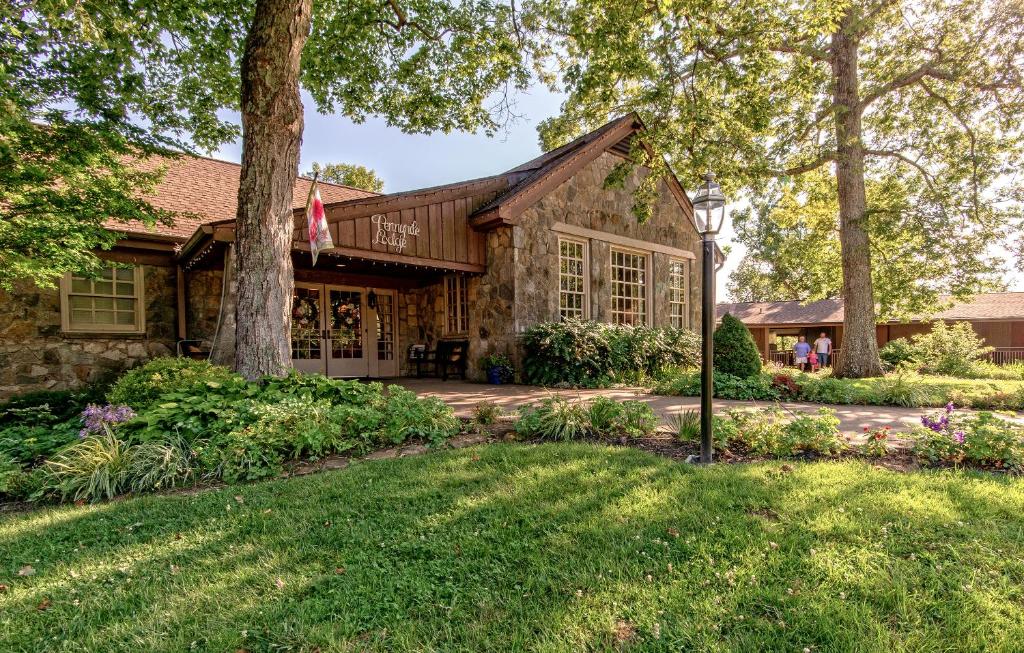
Nestled along the banks of the Tennessee River in western Kentucky, Pennyrile Forest State Resort Park stands as a serene retreat where lush forests, winding waterways, and rolling hills converge to create a haven for outdoor enthusiasts. Spanning over 15,000 acres, this park is strategically positioned between major urban centers like Paducah (70 miles to the east) and Nashville (120 miles to the west), making it an accessible yet underrated destination for families, hikers, and nature lovers. Unlike more commercialized state parks, Pennyrile Forest blends wilderness preservation with modern recreational amenities, offering a balanced experience for visitors seeking both adventure and tranquility. Its evolution from a modest forest tract to a fully developed resort park reflects Kentucky’s commitment to conservation, education, and sustainable tourism, positioning it as a standout asset within the state’s 127-unit park system.
Established in 1937 as part of the Civilian Conservation Corps (CCC) initiatives, Pennyrile Forest initially served as a forest management area before transitioning into a public recreation site in the 1960s. Key milestones in its development include the construction of the Tennessee River boat ramp in 1972, the expansion of camping facilities in the 1980s, and the designation as a state resort park in 2001, which introduced lodging options like the Pennyrile Forest Lodge. Today, the park is managed by the Kentucky Department of Fish and Wildlife Resources (KDFWR), which oversees its natural resource conservation, visitor services, and infrastructure development. This partnership ensures that Pennyrile Forest remains a self-sustaining ecosystem while accommodating over 500,000 annual visitors with activities ranging from fishing and kayaking to wildlife observation and educational programs.

The park’s diverse demographics of visitors—including families, anglers, birdwatchers, and outdoor educators—highlight its multifaceted appeal. Unlike larger parks that may prioritize mass tourism, Pennyrile Forest caters to intimate, immersive experiences, such as its 100+ miles of hiking and equestrian trails, 1,200-acre lake system, and wildlife management areas teeming with deer, turkey, and migratory birds. Its conservation efforts extend beyond recreation, with initiatives like invasive species control, reforestation projects, and partnerships with organizations like The Nature Conservancy ensuring long-term ecological health. By integrating sustainable tourism practices, such as low-impact camping guidelines and energy-efficient lodges, the park sets a benchmark for how state-run facilities can harmonize visitor enjoyment with environmental stewardship.
Geographical Significance and Accessibility
Pennyrile Forest’s location in McCracken County, Kentucky, along the Tennessee River, plays a pivotal role in its accessibility and ecological importance. The park’s proximity to Interstate 24 and U.S. Highway 60 facilitates easy access from major cities, while its riverside setting enhances its appeal for water-based activities. Geographically, the park lies within the Mississippian Plateau region, characterized by limestone ridges, fertile valleys, and diverse flora, including rare species like the Kentucky coffee tree and wild azalea. This positioning also makes it a critical migratory corridor for birds and mammals, contributing to its designation as a Important Bird Area (IBA) by the National Audubon Society.
The park’s strategic location between Paducah and Nashville further amplifies its role as a regional outdoor hub. While Paducah offers cultural attractions like the National Quilt Museum, Pennyrile Forest provides an immediate escape into nature, with driving times of under 90 minutes from Nashville. This accessibility, combined with its moderate elevation (ranging from 300 to 600 feet), ensures year-round usability, from spring wildflower hikes to fall foliage drives and winter birdwatching. The park’s Tennessee River frontage also connects it to broader waterway networks, supporting activities like kayaking, canoeing, and electric fishing tournaments, which draw competitive anglers from across the Southeast.
Historical Timeline and Evolution
The transformation of Pennyrile Forest from a forested wilderness to a premier state resort park is marked by several defining phases, each reflecting broader trends in conservation, recreation, and economic development in Kentucky. Below is a chronological overview of its key milestones:
| Year | Milestone | Significance | Impact on Visitors |
|---|---|---|---|
| 1937 | Establishment as a CCC Project | Original focus on soil conservation and reforestation under the New Deal programs. | Laying groundwork for future recreational infrastructure. |
| 1960s | Transition to Public Recreation Site | Conversion from forest management to hunting, fishing, and camping access. | Introduction of primitive camping and trail systems for early visitors. |
| 1972 | Construction of Tennessee River Boat Ramp | Facilitated water-based recreation, including boating and fishing. | Boosted popularity among anglers and families seeking river access. |
| 1980s | Expansion of Camping Facilities | Development of modern campgrounds with utilities, replacing primitive sites. | Attracted RVs and larger groups with improved amenities. |
| 2001 | Designation as State Resort Park | Introduction of lodging options, including the Pennyrile Forest Lodge. | Broadened appeal to non-camping visitors seeking comfort and convenience. |
| 2010s | Sustainability Initiatives and Trail Expansion | Implementation of LEED-certified practices and 100+ miles of new trails. | Enhanced eco-tourism and accessibility for hikers and equestrians. |
The park’s evolution also mirrors national trends in state park management, shifting from exploitative land use in the early 20th century to conservation-focused recreation by the 21st century. Today, Pennyrile Forest operates under a public-private partnership model, where the KDFWR collaborates with concessionaires to maintain facilities while ensuring revenue reinvestment into conservation. This model has allowed the park to modernize without compromising its natural integrity, as seen in projects like the solar-powered visitor center and native plant landscaping.
Comparison with Nearby State Parks
While Kentucky boasts several renowned state parks, Pennyrile Forest distinguishes itself through its unique blend of waterfront access, wildlife diversity, and family-friendly amenities. Below is a comparative analysis with two neighboring parks: Mammoth Cave National Park (primarily a cave system) and Land Between the Lakes National Recreation Area (a joint federal-state park).
| Feature | Pennyrile Forest | Mammoth Cave National Park | Land Between the Lakes | ||||||||||||||||||||||||||||||||||||||||||||||||||||||||||||||||||||||||||||||||||||||||||||||||||
|---|---|---|---|---|---|---|---|---|---|---|---|---|---|---|---|---|---|---|---|---|---|---|---|---|---|---|---|---|---|---|---|---|---|---|---|---|---|---|---|---|---|---|---|---|---|---|---|---|---|---|---|---|---|---|---|---|---|---|---|---|---|---|---|---|---|---|---|---|---|---|---|---|---|---|---|---|---|---|---|---|---|---|---|---|---|---|---|---|---|---|---|---|---|---|---|---|---|---|---|---|---|
| Year Established | 1937 (as a forest project); 2001 (as resort park) | 1941 (as a national park) | 1961 (joint federal-state management) | ||||||||||||||||||||||||||||||||||||||||||||||||||||||||||||||||||||||||||||||||||||||||||||||||||
| Total Area (acres) | 15,000 | 54,000 (with 400+ caves) | 170,000 (largest human-made lake in Tennessee) | ||||||||||||||||||||||||||||||||||||||||||||||||||||||||||||||||||||||||||||||||||||||||||||||||||
| Primary Attractions |
Exploring the Natural Wonders: Trails, Wildlife, and Scenic Landscapes of Pennyrile Forest State Resort ParkPennyrile Forest State Resort Park unfolds as a living tapestry of Kentucky’s untamed wilderness, where ancient hardwood forests, meandering rivers, and diverse ecosystems converge to create a sanctuary for outdoor enthusiasts. The park’s 10,000 acres offer a labyrinth of trails, each revealing unique geological features, seasonal transformations, and encounters with native wildlife. From the tranquil shores of Pennyrile Lake to the rugged cliffs of the Ohio River, every corner of this hidden gem holds a story waiting to be discovered. Whether seeking solitude on a secluded path or marveling at the symphony of migratory birds, the park’s natural wonders cater to all who venture into its embrace. The park’s trails serve as gateways to its ecological richness, designed to accommodate hikers of varying skill levels while preserving the integrity of its fragile habitats. Seasonal shifts paint the landscape in vibrant hues, turning each visit into a distinct experience—whether it’s the fiery foliage of autumn, the delicate blooms of spring, or the serene stillness of winter. Safety and preparedness remain paramount, as the park’s diverse terrain and wildlife interactions demand respect and awareness. Below, an immersive exploration of the trails, ecosystems, and hidden treasures that define Pennyrile’s natural allure.Hiking Trails: A Network of Paths Through Time and TerrainPennyrile Forest’s trail system is meticulously crafted to showcase the park’s geological and botanical diversity, ranging from gentle lakeside strolls to challenging river bluff ascents. Each trail offers a distinct narrative, whether it’s the historical echoes of Cave-in-Rock or the untouched solitude of Lost River Trail. The park’s trails are categorized by difficulty—easy (suitable for families and beginners), moderate (requiring basic fitness and navigation skills), and strenuous (for experienced hikers tackling steep inclines and uneven terrain). Seasonal variations further enhance the experience, with spring bringing wildflower meadows, summer offering lush greenery, autumn dazzling with golden foliage, and winter revealing the park’s skeletal beauty and winter bird migrations. Safety on the trails hinges on preparation and awareness. Hikers should acquaint themselves with the park’s terrain challenges, such as rocky outcrops, uneven riverbeds, and dense underbrush, particularly on trails like Sandbar Trail, which winds through flood-prone areas. Wildlife encounters are common; white-tailed deer, foxes, and even black bears (though rare) inhabit the park, and visitors are advised to maintain a respectful distance. The Ohio River’s swift currents and erosion-prone banks near Cave-in-Rock demand caution, especially during high water seasons. Weather preparedness is critical—Kentucky’s unpredictable shifts from sun to storm necessitate layers, hydration, and weather updates, particularly in spring and fall when thunderstorms are frequent.
The park’s trails are not merely paths but ecological corridors, connecting hardwood forests, wetlands, and riverine habitats. Below, a curated selection of top trails, each offering a slice of Pennyrile’s natural splendor.
Diverse Ecosystems: The Backbone of Pennyrile’s BiodiversityPennyrile Forest State Resort Park is a mosaic of ecosystems, each playing a critical role in maintaining the region’s ecological balance. The park’s hardwood forests, dominated by oak, hickory, and tulip poplar, form the backbone of its terrestrial habitats, providing shelter and sustenance for countless species. These forests act as carbon sinks, mitigating climate change while supporting keystone species like white-tailed deer and eastern box turtles. Beneath the canopy, a rich understory of ferns, wild ginger, and spring ephemerals like bloodroot and trillium thrives, adapting to the forest floor’s fluctuating light and moisture levels. Wetlands, including vernal pools and riverine swamps, are vital nurseries for amphibians and aquatic insects. These areas filter pollutants from runoff, replenish groundwater, and serve as critical stopovers for migratory birds. Pennyrile’s wetlands are particularly rich in biodiversity, hosting species like the green frog, eastern newt, and prothonotary warbler, a state-endangered bird that nests in hollow trees near water. The park’s riparian zones along the Ohio and Tennessee Rivers further enhance this diversity, creating transition areas where terrestrial and aquatic ecosystems intersect. These zones stabilize riverbanks, prevent erosion, and provide habitat for river otters, muskrats, and bald eagles, which rely on the rivers for fishing. The Ohio River itself is a dynamic force within the park, shaping its geology and hydrology. The river’s meanders have carved dramatic cliffs and sandbars, such as those near Cave-in-Rock, while its seasonal floods renew floodplain forests and create new channels. These processes support flood-tolerant species like sycamore trees and wild rice, a staple for waterfowl. The river’s currents also influence the park’s temperature gradients, creating microclimates that allow for a broader range of plant and animal life.
|
Leave a Comment
Comments are moderated before appearing. The data you submit is processed according to the Privacy Policy of Vetlife Archive.